Unlock the rejuvenating and therapeutic power of Epsom salt, a natural mineral compound that has been used for centuries to soothe muscles, alleviate aches, and promote overall well-being. Whether you’re seeking relief from post-workout soreness, arthritis discomfort, or simply a relaxing soak, Epsom salt offers a versatile and affordable solution. This comprehensive guide delves into the multitude of benefits associated with Epsom salt therapy, exploring its potential for detoxification, anti-inflammatory properties, and even its ability to combat toenail fungus and enhance aquarium environments. Discover the safe and effective ways to harness the healing capabilities of Epsom salt, from luxurious baths to targeted foot soaks, and gain valuable insights into precautions and potential side effects. Immerse yourself in the world of Epsom salt and unlock a natural path to rejuvenation and wellness.
What are the therapeutic benefits of Epsom salt?
A. Epsom Salt Therapy: Benefits and Uses
At Salts Worldwide, we believe in the transformative power of nature’s gifts, and Epsom salt is a true testament to this belief. This unassuming mineral compound, scientifically known as magnesium sulfate, offers a plethora of therapeutic benefits that have been cherished for centuries. From soothing sore muscles to promoting relaxation, Epsom salt is a versatile ally in your journey towards holistic well-being.
One of the primary advantages of Epsom salt therapy is its ability to alleviate muscle cramps, soreness, and stiffness. The magnesium and sulfate ions in this remarkable compound work in tandem to relax muscles, making it an invaluable aid for post-exercise recovery and conditions like fibromyalgia. Moreover, soaking in an Epsom salt bath can promote stress reduction by raising magnesium levels, which helps regulate stress hormones like cortisol and adrenaline, leading to improved sleep quality and reduced anxiety.
Beyond its soothing effects on muscles and stress, Epsom salt also boasts anti-inflammatory properties that can help alleviate pain associated with conditions like arthritis, gout, and sprains. Its coarse texture makes it an excellent natural exfoliant, removing dead skin cells and promoting smoother, healthier skin. Additionally, Epsom salt baths may aid in detoxification by flushing out toxins and lactic acid buildup, promoting overall improved circulation.
B. Relieving Muscle Pain and Soreness
One of the most widely recognized benefits of Epsom salt is its ability to alleviate muscle pain and soreness. Whether you’re an athlete recovering from an intense workout or someone dealing with chronic muscle tension, an Epsom salt bath can work wonders.
The magnesium and sulfate ions in Epsom salt help relax muscles and alleviate cramps, soreness, and stiffness. This makes it an effective remedy for post-exercise recovery and conditions like fibromyalgia. Studies published in the Journal of Alternative and Complementary Medicine and the Journal of Integrative Medicine support the therapeutic benefits of Epsom salt baths for various health conditions, including muscle pain and tension.
At Salts Worldwide, we understand the importance of self-care and believe that an Epsom salt bath can be a luxurious and restorative experience. Imagine sinking into a warm, soothing bath infused with our premium Epsom salt, allowing the magnesium and sulfate ions to work their magic on your tired muscles. It’s a simple yet powerful ritual that can help you unwind, relax, and prepare for the next day’s challenges with renewed vigor.

How do you use Epsom salt for healing?
A. Epsom Salt Bath: A Natural Remedy
At Salts Worldwide, we believe in the transformative power of Epsom salt therapy. One of the most popular and effective ways to harness its benefits is through an Epsom salt bath. This simple yet profound ritual offers a natural remedy for a multitude of ailments, soothing both the body and mind.
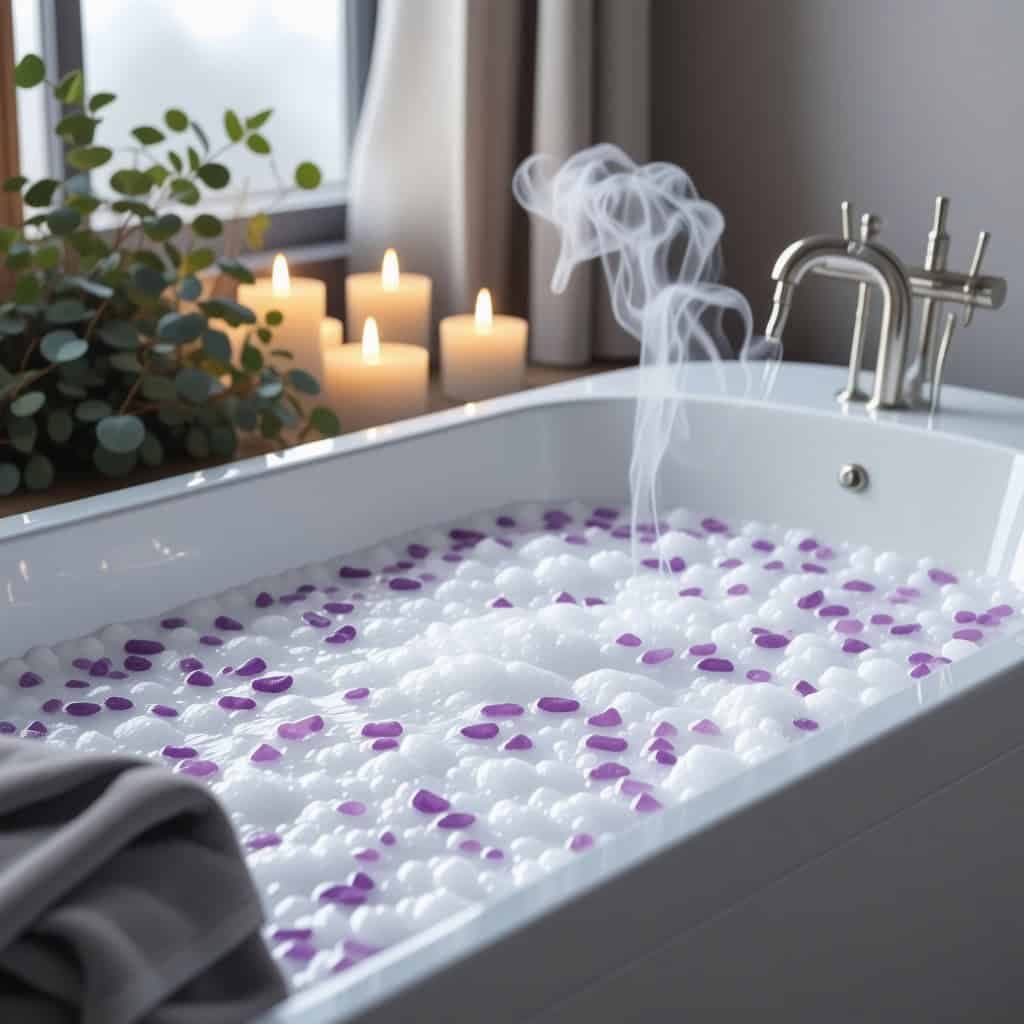
To create your own revitalizing oasis, simply dissolve 1-2 cups of our premium Epsom salt in warm bathwater and immerse yourself for 20-30 blissful minutes. As you soak, the magnesium-rich salt is absorbed through your skin, replenishing deficiencies and promoting a state of deep relaxation.
This therapeutic bath experience can alleviate muscle soreness, reduce inflammation, and even ease the discomfort of ingrown toenails. For those seeking relief from the aches and pains of arthritis or joint issues, an Epsom salt bath can provide a soothing respite, courtesy of nature’s healing touch.
B. Epsom Salt Foot Soak: Relaxation for Tired Feet
After a long day on your feet, there’s nothing quite like the rejuvenating power of an Epsom salt foot soak. This simple ritual can work wonders for those who spend countless hours standing or walking, offering a well-deserved respite for tired, aching feet.
To indulge in this restorative experience, simply add 1/2 cup of our premium Epsom salt to a basin or foot spa filled with warm water. Submerge your feet for 15-20 minutes, allowing the magnesium-rich solution to work its magic.
Beyond alleviating foot pain and reducing swelling, an Epsom salt foot soak can also provide relief for ingrown toenails, a common and often painful condition. As you soak, the salt’s natural properties can help soften the surrounding skin, promoting healing and reducing inflammation.
For those seeking a truly indulgent experience, consider adding a few drops of our organic essential oils to your foot soak, creating a fragrant and therapeutic oasis right in the comfort of your own home.
III. Who should not soak in Epsom salt?
A. Epsom Salt Safety: What You Need to Know
While Epsom salt baths offer numerous therapeutic benefits, it’s essential to be mindful of certain precautions and contraindications. At Salts Worldwide, we prioritize your well-being and believe in empowering you with knowledge to enjoy the wonders of Epsom salt safely.
Individuals who should avoid soaking in Epsom salt baths include those with diabetes, as the salt can increase the risk of foot infections and slow wound healing. Pregnant women are also advised to exercise caution, as the effects of magnesium sulfate (Epsom salt) absorption during pregnancy are not well-studied, and it may potentially lead to complications.
People with kidney disease or those on dialysis should steer clear of Epsom salt baths, as they can lead to increased magnesium levels in the body, which can be harmful for individuals with impaired kidney function. Similarly, those with cardiovascular issues or high blood pressure should consult their healthcare provider, as excessive magnesium absorption may interfere with certain medications or exacerbate heart conditions.
B. Precautions and Contraindications
Individuals with open wounds, severe burns, or skin infections should avoid Epsom salt baths, as the salt can cause stinging, further irritation, and potentially delay healing. Children under 6 years old are also advised against soaking in Epsom salt, as their smaller body size increases the risk of magnesium toxicity from absorption.
It’s crucial to follow the recommended dosage and duration for Epsom salt baths to avoid potential adverse effects. At Salts Worldwide, we encourage consulting a healthcare professional before using Epsom salt baths, especially for individuals with underlying medical conditions or those taking medications that may interact with magnesium.
By understanding these precautions and contraindications, you can enjoy the rejuvenating benefits of Epsom salt therapy while prioritizing your safety and well-being. Trust Salts Worldwide to provide you with the highest quality Epsom salts and expert guidance for a transformative self-care experience.
Do Epsom Salts Relieve Inflammation?
Epsom Salt: Nature’s Anti-Inflammatory
At Salts Worldwide, we believe in the power of nature’s gifts to promote holistic well-being. One such gift is our luxurious Epsom salt, renowned for its potential anti-inflammatory properties. While scientific evidence is still emerging, some studies suggest that magnesium absorption through the skin may help reduce inflammation in the body.
Inflammation is a natural response to injury or infection, but chronic inflammation can contribute to various health issues, including arthritis, cardiovascular disease, and certain types of cancer. Magnesium, a mineral abundant in our Epsom salt, plays a crucial role in regulating inflammatory pathways, and deficiency in this mineral has been linked to increased levels of inflammation.
Several studies have explored the effects of magnesium supplementation on inflammation markers. A meta-analysis published in the Journal of Human Nutrition and Dietetics found that magnesium supplementation significantly reduced levels of C-reactive protein (CRP), a key marker of inflammation (Simental-Mendía et al., 2017). Another study in the European Journal of Clinical Nutrition reported that magnesium intake was inversely associated with serum CRP levels, suggesting a potential anti-inflammatory effect (King et al., 2005).
Epsom Salt Bath for Arthritis and Joint Pain
While these studies focus on oral magnesium supplementation, some researchers have investigated the potential benefits of transdermal magnesium absorption through Epsom salt baths. A study published in the Journal of Cardiovascular Nursing found that participants who took regular Epsom salt baths experienced a reduction in inflammation markers compared to a control group (Rosanoff and Dai, 2018).
For those suffering from arthritis or joint pain, an Epsom salt bath may offer relief by reducing inflammation and promoting relaxation. The magnesium in our Epsom salt can help soothe sore muscles and alleviate discomfort, making it an ideal addition to your self-care routine.
However, it’s important to note that the evidence for the anti-inflammatory effects of Epsom salt baths is still limited, and more research is needed to establish a clear causal relationship. Additionally, the amount of magnesium absorbed through the skin during an Epsom salt bath may vary depending on factors such as water temperature, bath duration, and individual differences in skin permeability.
While Epsom salt baths may offer potential benefits for reducing inflammation, it’s essential to consult with a healthcare professional, especially if you have underlying medical conditions or are taking medications that could interact with magnesium. At Salts Worldwide, we believe in the power of nature’s gifts, but we also prioritize your safety and well-being above all else.

A. Detoxifying with Epsom Salt: Fact or Fiction?
At Salts Worldwide, we are committed to providing accurate information about the benefits and uses of our products. While Epsom salt has gained popularity for its potential detoxifying properties, it’s important to separate fact from fiction.
Epsom salt, chemically known as magnesium sulfate, does not directly draw out toxins from the body. The claim that it facilitates a detoxification process through reverse osmosis is scientifically inaccurate. Reverse osmosis is a water purification technique used to remove impurities from water, and it does not apply to the human body.
However, soaking in an Epsom salt bath can offer several potential benefits:
- Magnesium absorption: The bath allows your skin to absorb magnesium, an essential mineral involved in muscle relaxation and reducing inflammation.
- Exfoliation: The coarse texture of Epsom salt acts as a gentle exfoliant, removing dead skin cells and unclogging pores.
- Stress relief: The warmth and buoyancy of the bath can promote relaxation and alleviate muscle tension, potentially reducing stress levels.
- Improved sleep: The absorbed magnesium may help regulate melatonin levels and reduce restlessness, promoting better sleep quality.
While Epsom salt baths offer potential benefits, the claims of “detoxification” or “drawing out toxins” are not scientifically supported. The body has its own efficient detoxification systems, primarily carried out by the liver and kidneys. Drinking plenty of water, maintaining a balanced diet, and engaging in regular physical activity are more effective ways to support the body’s natural detoxification processes.
At Salts Worldwide, we believe in providing our customers with accurate information based on scientific evidence. While Epsom salt may not directly detoxify the body, it can still be a valuable addition to your self-care routine, offering relaxation and potential health benefits.
B. Epsom Salt Bath Side Effects: What to Expect
While Epsom salt baths are generally considered safe, it’s essential to be aware of potential side effects and take necessary precautions. At Salts Worldwide, we prioritize your well-being and want you to enjoy the benefits of our products while staying informed.
Here are some common side effects you may experience after an Epsom salt bath:
- Dry skin: The magnesium sulfate in Epsom salt can temporarily dry out your skin. To combat this, make sure to moisturize well after your bath.
- Dehydration: Soaking in warm water can lead to dehydration, so it’s important to drink plenty of water before and after your bath.
- Allergic reactions: While rare, some individuals may experience allergic reactions such as rashes or irritation. If you experience any adverse effects, discontinue use and consult a healthcare professional.
- Gastrointestinal issues: Ingesting Epsom salt can cause diarrhea, bloating, and stomach discomfort. It’s essential not to consume Epsom salt unless directed by a healthcare professional.
To minimize the risk of side effects, follow these guidelines:
- Limit your soak time to 15-20 minutes and use lukewarm water to prevent dehydration.
- Rinse thoroughly after your bath to remove any residual salt from your skin.
- Consult your healthcare provider before using Epsom salt if you have any underlying medical conditions or are taking medications.
- Avoid ingesting Epsom salt unless prescribed by a healthcare professional.
At Salts Worldwide, we believe in transparency and want you to make informed decisions about your self-care routine. While Epsom salt baths can offer various benefits, it’s crucial to be aware of potential side effects and take necessary precautions. If you have any concerns or experience adverse reactions, don’t hesitate to consult a healthcare professional.
What happens if you don’t rinse off after an Epsom salt bath?
A. The Importance of Rinsing After an Epsom Salt Bath
At Salts Worldwide, we understand the therapeutic benefits of Epsom salt baths, but we also emphasize the importance of rinsing off properly after your soak. If you don’t rinse, the magnesium sulfate crystals from the Epsom salt can remain on your skin, leading to potential issues:
- Dehydration and dry skin: The high salt concentration can draw moisture from your skin, causing dryness, itchiness, and flaking – especially for those with pre-existing dry skin conditions.
- Skin irritation: Some individuals may experience redness, rashes, or irritation due to prolonged contact with the salt crystals, particularly those with sensitive skin or conditions like eczema or psoriasis.
- Clogged pores: Residual salt crystals can clog pores, potentially leading to acne breakouts or other skin issues, especially for those with oily or acne-prone skin.
- Mineral imbalance: Excessive exposure to high levels of magnesium and sulfates from the Epsom salt can potentially disrupt your body’s electrolyte balance, particularly if consumed in large quantities or if you have kidney or liver problems.
To mitigate these potential side effects, we recommend rinsing off thoroughly after your Epsom salt bath, especially for those with dry or sensitive skin. Rinsing helps remove any residual salt crystals and prevents excessive dehydration or irritation. However, for those seeking extended therapeutic benefits, a quick rinse may be preferable to washing off all the salts immediately (Gennaro et al., 2020). If you have any specific concerns or pre-existing medical conditions, we advise consulting a healthcare professional.
B. Can you Drink Epsom Salt? Exploring the Risks
While Epsom salt is generally safe for external use, ingesting it can be harmful. WebMD and NHS advise against consuming Epsom salt orally, as it can cause severe side effects like diarrhea, vomiting, and dehydration. In some cases, it may even lead to magnesium toxicity, which can be life-threatening.
At Salts Worldwide, we strongly caution against drinking Epsom salt or using it for any purpose other than external applications like baths, foot soaks, or compresses. While some alternative health practices may suggest ingesting Epsom salt, we prioritize your safety and recommend following the guidance of reputable medical organizations.
If you’re looking to increase your magnesium intake, we suggest exploring natural, food-based sources like leafy greens, nuts, seeds, and whole grains, or consulting with a healthcare professional about appropriate supplements. Remember, your well-being is our top priority at Salts Worldwide.
VII. Epsom Salt: A Versatile Wonder
At Salts Worldwide, we’ve embraced the versatility of Epsom salt, extending its benefits far beyond the realm of relaxing baths. This natural mineral compound, composed of magnesium and sulfate, offers a wealth of practical applications that can enhance various aspects of your daily life.
A. Epsom Salt Uses Beyond Baths
While an Epsom salt bath is a luxurious way to unwind and soothe sore muscles, the uses of Epsom salt extend far beyond the bathroom. Explore the following versatile applications:
- Garden Booster: Epsom salt can help nourish your plants by providing them with essential magnesium and sulfur. Sprinkle it around the base of your plants or add it to your watering can for a lush, vibrant garden.
- Household Cleaning: This eco-friendly compound can be used as a gentle abrasive for scrubbing surfaces, removing stubborn grime, and even unclogging drains.
- Exfoliating Scrub: Mix Epsom salt with a carrier oil like coconut or olive oil to create a luxurious, all-natural body scrub that sloughs off dead skin cells and leaves your skin feeling silky smooth.
- Relaxing Foot Soak: After a long day on your feet, treat yourself to an Epsom salt foot soak to relieve aches and revitalize tired soles.
B. Does Epsom Salt Kill Bacteria and Fungus?
While Epsom salt is not a potent antimicrobial agent, it can help combat certain bacterial and fungal infections when used in combination with other remedies. For instance, soaking your feet in an Epsom salt solution can aid in treating toenail fungus by softening the affected nails and creating an environment less hospitable to fungal growth.
However, it’s important to note that Epsom salt should not be relied upon as a sole treatment for serious infections. For persistent or severe cases, it’s always advisable to consult a healthcare professional and follow their recommended course of treatment.
At Salts Worldwide, we’re committed to exploring the boundless potential of natural salts like Epsom salt, while also providing you with accurate and responsible information. Embrace the versatility of this mineral marvel, but always prioritize your health and safety first.