Pickling Salt vs Himalayan Salt
What is the difference between pickling salt and Himalayan salt? Learn about their structures, iodine levels, sodium content, and when to use each in your kitchen.
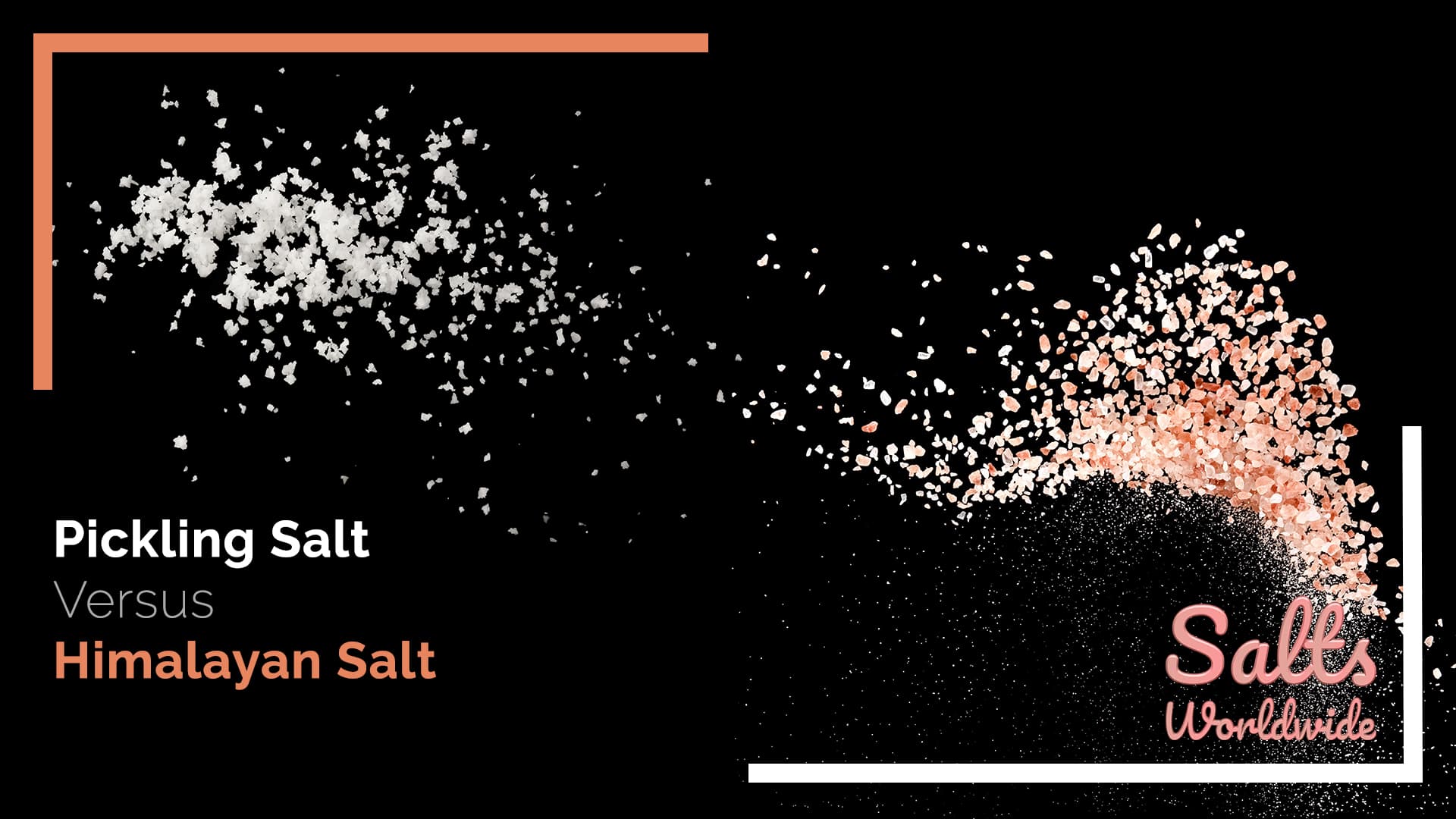
When it comes to cooking, salt is one of the most essential ingredients because it enhances the natural flavors of your food. Molecularly, any culinary salt is composed of sodium and chloride. These two minerals are vital for human physiology, supporting nerve impulse transmission, muscle function, and fluid balance in the body. Salts are harvested from natural seawater or rock deposits. In the food industry, salt is used not only for flavor but also for preservation and fermentation. When choosing between pickling salt and pink Himalayan salt, it is helpful to compare their textures, processing, mineral profiles, and how they behave in cooking.

Pickling salt (often called canning salt) is a fine-grained, pure salt primarily used for preserving and pickling vegetables. It consists of pure sodium chloride with no added iodine or anti-caking agents. The lack of additives is essential in canning because anti-caking agents can make the pickling brine cloudy, and iodine can darken the pickles. Pickling salt is ground very finely so that it dissolves quickly in warm water, facilitating the fermentation and brining process.
Pink Himalayan salt is an unrefined rock salt mined from the salt range near the Punjab region of Pakistan. It is characterized by its distinct pink crystals, which are colored by trace amounts of iron oxide (rust) present in the deposits. Himalayan salt is composed of approximately 98% sodium chloride, with the remaining 2% containing trace minerals like calcium, potassium, and magnesium. Because it is unrefined and contains no anti-caking additives, it has become popular for everyday culinary seasoning and gourmet presentation. While it contains trace minerals that contribute to a subtler, sweeter flavor, these minerals are present in minute amounts and do not serve as a primary source of dietary nutrition.
Iodine and Sodium Differences: A common misconception is that Himalayan salt is a significant source of iodine or can be used as a treatment for iodine deficiency. In truth, pink Himalayan salt contains only negligible trace amounts of iodine, far below the levels found in iodized table salt. According to the National Institutes of Health (NIH), iodine is vital for healthy thyroid function and metabolic regulation, but individuals with iodine deficiency should rely on iodized salt, dairy products, eggs, or seafood rather than Himalayan salt. Additionally, while some claim Himalayan salt is lower in sodium, this is primarily due to crystal size—coarse crystals pack less densely in a spoon. Gram for gram, both salts are composed almost entirely of sodium chloride, and sodium intake should be moderated in accordance with general health guidelines.

It is important to emphasize that Himalayan salt is not a treatment for iodine deficiency. Because its natural iodine content is negligible, using it as a source of iodine is ineffective. For dietary iodine, health professionals recommend iodized salt or foods naturally rich in iodine. Furthermore, pickling salt is manufactured purely for food preservation, while unrefined Himalayan salt is highly versatile, used for finishing dishes, grilling on salt blocks, or even as a relaxing ingredient in warm baths.
Ultimately, both salts have their place in the kitchen. Pickling salt is the ideal choice for clear, crisp pickles due to its quick dissolution and lack of additives, while pink Himalayan salt is an excellent gourmet finishing salt that adds color, texture, and a delicate flavor to your everyday meals.

Pink Himalayan Salt
The ingredients that make Pink Himalayan Salt a favorite among chefs in the culinary world also make it a replenishing bath salt!

Get in Touch
facebooktwitterlinkedin