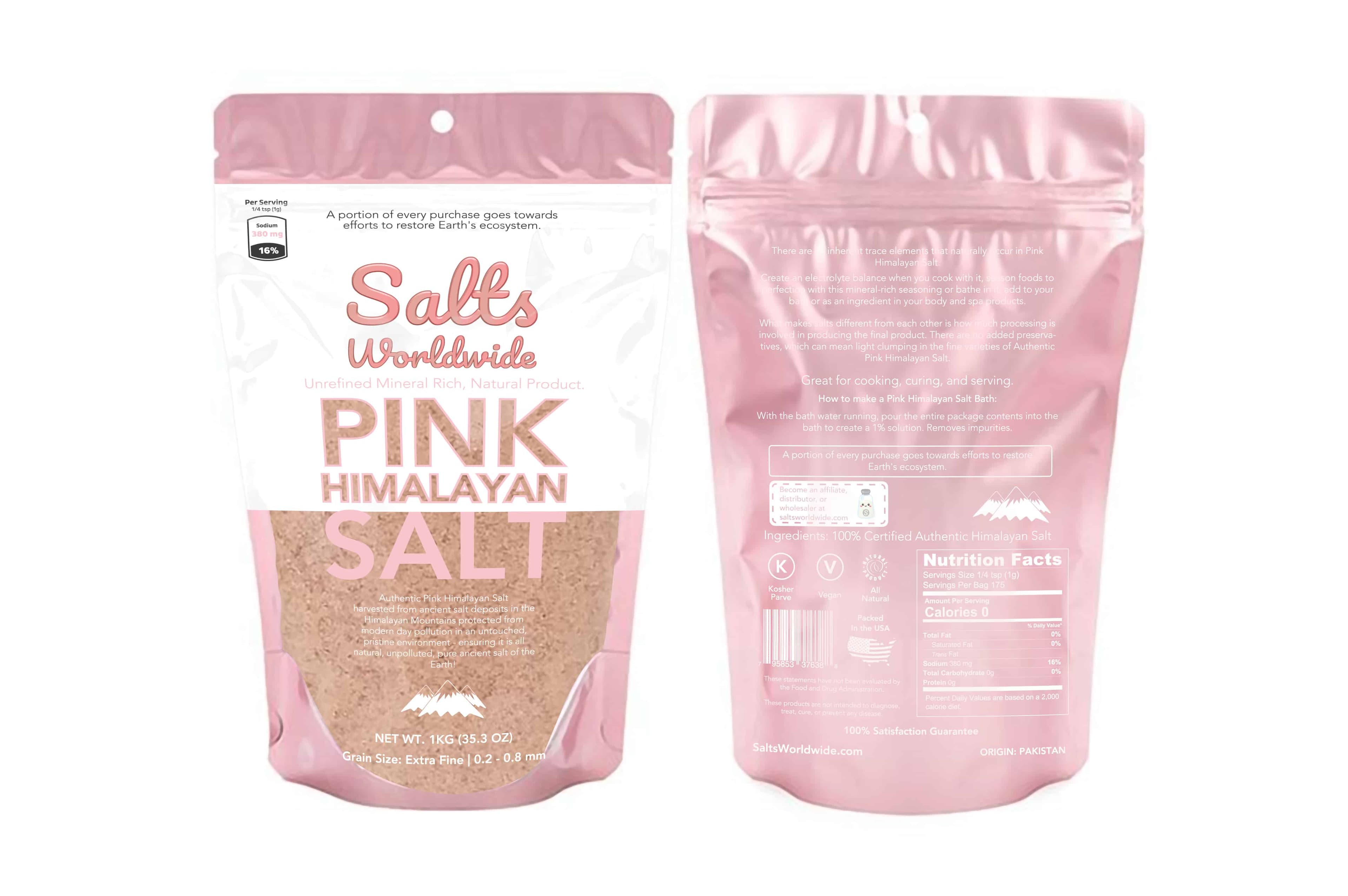
What makes Himalayan Salt distinct?
Himalayan Salt is best known for its warm pink color, clean salinity, and versatile crystal texture. Most pink Himalayan salt sold for culinary use is mined from ancient salt deposits in the Punjab region of Pakistan, then sorted, crushed, and graded for different kitchen uses. The color can range from pale blush to deep rose depending on the natural mineral traces in the deposit, especially iron-bearing minerals that tint the crystals without changing their basic role as salt.
For cooks, the appeal is practical as much as visual. Himalayan Salt can work in a grinder, in a pinch bowl, in a measured recipe, or as a final accent on finished food. It has a straightforward salty flavor with a slightly rounded finish, so it is easy to use in daily cooking without overwhelming the dish. The crystals also give it a natural presentation advantage: even a small amount stands out on roasted vegetables, grilled proteins, buttered bread, melon, chocolate, or a simple tomato salad.
Because pink salt has become popular in wellness circles, it is worth drawing a clear line. Himalayan Salt is still salt. It is not a shortcut to a health outcome, and it should be used with the same care you would bring to any sodium-containing ingredient. Its strongest value on this page is culinary: flavor, texture, color, storage stability, and the pleasure of seasoning food with control.
What is Himalayan Salt used for?
In the kitchen, Himalayan Salt is a flexible everyday salt. Fine grains dissolve quickly into soups, sauces, doughs, dressings, and marinades. Coarser grains are useful in grinders, salt mills, and finishing applications where you want a little sparkle on the surface of the food. The flavor is familiar enough for daily cooking but visually distinct enough for table service, which is why many home cooks keep it in a clear grinder or open cellar.
Use it anywhere you would normally reach for a general culinary salt: seasoning eggs, salting pasta water, building a rub for chicken or vegetables, balancing a vinaigrette, or finishing sliced avocado and citrus. It also works well in batch cooking because the flavor is not smoky, perfumed, or highly specialized. If a recipe depends on precise salt levels, measure by weight instead of volume because crystal size changes how much salt fits into a teaspoon.
Some shoppers also use pink salt in bath or decorative rituals, but food-grade Himalayan Salt is usually purchased for cooking. If you use it outside the kitchen, keep the framing simple: a warm soak, a quiet routine, or a decorative bowl by the bath. Avoid turning those rituals into promises. The product is not a substitute for professional care, and it should not be used on irritated or broken skin without guidance from a qualified professional.
Flavor, texture, and mineral profile
Himalayan Salt tastes clean, mineral, and gently briny. Compared with a very sharp refined table salt, many cooks find the sensation a little rounder because the crystals are larger and dissolve on the tongue more gradually. That texture matters. A fine grind disappears into food; a coarse grind gives a brief crunch; a medium grind can do both depending on when it is added.
The pink color comes from naturally occurring mineral traces within the salt deposit. Those traces are part of the salt's identity, but they are present in small amounts. The useful way to talk about them is factual: they influence color and sometimes subtle flavor, while sodium chloride remains the main component. For everyday cooking decisions, grain size and dosing matter more than broad wellness claims.
Store Himalayan Salt in a dry container with a tight lid. Salt itself is shelf stable, but humidity can make crystals clump. If you keep a grinder near the stove, avoid steam from boiling pots. If you keep a larger refill bag, close it carefully after each use and refill the table container as needed.
How to use Himalayan Salt well
Start with less than you think you need, especially when finishing food. Coarse crystals can taste stronger because they sit on the surface and hit the tongue directly. For soups, sauces, and grains, add a little during cooking, then adjust near the end after liquid has reduced and flavors have concentrated.
For roasted vegetables, season before roasting with oil and a modest amount of fine or medium salt, then add a tiny pinch of coarser salt after the vegetables leave the oven. For grilled meats, salt with enough lead time for the surface to draw in seasoning, or finish lightly at the table if the dish is already seasoned. For desserts, use just a few crystals on chocolate, caramel, cookies, or fruit so the salt highlights sweetness without taking over.
If you are replacing kosher salt, table salt, or sea salt in a recipe, compare texture before substituting one-for-one by volume. A tablespoon of coarse crystals can contain less actual salt than a tablespoon of fine grains. Weight is the most reliable method; tasting in stages is the most practical method for everyday home cooking.
Buying and pairing notes
Choose Himalayan Salt when you want one dry culinary salt that can do many jobs. It is a strong fit for shoppers who use a grinder, prefer visible crystals, or want a salt that looks polished on the table without adding a special aroma. If you cook mostly from recipes, keep a small kitchen scale nearby or learn how your chosen grind compares with the kosher salt measurements common in cookbooks.
Pair it with ingredients that benefit from a clean salty edge: tomatoes, cucumbers, citrus, eggs, grilled chicken, roasted potatoes, sautéed greens, homemade crackers, and dark chocolate. It is also useful in compound butter because the pink crystals remain visible when sprinkled over the finished butter. For meal prep, use finer grains inside the recipe and save coarser grains for serving.
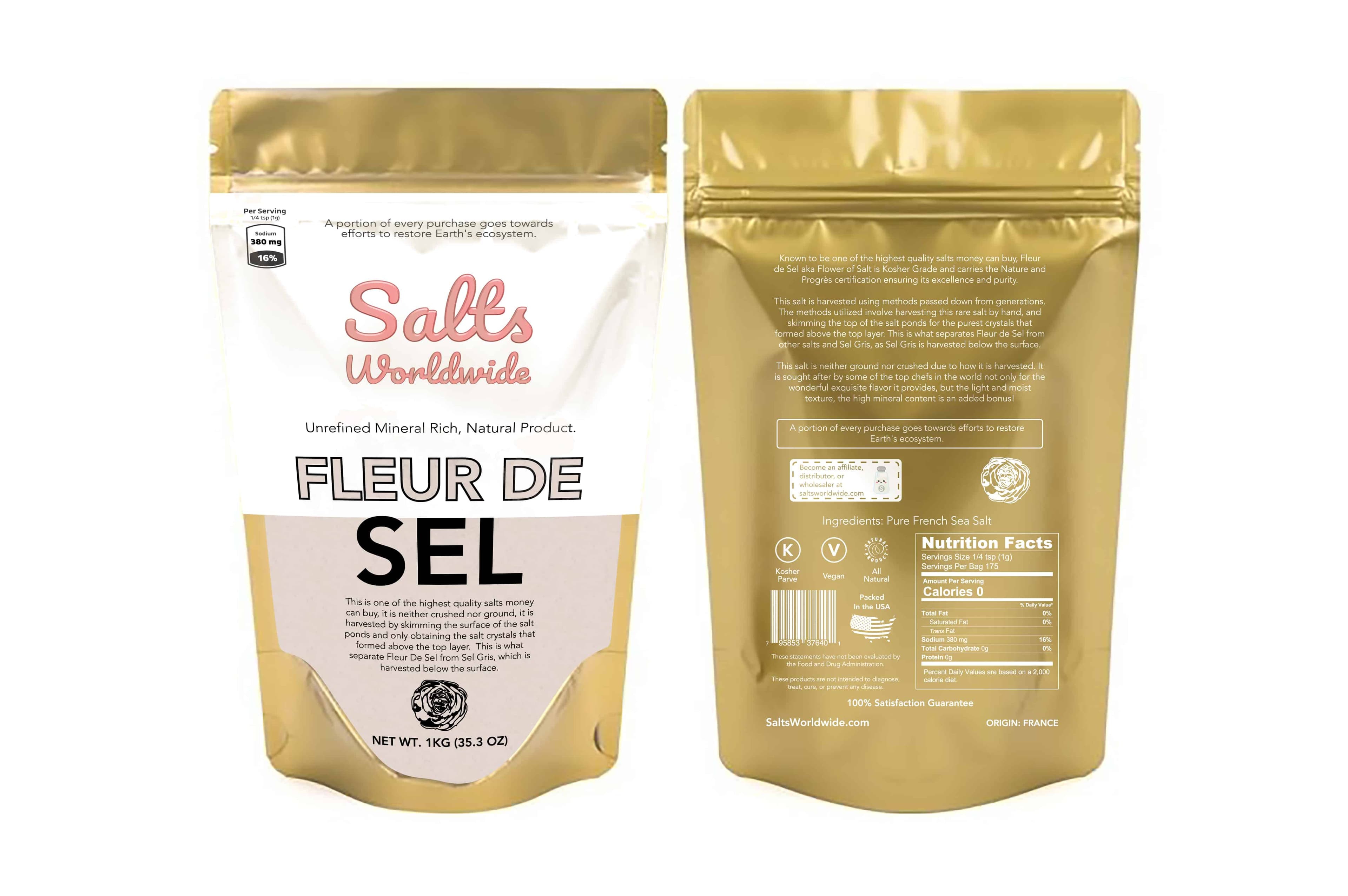
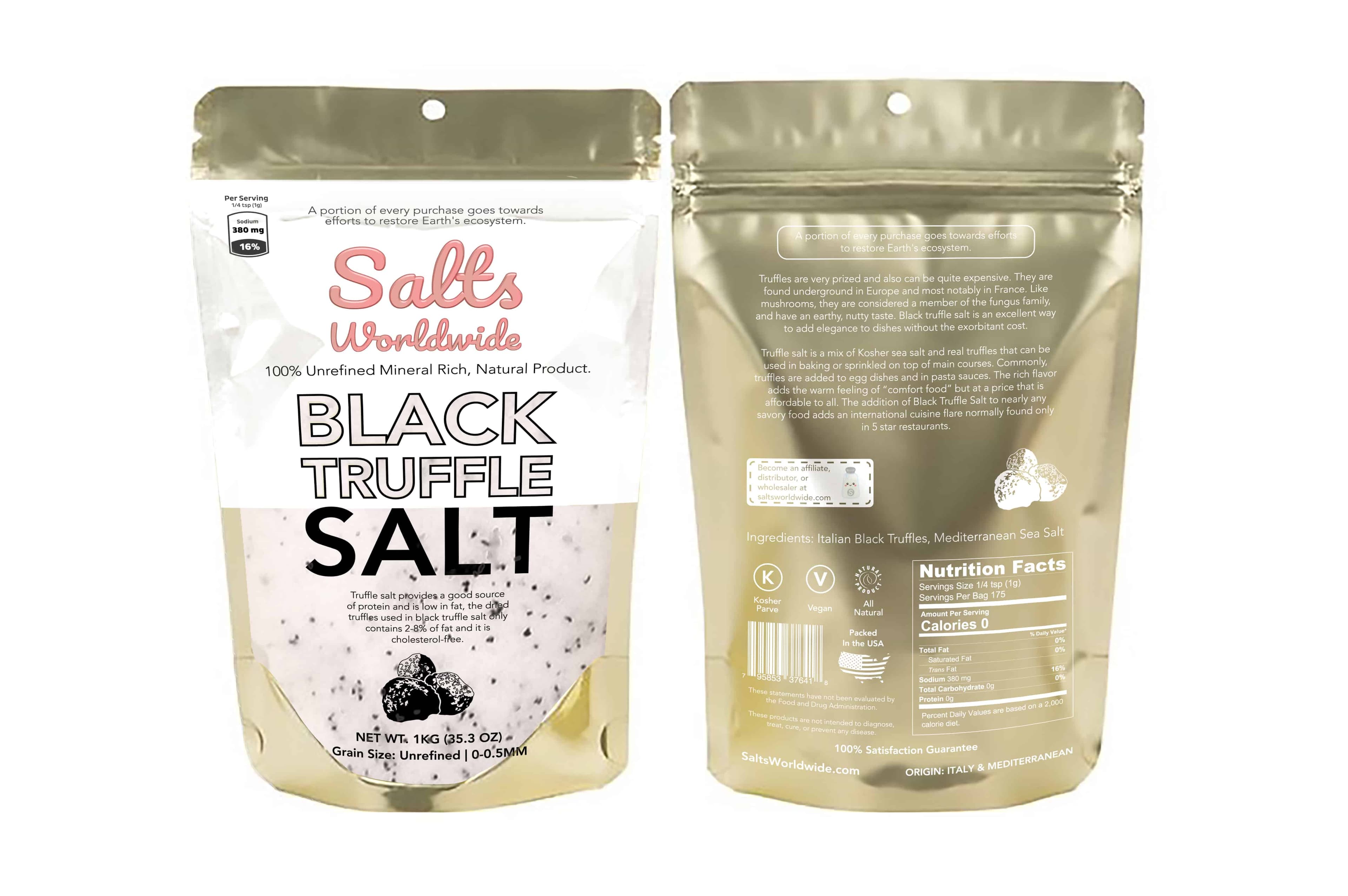
Compared with French Grey Salt, Himalayan Salt is drier and usually easier to grind. Compared with Fleur de Sel, it is more economical for everyday seasoning but less delicate as a finishing flake. Compared with Red Salt or Black Salt, it is more neutral in color and flavor impact. That makes it a safe pantry anchor when you want the specialty look of a mineral salt without committing every dish to a bold flavor direction.