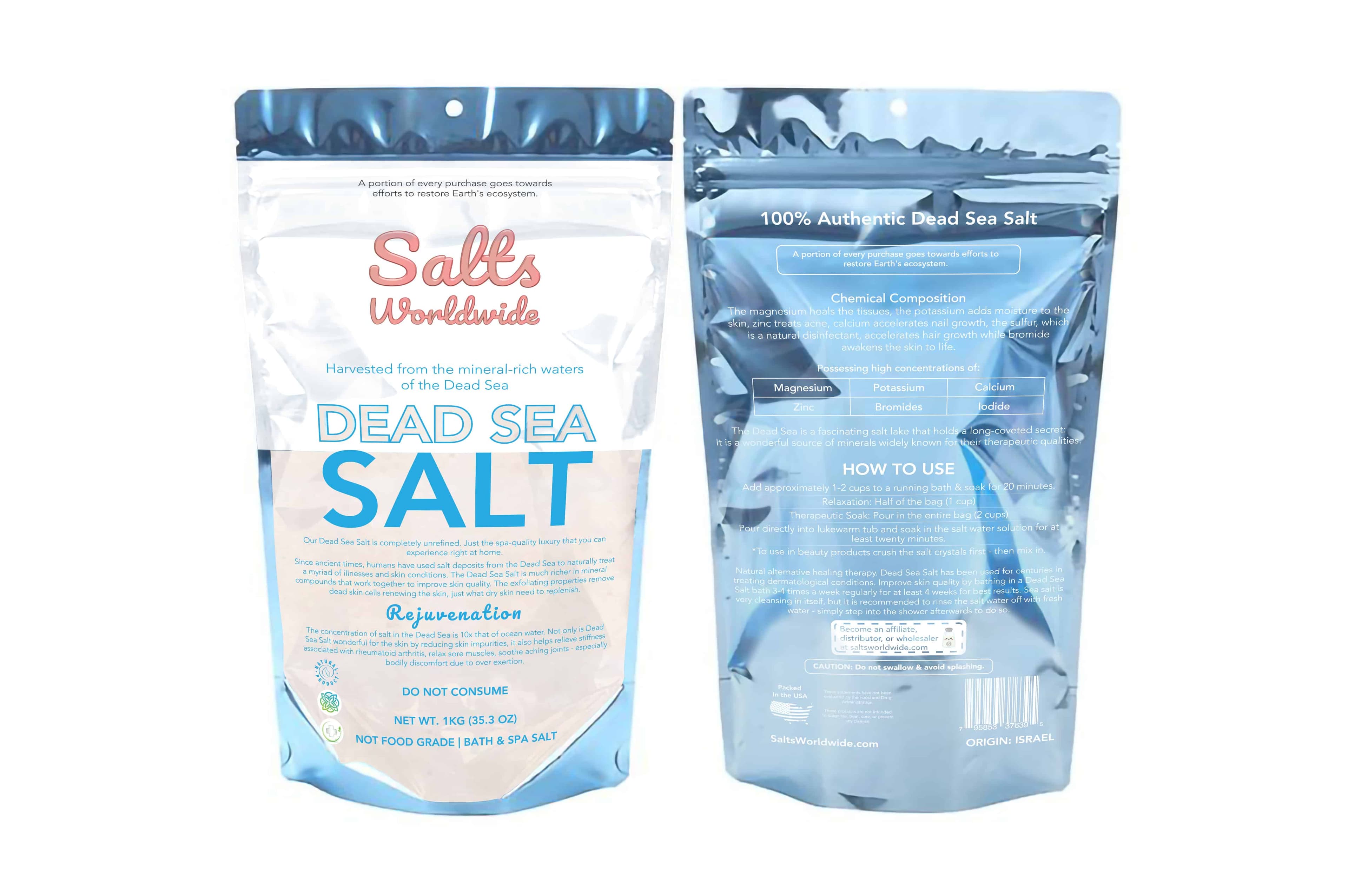
Dead Sea Salt
Dead Sea Salt
Dense with natural minerals drawn from the Dead Sea, this coarse bath salt turns an ordinary soak into a slow, spa-style wind-down.
From
$29.99
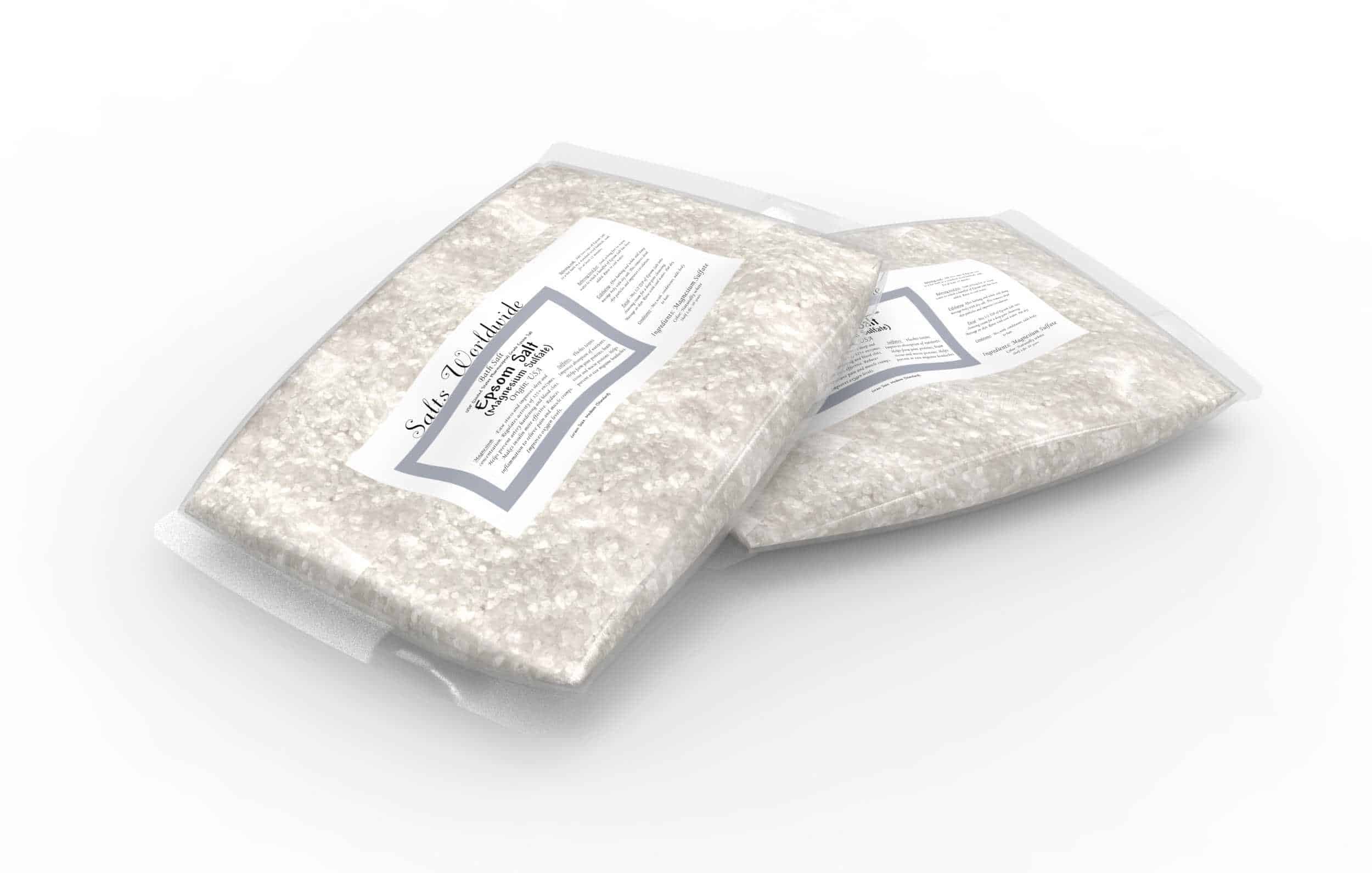
A soaking-salt staple for a slow, warm bath at the end of the day. Currently out of stock — we're working on getting it back.
This product remains browsable so customers can review the available size and pricing context while inventory is being restored.
Selected price
$5.35
Epsom Salt is temporarily out of stock. Online ordering will be enabled when inventory is available.
Dead Sea Salt
Dense with natural minerals drawn from the Dead Sea, this coarse bath salt turns an ordinary soak into a slow, spa-style wind-down.
From
$29.99
Epsom Salt is the common name for magnesium sulfate crystals. Despite the word salt, it is not the same as table salt and it is not used as a culinary finishing salt. Shoppers usually buy it for bath soaks, foot soaks, and simple home spa routines where the crystals dissolve into warm water and create a clean, mineral-feeling soak.
The material has a long household history because it is inexpensive, easy to store, and simple to use. Pour it into bath water, let it dissolve, and turn an ordinary bath into a slower routine. It can be used on its own or blended with bath-safe fragrance, carrier oils, or dried botanicals when you want a more polished bath jar.
Online conversations sometimes make Epsom Salt sound like a universal body-care answer. This page avoids that framing. Epsom Salt can be part of a warm bath, a foot soak, or a wind-down habit, but it should not replace professional guidance for pain, skin concerns, injuries, or ongoing symptoms. The value here is sensory: warm water, dissolved crystals, quiet time, and an easy end-of-day ritual.
Epsom Salt is used most often in a full bath or foot bath. A warm soak can feel calming after a long day because it gives you time away from screens, standing, and noise. The crystals dissolve quickly, and the water feels smooth rather than gritty when the salt is fully dissolved. Many people keep a bag in the bathroom for occasional use rather than daily use.
It is also used in DIY bath blends. You can combine Epsom Salt with coarse bath salt, baking soda, or dried flowers for presentation, but keep every added ingredient bath-safe and skin-appropriate. If you use essential oils, dilute them correctly before they touch bath water. Dropping concentrated oil straight into a tub can be harsh on skin and can make surfaces slippery.
Epsom Salt is not a food seasoning. Keep it in the bath area or clearly labeled storage, away from culinary salts. If a package includes directions for uses beyond bathing, follow the label and ask a qualified professional when the use involves ingestion, children, pregnancy, a medical condition, or medication interactions.
Epsom Salt crystals are usually clear to white, dry, and angular. They dissolve readily in warm water, which makes them easy to use in both full baths and smaller basins. The texture in the bag can look similar to coarse culinary salt, but the material is chemically different: magnesium sulfate rather than sodium chloride.
Magnesium and sulfate are part of the compound's identity, but their presence should be described as composition rather than a promised body effect. The most reliable shopping differences are crystal size, purity for the intended bath use, packaging, fragrance status, and whether the product is plain or blended.
Store Epsom Salt dry and sealed. Bathroom moisture can make the crystals clump, though clumped salt can often still dissolve in bath water. Use a scoop, keep the bag closed, and avoid letting wet hands reach into the container.
For a full bath, add Epsom Salt while the tub is filling and give the water time to dissolve it. The water should be warm and comfortable, not overly hot. A 10 to 20 minute soak is plenty for a simple routine. Step out slowly, especially if the bath was warm, and rinse afterward if you prefer no residue on your skin.
For a foot soak, use a basin, warm water, and a smaller amount of salt. Dissolve the crystals first, then soak for a short, comfortable period. Dry your feet well afterward and keep the floor around the basin dry to prevent slipping.
Skip bath salts on broken or irritated skin, and stop if the soak stings or feels uncomfortable. If you feel lightheaded, overheated, or unusual after a bath, cool down and use plain water. Epsom Salt should support a quiet routine, not push you past what feels comfortable.
When shopping for Epsom Salt, decide whether you want a plain bath ingredient or a scented blend. Plain Epsom Salt is the most flexible because you can use it by itself, combine it with Dead Sea Salt, or divide it into smaller jars for different routines. Scented blends can be pleasant, but they are less flexible and should be chosen carefully if your skin is sensitive to fragrance.
Package size depends on use. A small package is enough for occasional foot soaks or a first trial. A larger package makes sense if you use full baths, make bath jars, or want an economical refill. Keep the container sealed and dry because clumps are inconvenient even when the crystals still dissolve.
For a simple bath jar, combine Epsom Salt with a second bath salt for texture, then keep fragrance separate until you know what you like. A plain jar also makes cleanup easier. Botanicals can be pretty, but they can leave pieces in the tub, so a reusable bath bag may be a better choice.
Compare Epsom Salt with Dead Sea Salt based on the routine rather than claims. Epsom Salt is a familiar magnesium sulfate crystal with a clean dissolve. Dead Sea Salt brings a broader mineral-salt identity and a different source story. Both can support a slow bath moment when used sensibly, and both should stay clearly separate from culinary salts.
Build the routine around comfort and consistency. Set a towel nearby, keep water within a comfortable range, and give yourself enough time to step out slowly. After the soak, rinse the tub or basin so crystals and any added oils do not remain on the surface. Those small habits make Epsom Salt easier to keep in regular bathroom rotation.
If you share a bathroom, store Epsom Salt with a scoop and a clear label so it is not mistaken for a scrub, cleaner, or kitchen product. A simple container also keeps moisture out and makes the routine easier to repeat without spills, especially when hands are damp and the container is easier to handle during a busy evening routine.
Epsom salts dissolve into warm water and create a mineral bath or foot soak. Many people use them as part of a wind-down routine, but they should not be presented as a fix for a medical concern.
Avoid Epsom salt on broken or irritated skin, and ask a qualified professional before use if you are pregnant, caring for a child, dealing with an ongoing medical concern, or considering any non-bath use.
In a foot soak, Epsom salt dissolves into warm water and creates a simple spa-style basin routine. Dry your feet well afterward, and stop if the soak feels uncomfortable.
Some people use a warm Epsom salt bath when they want to relax, but it should not be relied on for lower back pain. Persistent or severe pain deserves individualized guidance from a qualified professional.
Some people feel fine without rinsing, while others prefer a quick fresh-water rinse to remove residue. If your skin feels dry or tight after a bath, rinse and moisturize as you normally would.
A very warm bath, long soak, dehydration, or standing up quickly can leave some people feeling off. Cool down, use plain water, and seek qualified guidance if the feeling is strong, recurring, or concerning.
We use analytics cookies to understand how the site is used. See our Privacy Policy.