Himalayan Pink Crystal Salt: Cooking Uses, Hydration Myths, and Buying Notes
Himalayan pink crystal salt is still salt. Its color and trace minerals can make it visually appealing, but it should be used in ordinary cooking amounts and stored like any other kitchen salt. Use it for flavor and texture Coarse crystals work well as a finishing salt, while finer crystals dissolve more easily in cooking. [...]
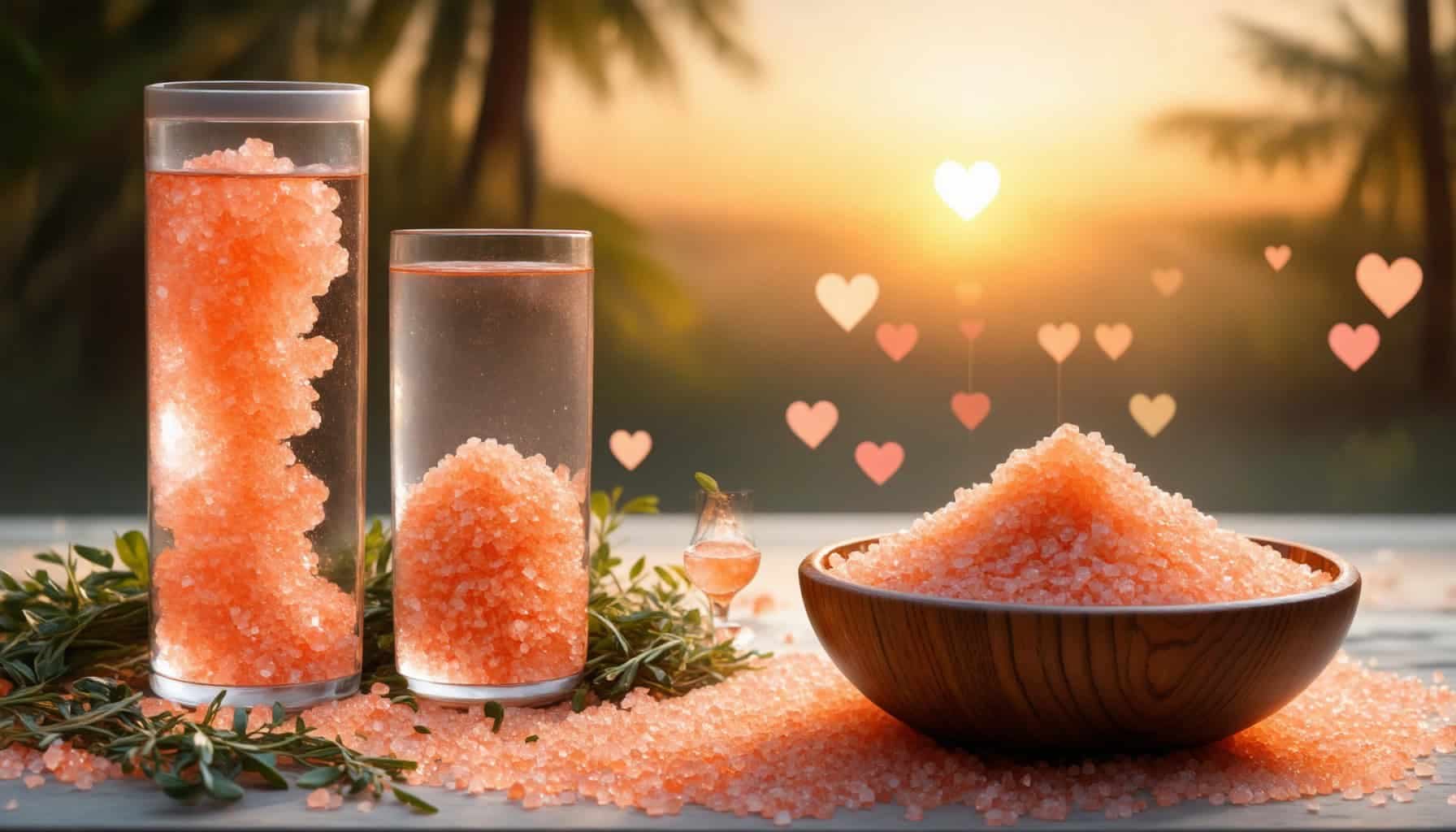
Himalayan pink crystal salt is still salt. Its color and trace minerals can make it visually appealing, but it should be used in ordinary cooking amounts and stored like any other kitchen salt.
Use it for flavor and texture
Coarse crystals work well as a finishing salt, while finer crystals dissolve more easily in cooking. Taste as you go.
Separate food use from bath use
Kitchen salt and bath salt should stay in separate containers. Use only products labeled for the purpose you have in mind.
Be careful with trend claims
Salt water routines and weight-loss shortcuts are easy to overstate. For food, the dependable guidance is moderation and clear labeling.
Claims and safety notes
Keep expectations modest. Salt products can change flavor, texture, lighting, or the feel of a routine, but they should not be presented as medical care or guaranteed body changes.
Buying now from Salts Worldwide
If you are shopping the current Salts Worldwide catalog, use the in-stock pages for Dead Sea Salt or Himalayan Salt. Epsom Salt is restocking, so do not use it as an urgent purchase destination until availability changes.
Use it safely
- Match the product label to the use: food, bath, decor, or water softener.
- Keep bath salt away from eyes and uncomfortable skin.
- Do not ingest bath, lamp, or utility salt.
- Pause any routine that causes stinging, discomfort, or damage to surfaces.
- Ask a qualified professional before strong salt baths if you are pregnant, have been told to limit soaking, or are unsure whether soaking is appropriate for you.