Exploring Himalayan Salt Tiles for Walls: Benefits, Longevity, and Ideal Placement for Your Home
How to plan Himalayan salt tile walls with placement, moisture control, lighting, cleaning, and longevity in mind.
Key Takeaways
- Salt tiles need dry, stable placement.
- Lighting changes the look but also adds heat and electrical planning.
- Moisture control is the main longevity issue.
- A tile wall is decor, not medical equipment.
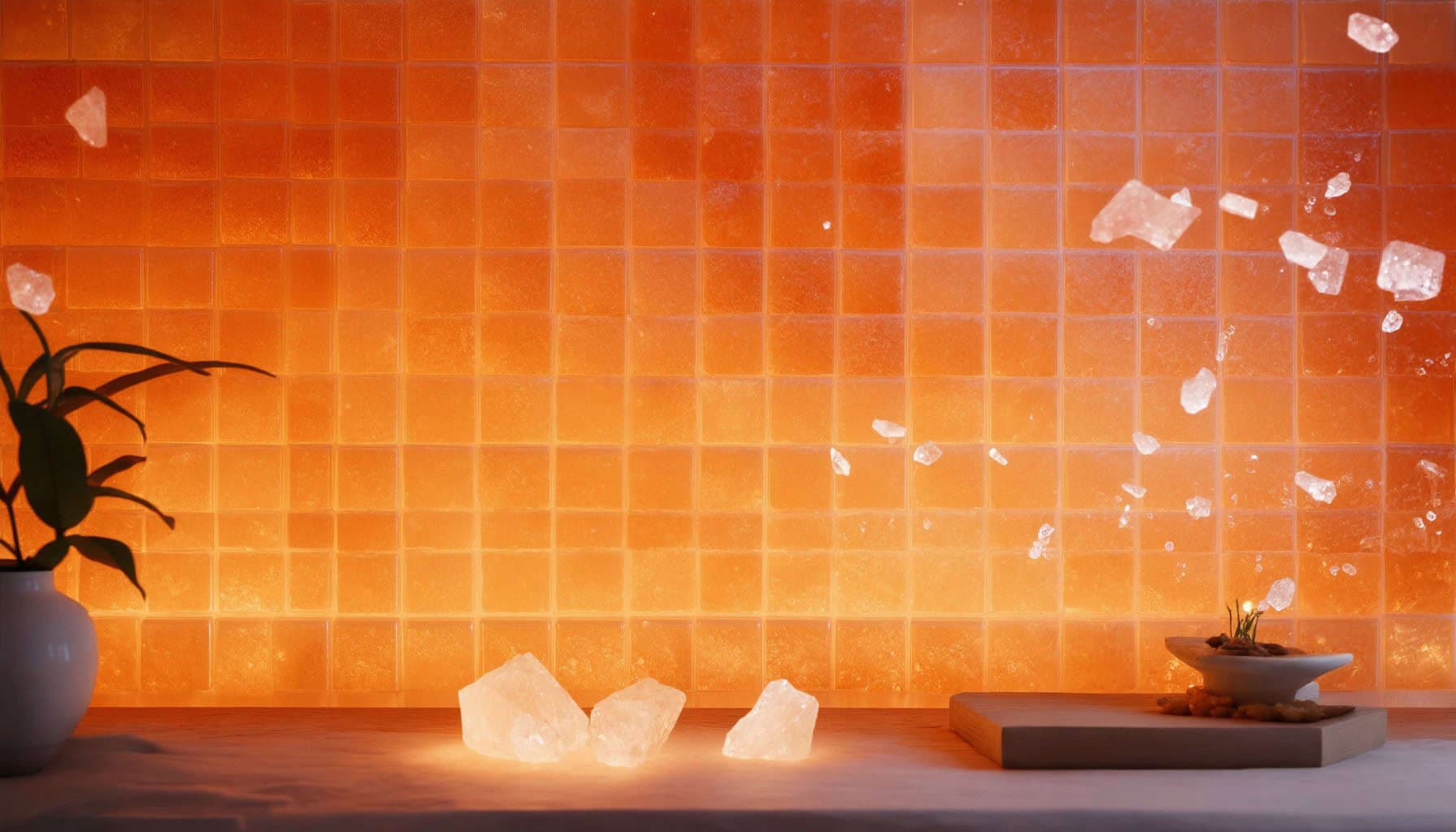
Himalayan salt tiles can create a warm, textured wall feature when the location is dry and the installation is planned carefully. The practical questions are moisture, support, cleaning, and lighting.
Plan the location first
Use salt tiles away from steam, splashing, and outdoor humidity. A dry interior wall is a better candidate than a bathroom or kitchen backsplash.
Think through support
Salt blocks are heavy. Confirm the mounting system, backing surface, and electrical plan before buying materials.
Clean gently
Dust with a dry cloth and avoid soaking the surface. If the tiles sweat in humid weather, improve airflow and protect nearby finishes.
Claims and safety notes
Keep expectations modest. Salt products can change flavor, texture, lighting, or the feel of a routine, but they should not be presented as medical care or guaranteed body changes.
Buying now from Salts Worldwide
If you are shopping the current Salts Worldwide catalog, use the in-stock pages for Dead Sea Salt or Himalayan Salt. Epsom Salt is restocking, so it should not be used as an urgent purchase destination until availability changes.
Use it safely
- Match the product label to the use: food, bath, decor, or water softener.
- Keep bath salt away from eyes and uncomfortable skin.
- Do not ingest bath, lamp, utility, or decor salt.
- Pause any routine that causes stinging, discomfort, or damage to surfaces.
- Ask a qualified professional before strong salt baths if you are pregnant, have been told to limit soaking, or are unsure whether soaking is appropriate for you.