Salt Rock Slab: Cooking Uses, Heating, Cleaning, and Safety Notes
How to use a salt rock slab for cooking and serving, including heating, chilling, cleaning, storage, and safety basics.
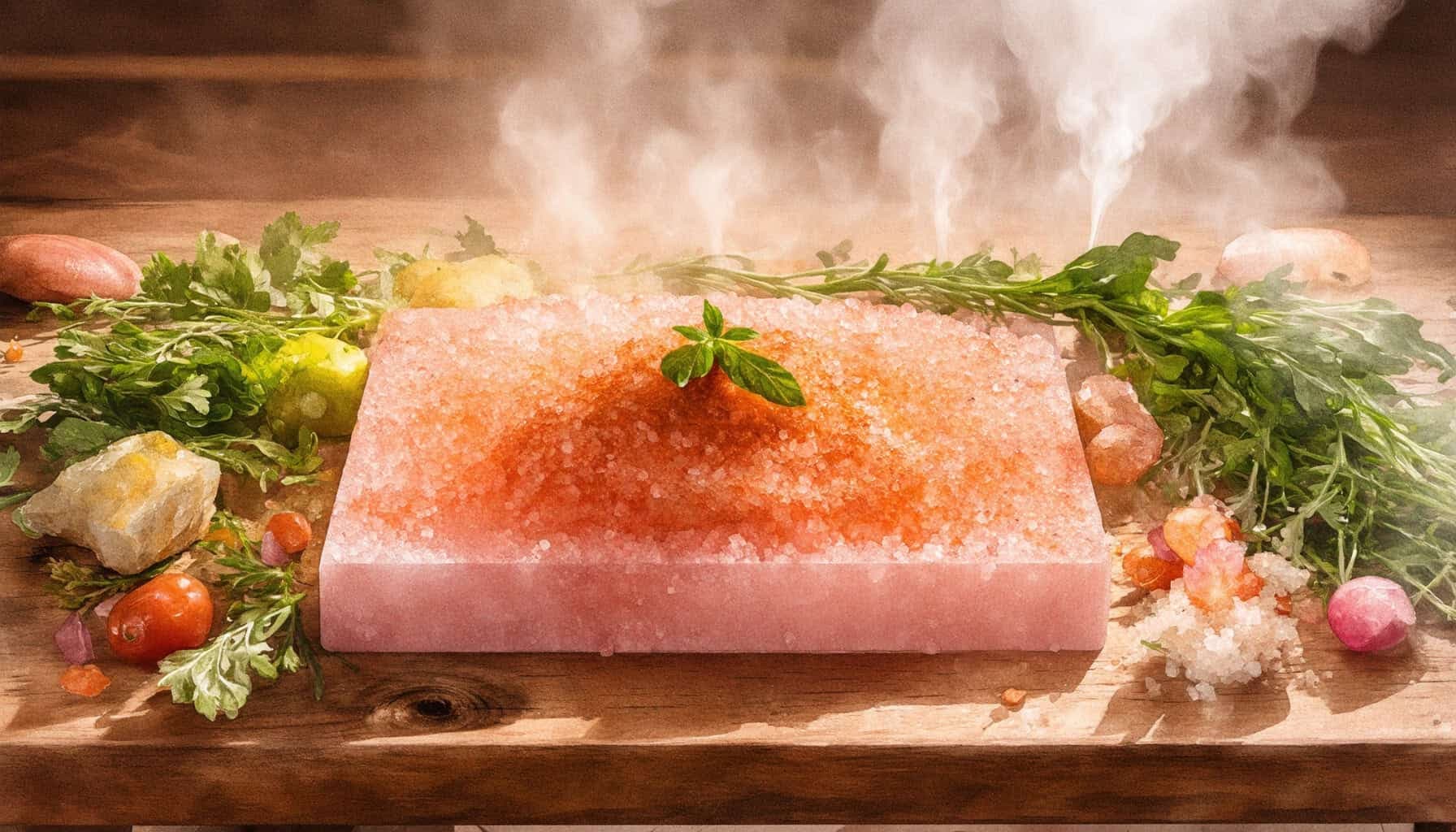
Key Takeaways
- Heat salt slabs gradually to reduce cracking risk.
- Use them for cooking, chilling, serving, or presentation.
- Clean with minimal moisture and dry fully.
- A slab is cookware, not a wellness product.
A salt rock slab is a cooking and serving surface that adds gentle salinity and visual impact. It needs gradual temperature changes, dry storage, and careful cleaning.
Heat slowly
Start over low heat and increase in stages. Sudden temperature changes can crack natural salt.
Use with the right foods
Thin cuts, vegetables, fruit, cheese, and seafood can pick up a subtle salt note. Very wet foods may dissolve the surface faster.
Clean and store dry
Scrape off food residue, wipe lightly with a damp cloth only when needed, and dry completely before storage.
Claims and safety notes
Keep expectations modest. Salt products can change flavor, texture, lighting, or the feel of a routine, but they should not be presented as medical care or guaranteed body changes.
Buying now from Salts Worldwide
If you are shopping the current Salts Worldwide catalog, use the in-stock pages for Dead Sea Salt or Himalayan Salt. Epsom Salt is restocking, so it should not be used as an urgent purchase destination until availability changes.
Use it safely
- Match the product label to the use: food, bath, decor, or water softener.
- Keep bath salt away from eyes and uncomfortable skin.
- Do not ingest bath, lamp, utility, or decor salt.
- Pause any routine that causes stinging, discomfort, or damage to surfaces.
- Ask a qualified professional before strong salt baths if you are pregnant, have been told to limit soaking, or are unsure whether soaking is appropriate for you.