Himalayan Salt Lamps: Decor, Care, and Safety Notes
A practical salt lamp guide focused on decor, placement, humidity, bulbs, cords, and realistic expectations.
Key Takeaways
- Salt lamps are decor pieces with natural variation.
- Dry placement and stable surfaces matter.
- Electrical parts should be checked before use.
- Broad body or room-cleaning promises should be avoided.
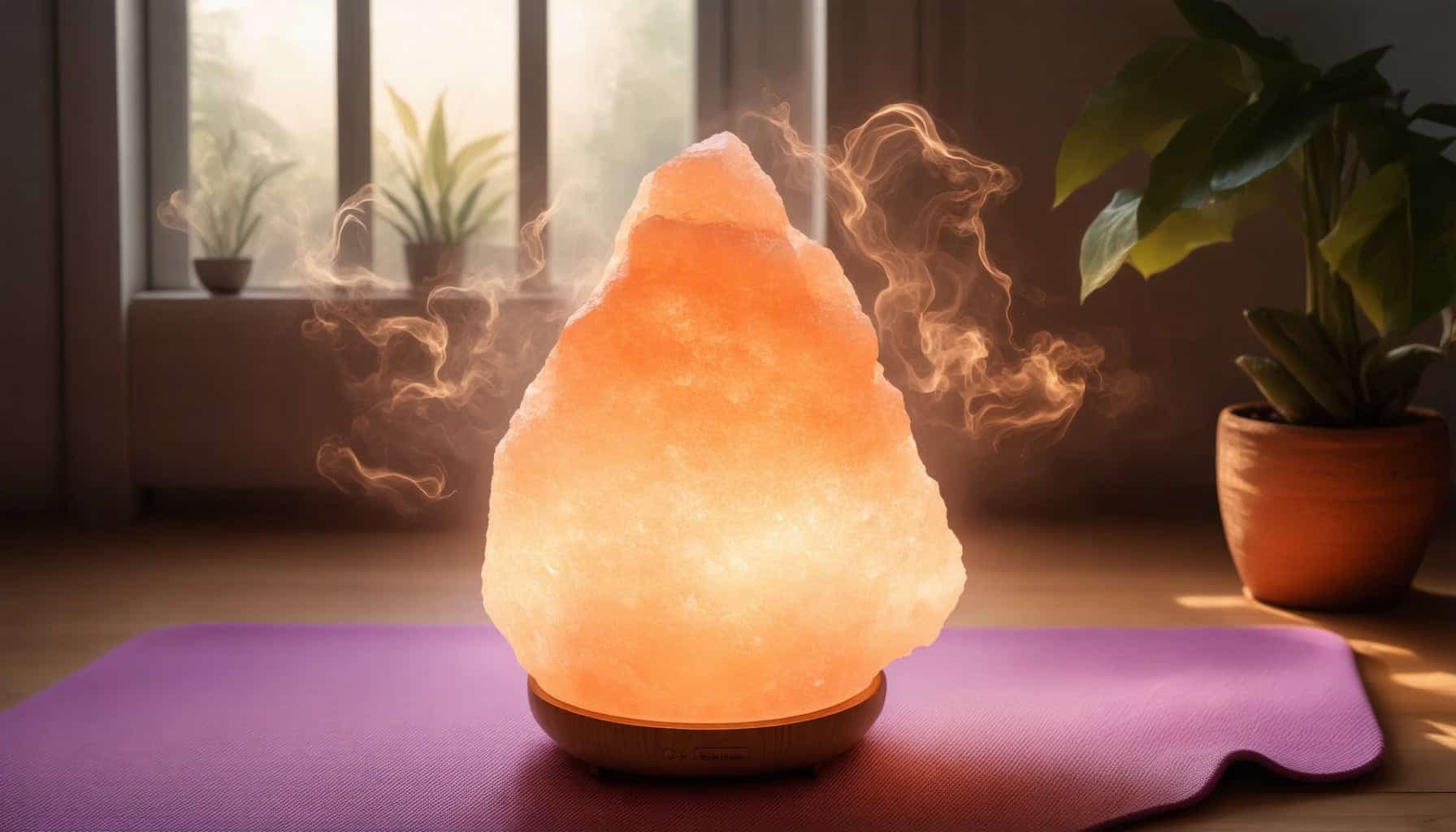
A Himalayan salt lamp is a decorative object made from natural salt with a light source inside. It can add warm color to a room, but it should be presented as decor rather than a body or air-quality device.
Choose a dry location
Salt attracts moisture, so avoid bathrooms, damp basements, windows with condensation, and surfaces that can be damaged by salt water.
Check the cord and bulb
Use the bulb size recommended by the lamp maker, keep the cord away from water, and unplug the lamp before cleaning or changing parts.
Set expectations
The main value is visual warmth, texture, and atmosphere. Do not buy a lamp expecting it to replace ventilation, cleaning, or personal guidance.
Claims and safety notes
Keep expectations modest. Salt products can change flavor, texture, lighting, or the feel of a routine, but they should not be presented as medical care or guaranteed body changes.
Buying now from Salts Worldwide
If you are shopping the current Salts Worldwide catalog, use the in-stock pages for Dead Sea Salt or Himalayan Salt. Epsom Salt is restocking, so it should not be used as an urgent purchase destination until availability changes.
Use it safely
- Match the product label to the use: food, bath, decor, or water softener.
- Keep bath salt away from eyes and uncomfortable skin.
- Do not ingest bath, lamp, utility, or decor salt.
- Pause any routine that causes stinging, discomfort, or damage to surfaces.
- Ask a qualified professional before strong salt baths if you are pregnant, have been told to limit soaking, or are unsure whether soaking is appropriate for you.