Soft Water Pellets Explained: How Long They Last, Safety Concerns, and Choosing Between Pellets and Crystals
How soft water pellets work in a brine tank, how to estimate refill timing, and how to choose between pellets and crystals.
Key Takeaways
- Pellets belong in a water softener, not in food or bath routines.
- Refill timing depends on household water use and hardness.
- Bridging and mush can reduce softener performance.
- Crystals may be acceptable only when the equipment allows them.
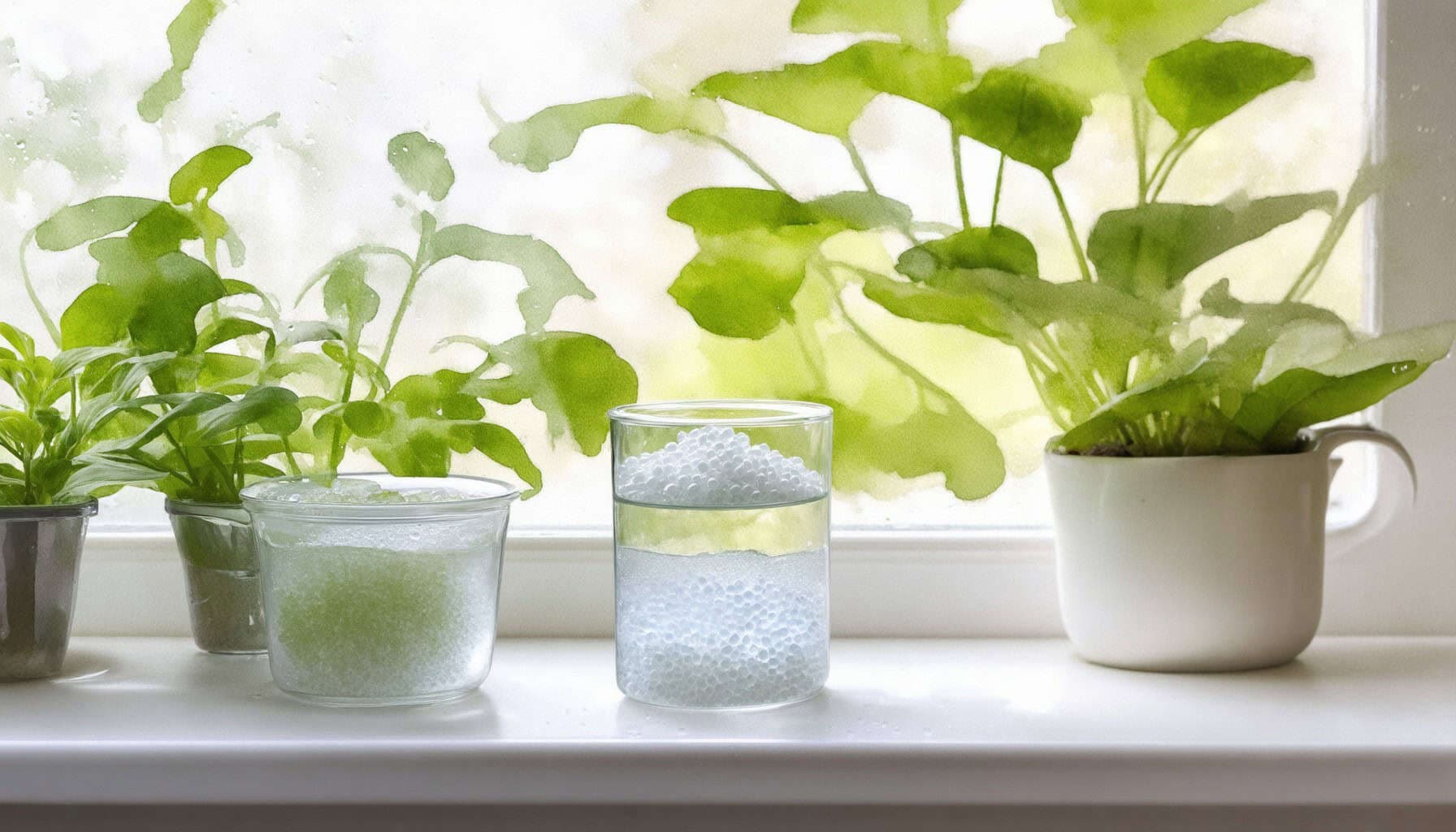
Soft water pellets are made for water softener brine tanks. Their lifespan depends on water hardness, household water use, softener settings, and tank size.
Estimate refill timing
Check the salt level monthly until you learn your household pattern. Keep enough salt in the tank to support the brine cycle, but avoid overfilling so you can see clumps or bridges.
Store and handle safely
Keep bags dry, lift carefully, and wash hands after handling. If pellets spill, sweep them up instead of rinsing large amounts into drains or soil.
Pellets versus crystals
Pellets are uniform and often resist bridging, while crystals may dissolve differently. The best choice is the form recommended for your system.
Claims and safety notes
Keep expectations modest. Salt products can change flavor, texture, lighting, or the feel of a routine, but they should not be presented as medical care or guaranteed body changes.
Buying now from Salts Worldwide
If you are shopping the current Salts Worldwide catalog, use the in-stock pages for Dead Sea Salt or Himalayan Salt. Epsom Salt is restocking, so it should not be used as an urgent purchase destination until availability changes.
Use it safely
- Match the product label to the use: food, bath, decor, or water softener.
- Keep bath salt away from eyes and uncomfortable skin.
- Do not ingest bath, lamp, utility, or decor salt.
- Pause any routine that causes stinging, discomfort, or damage to surfaces.
- Ask a qualified professional before strong salt baths if you are pregnant, have been told to limit soaking, or are unsure whether soaking is appropriate for you.