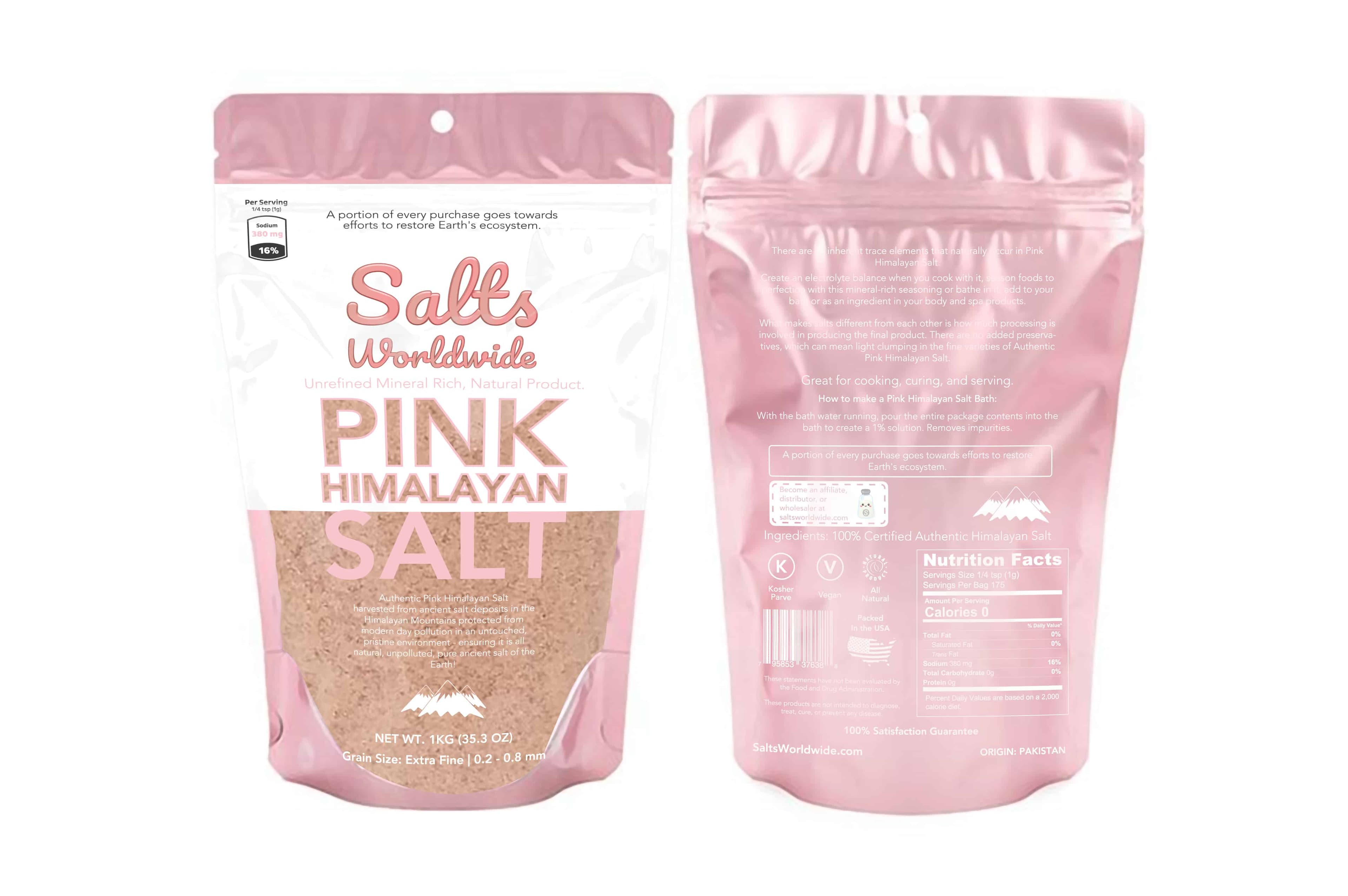
Himalayan Salt
Himalayan Salt
Warm, rose-hued crystals with a clean, mellow salinity — equally at home in a grinder for everyday seasoning or finishing a plate at the table.
From
$29.99
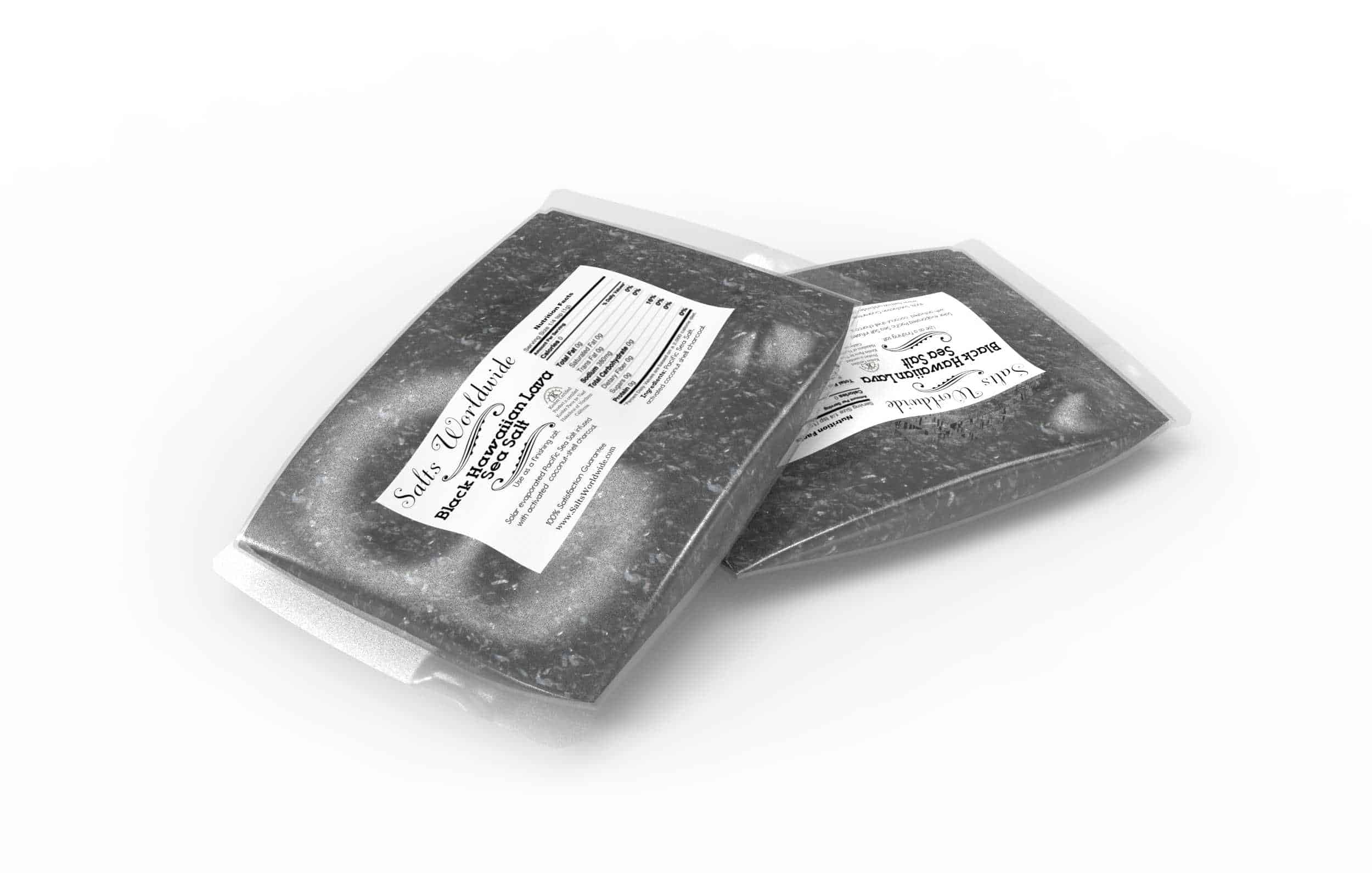
A striking, dark specialty salt with a deep, savory finish — the kind of thing that makes a simple dish look and taste intentional.
This product remains browsable so customers can review the available size and pricing context while inventory is being restored.
Selected price
$5.35
Black Salt is temporarily out of stock. Online ordering will be enabled when inventory is available.
Himalayan Salt
Warm, rose-hued crystals with a clean, mellow salinity — equally at home in a grinder for everyday seasoning or finishing a plate at the table.
From
$29.99
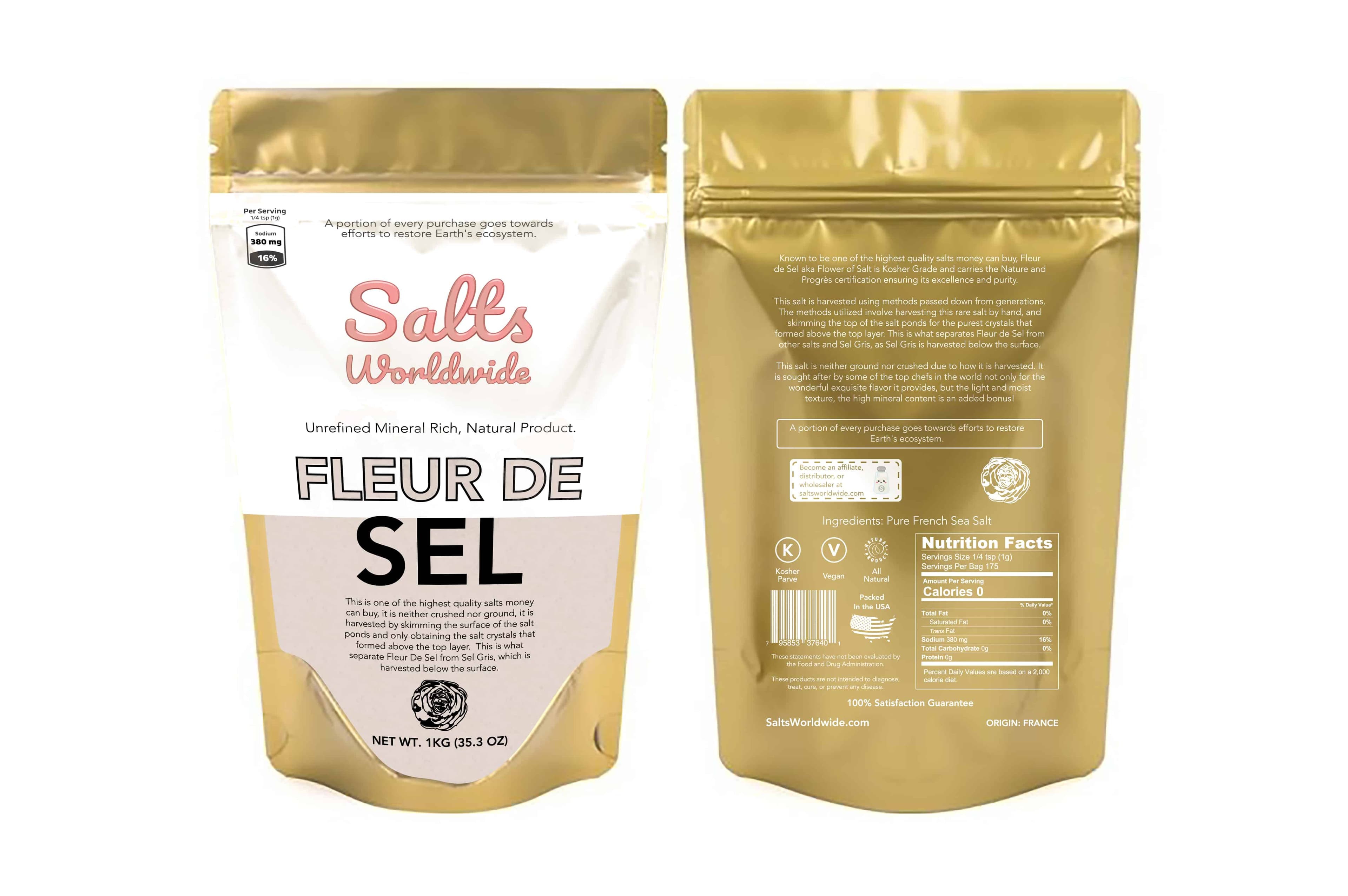
Fleur de Sel
Hand-harvested in delicate flakes from the surface of the salt pans, with the gentle crunch and bright pop of flavor a finished dish is made for.
From
$44.99
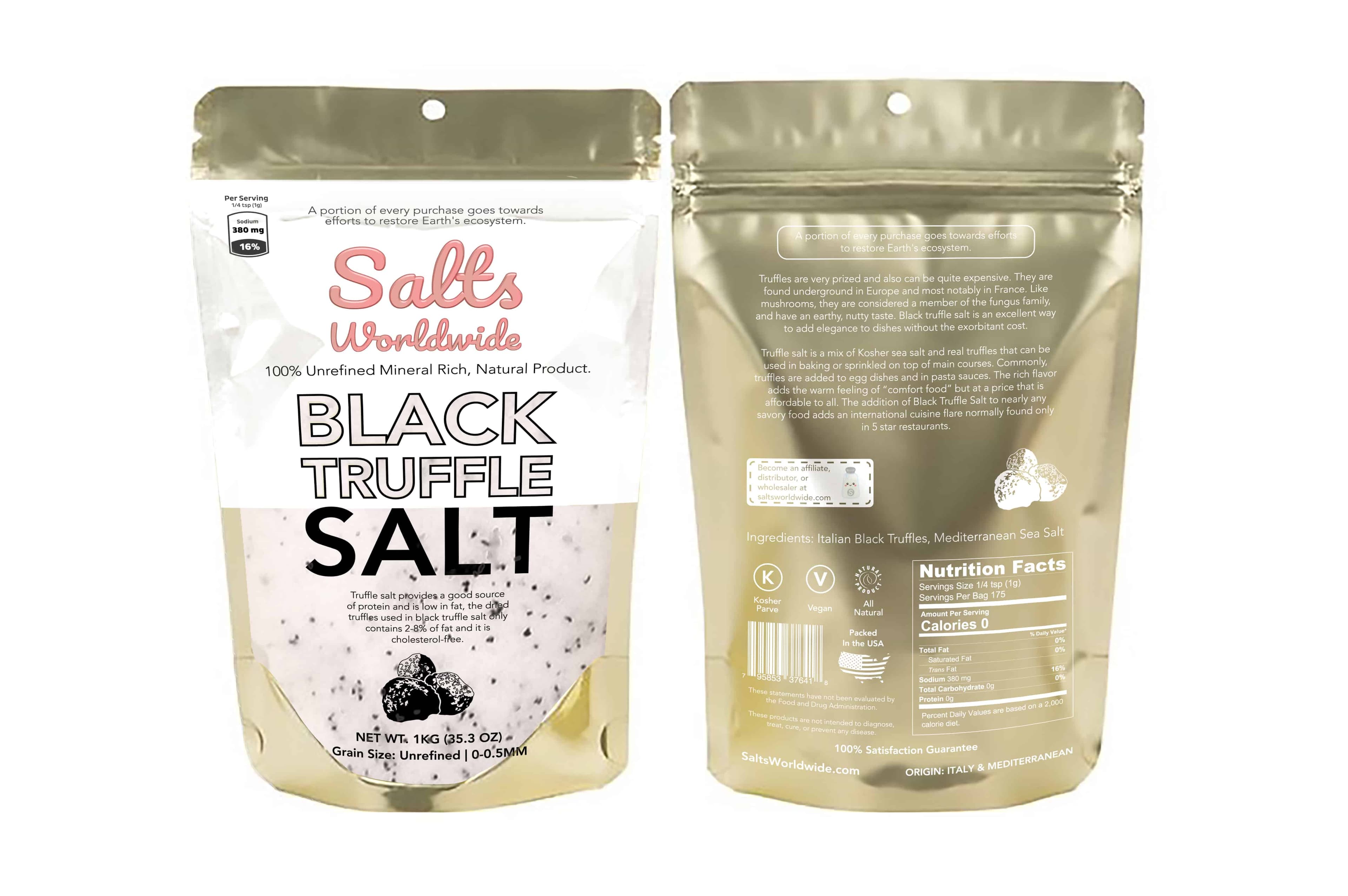
Black Truffle Salt
Earthy, aromatic, and unmistakably truffle — a pinch turns simple pasta, eggs, or potatoes into something worth slowing down for.
From
$54.99
Black Salt is a broad name used for several dark specialty salts. Some shoppers use the term for kala namak, a South Asian mineral salt known for a savory sulfur-like aroma. Others use it for black lava-style salts, where sea salt is combined with activated charcoal for dramatic color. Because the term can mean more than one thing, the smartest way to shop is to look at the product label, intended use, color, aroma, and ingredient list.
In cooking, black salt is chosen for contrast. It can bring a deep visual finish to pale foods, a savory mineral edge to snacks, or a distinctive aroma to chutneys, fruit, tofu scrambles, raitas, spice blends, and street-food-inspired dishes. It is not a neutral substitute for every salt. Its personality is the reason to buy it.
Use Black Salt when you want a small amount of salt to be noticed. A pinch can change how a dish looks and tastes; a heavy hand can take over quickly. Keep it as a specialty finishing or seasoning salt alongside more neutral daily salts such as Himalayan Salt, French Grey Salt, or kosher-style cooking salt.
Black Salt is used for savory finishing, snack seasoning, chutneys, fruit, spice mixes, and dishes where a darker mineral note is welcome. Kala namak-style black salt is famous in South Asian cooking and vegan recipes because its aroma can suggest eggs in tofu scramble, chickpea salad, and plant-based sauces. Lava-style black salt is often used for color on sushi, seafood, roasted vegetables, cocktails, and finished plates.
For fruit and snacks, use a very small pinch. It can work with mango, melon, cucumber, tomato, citrus, roasted nuts, popcorn, and fried snacks. For sauces, stir in a small amount near the end and taste before adding more. For plated food, sprinkle lightly from above so the dark crystals scatter instead of forming a heavy patch.
Black Salt is not the best choice for baking, brining, or recipes where the salt needs to vanish into the background. It is a character ingredient. Let it do a focused job, and keep a plain cooking salt for the rest of the recipe.
The flavor depends on the type. Kala namak-style salt can be savory, mineral, and sulfurous, with an aroma many people describe as eggy. Black lava-style salt is usually cleaner in flavor but dramatic in color. Both can be visually striking, but they are not interchangeable in every recipe.
Texture also varies. Some black salts are fine and powdery, which makes them useful in spice blends and sauces. Others are coarse crystals intended for finishing. If your salt is coarse and you need even distribution, crush a pinch before using it. If it is fine, add cautiously because it can season food quickly.
Mineral content and added ingredients should be discussed as product facts, not health promises. Read the label for the exact style. The most useful buying questions are whether the salt is culinary, whether it is fine or coarse, and whether its aroma matches the dish you want to make.
Open the jar and smell it before adding it to food. If the aroma is strong, start with a few grains or a tiny pinch. For tofu scramble, add it near the end so the savory aroma remains present. For fruit, combine it with lime, chili, or chaat-style spices. For popcorn or roasted nuts, season in small rounds and taste between additions.
For visual finishing, choose a dish with contrast: white fish, avocado, rice, potatoes, eggs, pale sauces, or bright vegetables. Add the salt last so the color stays sharp. If using black salt on a cocktail rim, test the intensity first; a full rim may be too strong, while a half rim gives the drinker more control.
Store Black Salt in a dry, sealed container. Aromatic salts can share their scent with nearby foods, so keep the lid tight. If the salt includes dark colorants such as charcoal, handle it carefully around light fabrics and porous surfaces.
Before buying Black Salt, decide whether you want aroma, color, or both. Kala namak-style salt is usually chosen for its savory sulfur-like note, which is why it appears in chaat, chutneys, raitas, fruit snacks, and vegan egg-style dishes. Black lava-style salt is often chosen for the dramatic dark finish it gives to plated food. Those two styles can overlap in shopper language, but they are not the same experience.
If your goal is flavor, read the description carefully and choose a salt with the aroma profile you want. If your goal is presentation, choose a grain size that will show up on the dish. Coarse crystals make a stronger visual statement; fine salt distributes more evenly but can disappear into sauces or moist food.
Black Salt pairs well with assertive ingredients: lime, mango, cucumber, tomato, chili, cumin, chickpeas, potatoes, yogurt-style sauces, tofu, and fried snacks. It can also make simple foods more interesting when used lightly, such as avocado toast, roasted cauliflower, or a bowl of rice. Keep the base seasoning modest so the specialty salt can do the final work.
In a salt pantry, Black Salt is the bold accent. Himalayan Salt or French Grey Salt can handle daily cooking, Fleur de Sel can handle delicate finishing, and Black Salt can come out when a dish needs savory contrast or visual drama. That separation keeps the product useful without asking it to fit every meal.
Black salt is special because it can add dark color, savory mineral flavor, and in some styles a distinctive sulfur-like aroma. It is a character salt used in small amounts, not a neutral all-purpose salt.
Black salt is still salt, so the better question is how it fits into your overall sodium intake and cooking habits. Use it for flavor and presentation, and follow individualized guidance if you need sodium limits.
It depends on the style. Kala namak is a mineral salt processed for a savory sulfur-like aroma, while black lava-style salts often combine sea salt with activated charcoal for color. Check the label for the exact product.
Do not assume black salt is healthier because of its color. It may taste and look different, but it is still used as salt and should be dosed thoughtfully.
People with sodium limits or individualized dietary restrictions should be cautious with black salt, just as they would be with other culinary salts. Its strong aroma also may not suit every dish or diner.
There is no single healthiest salt for everyone. Choose salt by culinary purpose, texture, and flavor, and keep total sodium in mind.
The least useful choice is usually the one used too heavily for your own needs. Color, source, or specialty status does not remove the need for sensible portions.
There is no special daily amount that applies to everyone. Because black salt contributes sodium, use small pinches for flavor and ask a qualified professional if you need a personalized sodium target.
We use analytics cookies to understand how the site is used. See our Privacy Policy.