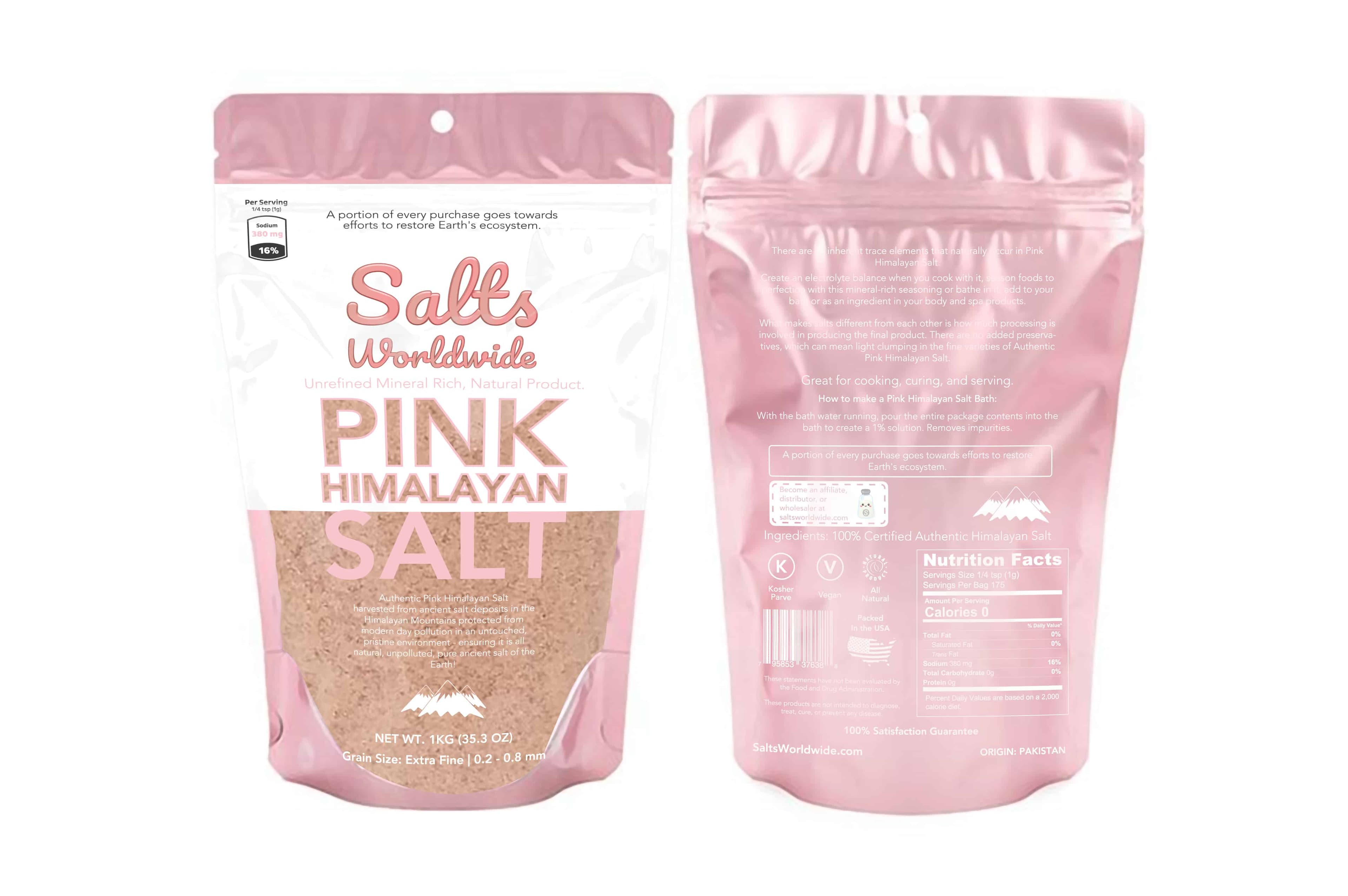
Himalayan Salt
Himalayan Salt
Warm, rose-hued crystals with a clean, mellow salinity — equally at home in a grinder for everyday seasoning or finishing a plate at the table.
From
$29.99
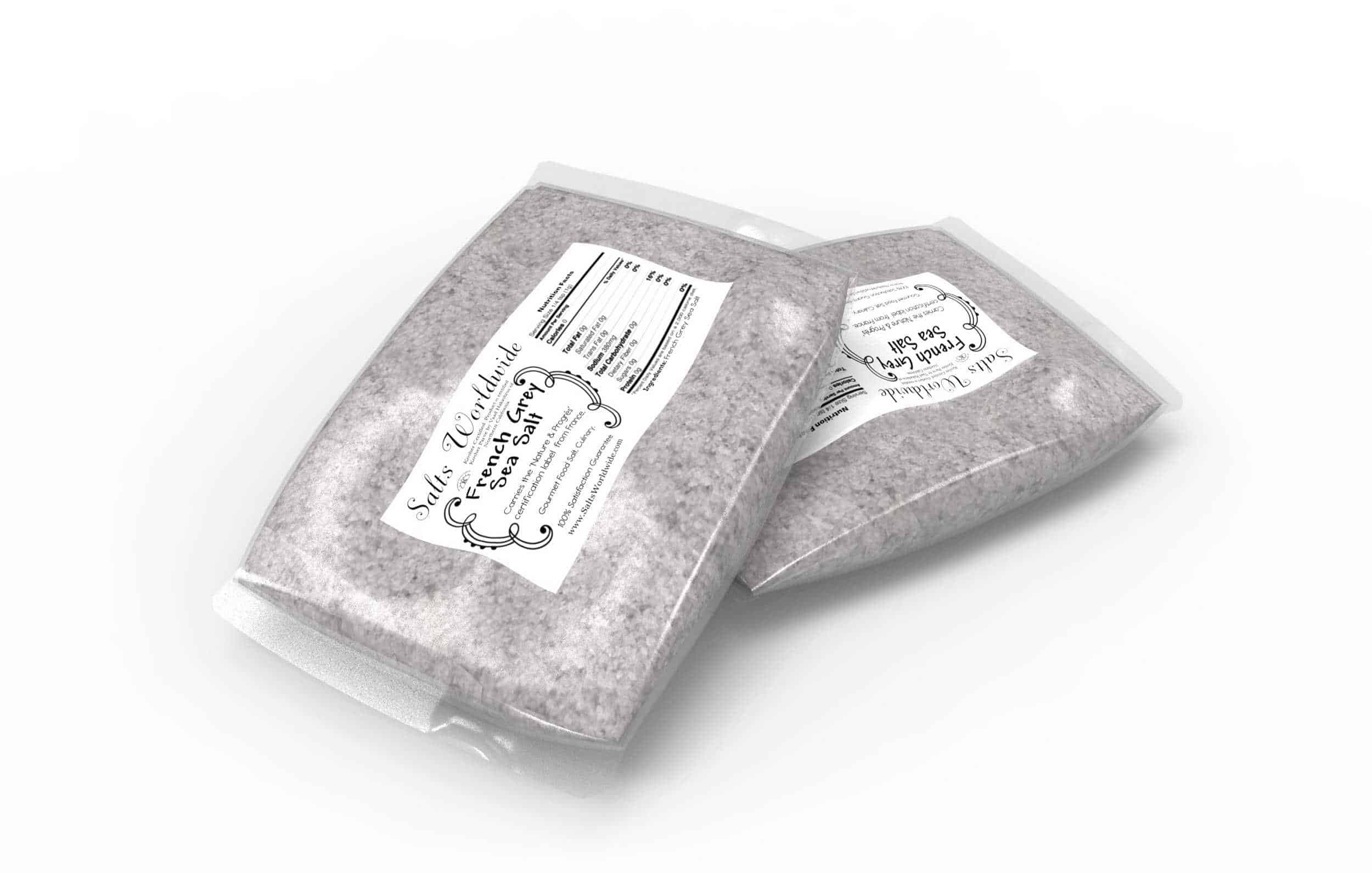
Naturally moist and mineral-forward, with a gentle briny finish that's equally good stirred into a pot or finished over the top.
This product remains browsable so customers can review the available size and pricing context while inventory is being restored.
Selected price
$5.35
French Grey Salt is temporarily out of stock. Online ordering will be enabled when inventory is available.
Himalayan Salt
Warm, rose-hued crystals with a clean, mellow salinity — equally at home in a grinder for everyday seasoning or finishing a plate at the table.
From
$29.99
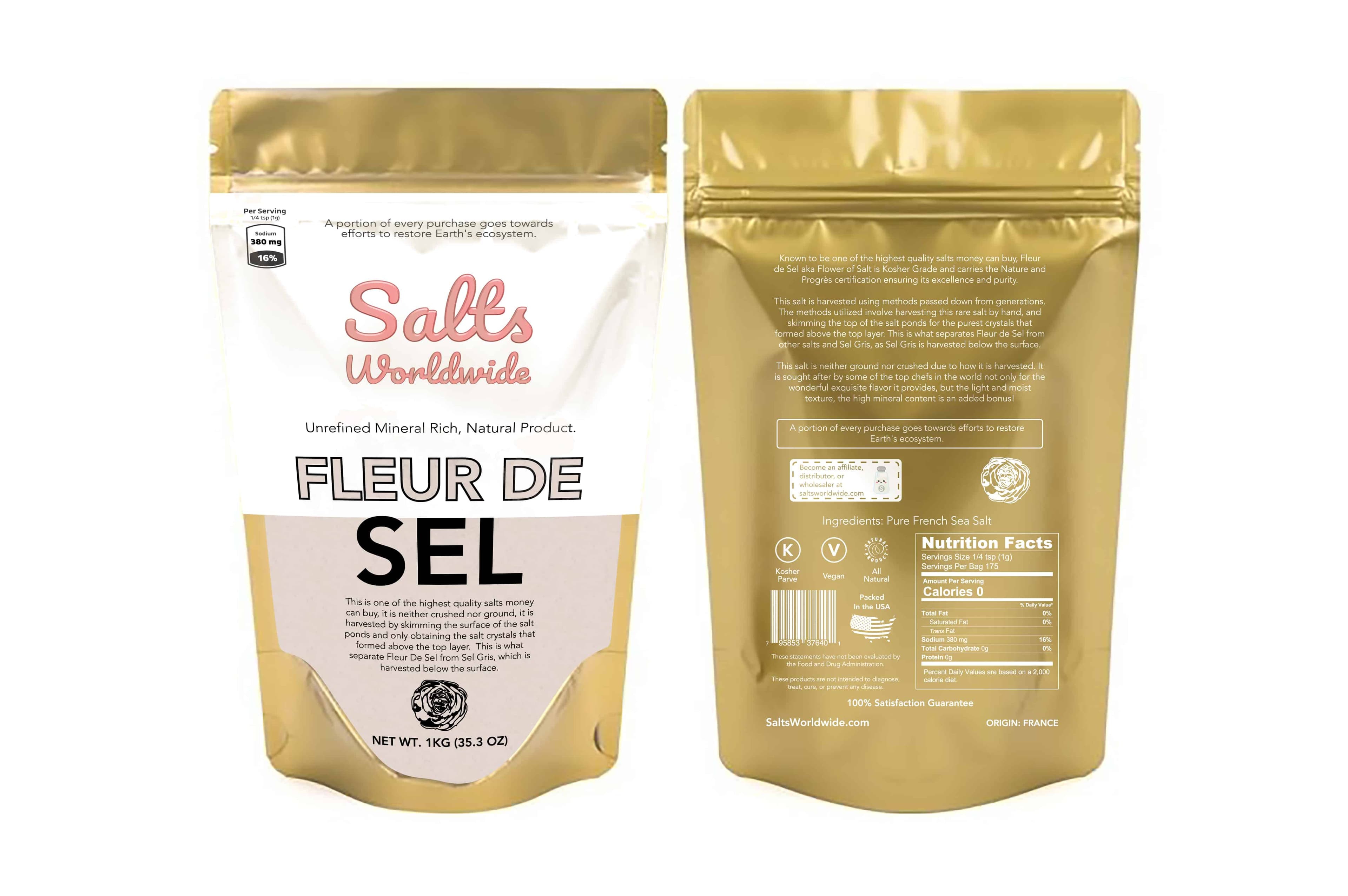
Fleur de Sel
Hand-harvested in delicate flakes from the surface of the salt pans, with the gentle crunch and bright pop of flavor a finished dish is made for.
From
$44.99
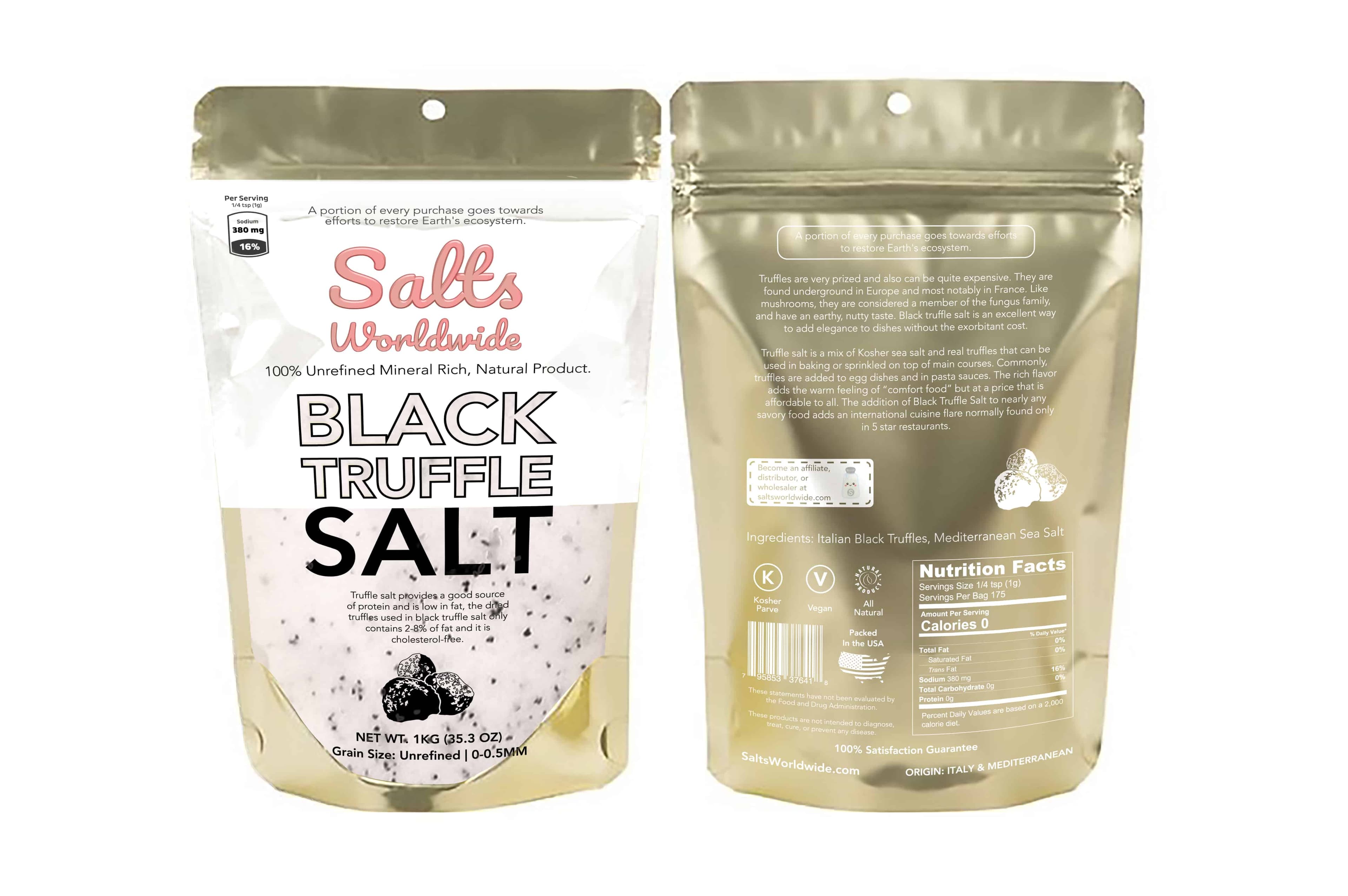
Black Truffle Salt
Earthy, aromatic, and unmistakably truffle — a pinch turns simple pasta, eggs, or potatoes into something worth slowing down for.
From
$54.99
French Grey Salt is a moist sea salt traditionally associated with the Atlantic salt marshes of western France, especially areas such as Guérande. Its grey color comes from contact with the clay-lined salt beds where seawater evaporates and salt crystals form. Unlike bright white refined salt, French Grey Salt keeps a rustic appearance, natural moisture, and a briny flavor that connects it closely to its salt-marsh origin.
This is a practical salt for cooks who like texture. It can be used during cooking, in a salt cellar, or as a finishing accent depending on the grain size. The crystals are usually denser and moister than delicate flakes such as Fleur de Sel. That means French Grey Salt can move between prep and table more easily: it is distinctive enough to finish a dish, but sturdy enough for everyday seasoning.
The flavor is briny, mineral, and rounded. It works beautifully with vegetables, seafood, roast chicken, potatoes, eggs, bread, butter, and simple salads. Because it is not perfumed or smoky, it fits into many cuisines without pulling the dish in a narrow direction.
French Grey Salt is used for cooking, finishing, and table seasoning. In the kitchen, it can season roasted vegetables, meats, stocks, soups, sauces, and grains. At the table, a small pinch can finish tomatoes, radishes, buttered bread, steamed fish, or grilled vegetables with a soft mineral crunch.
Coarse French Grey Salt is especially useful in a salt cellar because the crystals are easy to pinch. Fine or crushed grades dissolve more quickly and are better for recipes where the salt needs to distribute evenly. If you use a very moist coarse salt in a grinder, check that the grinder is designed for damp sea salt; otherwise the mechanism may clog.
French Grey Salt also works well for cooks who want one salt that feels more expressive than plain table salt without becoming a specialty flavor. It can be the daily salt beside the stove and still look good on the table. For a more delicate finishing moment, use Fleur de Sel; for a broader cooking salt with French salt-marsh character, use French Grey Salt.
The defining features are moisture, grey color, and a briny mineral taste. The moisture helps the crystals cling to food and gives the salt a softer bite. The grey tone comes from the clay beds and natural salt-marsh environment, not from dye. Color may vary from batch to batch because it reflects the harvest and source conditions.
French Grey Salt contains sodium chloride as its main component, along with natural trace minerals from seawater and the salt-marsh setting. Those minerals influence appearance and subtle flavor, but the responsible way to compare salts is by culinary behavior: grain size, moisture, taste, and how much control the cook has when seasoning.
Store it in a covered jar or cellar. Because it is naturally moist, it may not pour like dry table salt. Use a spoon or fingers, keep it away from extra steam, and choose a container that makes pinching easy.
Use a pinch during cooking when you want briny depth, then taste again before serving. In soups and sauces, add it gradually because liquid reduction can concentrate salinity. In roasted dishes, salt before cooking for even seasoning, then finish with a few visible crystals if the dish benefits from texture.
For vegetables, toss with oil and a modest pinch before roasting. For fish, season lightly and finish with lemon, olive oil, and a few grains at the table. For bread and butter, sprinkle a tiny amount over softened butter just before serving. For salads, add it after dressing so the salt can cling to the surface rather than falling to the bottom of the bowl.
If substituting it for kosher salt, use weight when accuracy matters. Moist coarse crystals do not measure the same way as dry flakes. In everyday cooking, start with less, taste, and adjust.
French Grey Salt is a good choice when you want a salt that feels traditional, tactile, and useful beyond a single finishing moment. It can sit beside the stove in a cellar for pinching, move to the table for bread and vegetables, and still season a pot of beans or soup when the grain size is right. That flexibility is different from Fleur de Sel, which is best saved for the final surface of a dish.
The moisture is part of the experience. It gives the crystals a soft, almost clay-like grip between the fingers and helps them cling to food. It also means the salt will not behave like a dry shaker salt. If you prefer a shaker, choose a dry fine salt. If you prefer to season by hand, French Grey Salt can be satisfying because you can feel how much you are adding.
Use it with foods that welcome briny depth: seafood, roast chicken, potatoes, white beans, lentils, butter, eggs, tomatoes, cucumbers, and grilled vegetables. A pinch over warm bread with olive oil can show the salt's character without needing a complicated recipe. For batch cooking, add gradually and taste near the end, especially if the dish includes salty ingredients such as olives, capers, cheese, or cured meats.
When comparing sizes, consider how you cook. Smaller jars suit table finishing and first-time shoppers. Larger bags suit frequent cooks, refill jars, and households that use salt cellars instead of shakers. Keep a dedicated spoon nearby if you want to avoid wet fingers in the container.
French Grey Salt is also a useful teaching salt for home cooks. Because the grains are easy to feel, it encourages seasoning by hand, tasting, and adjusting in stages. That tactile feedback can make cooking feel less mechanical than shaking salt from a closed container.
French grey sea salt is good for cooking, finishing, salt cellars, roasted vegetables, seafood, eggs, bread, and simple table seasoning. It offers briny flavor, natural moisture, and rustic texture.
They are closely related in shopper language but not always identical. Celtic Sea Salt is a known style and brand-associated term, while French grey salt describes moist grey sea salt often linked to French salt marshes.
French grey salt gets its color from contact with clay-lined salt beds and the natural salt-marsh environment. The color is part of its source identity and can vary slightly by harvest.
French gray coarse salt is a larger-grain version of moist French grey sea salt. It is useful in a salt cellar, for cooking, and for finishing foods where a little texture is welcome.
There is no single healthiest salt for every person. French grey salt is chosen for flavor, moisture, texture, and origin, while sodium still matters in overall cooking habits.
It depends on the dish. French grey salt is moist, briny, and sea-derived, while pink Himalayan salt is dry, pink, and mined. Choose French grey salt for salt-marsh character and Himalayan salt for a dry grinder-friendly crystal.
French grey salt can be part of normal cooking, but it is still salt. Use it for flavor and texture, and follow individualized guidance if you need to watch sodium.
We use analytics cookies to understand how the site is used. See our Privacy Policy.