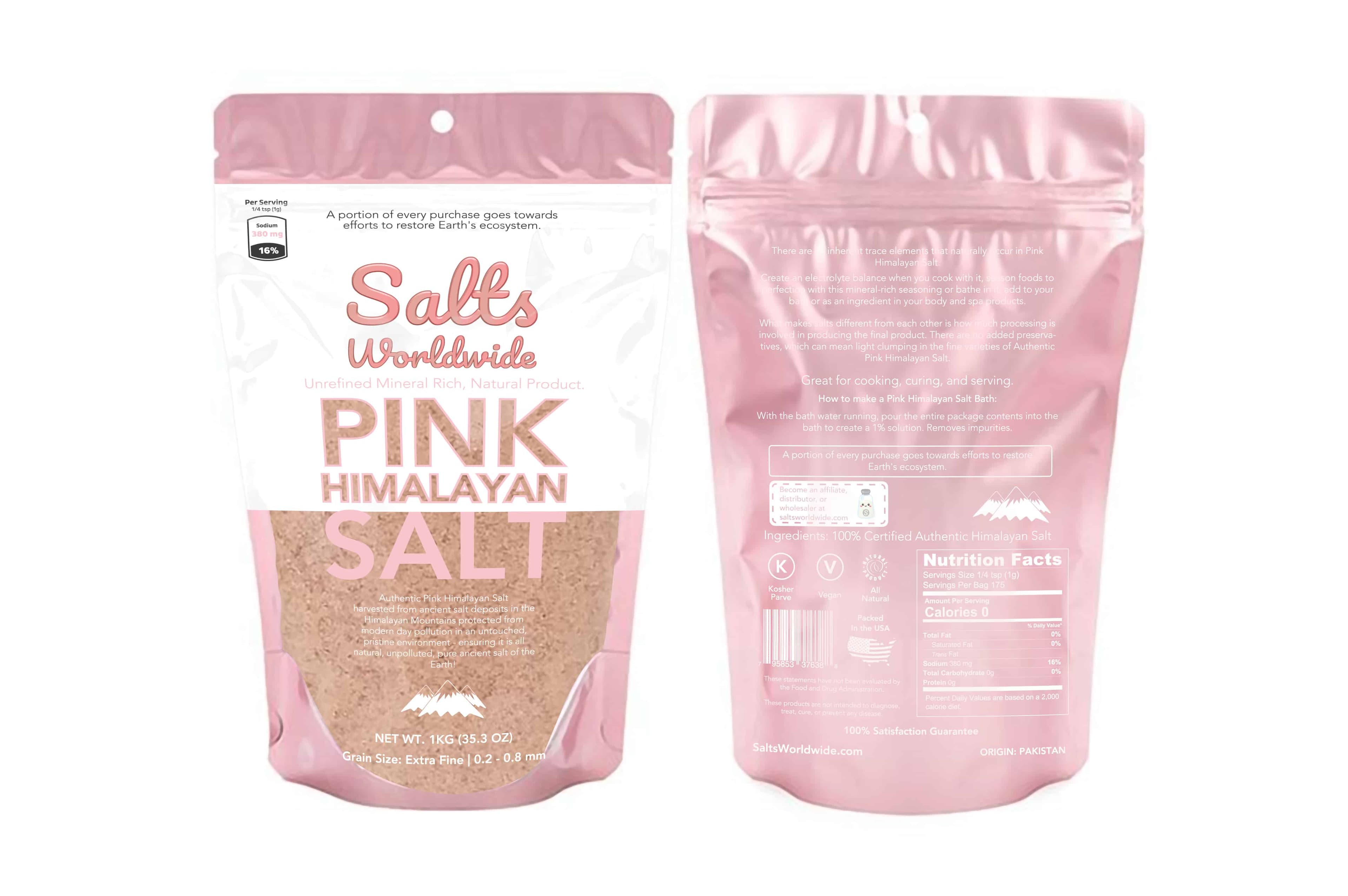
Himalayan Salt
Himalayan Salt
Warm, rose-hued crystals with a clean, mellow salinity — equally at home in a grinder for everyday seasoning or finishing a plate at the table.
From
$29.99
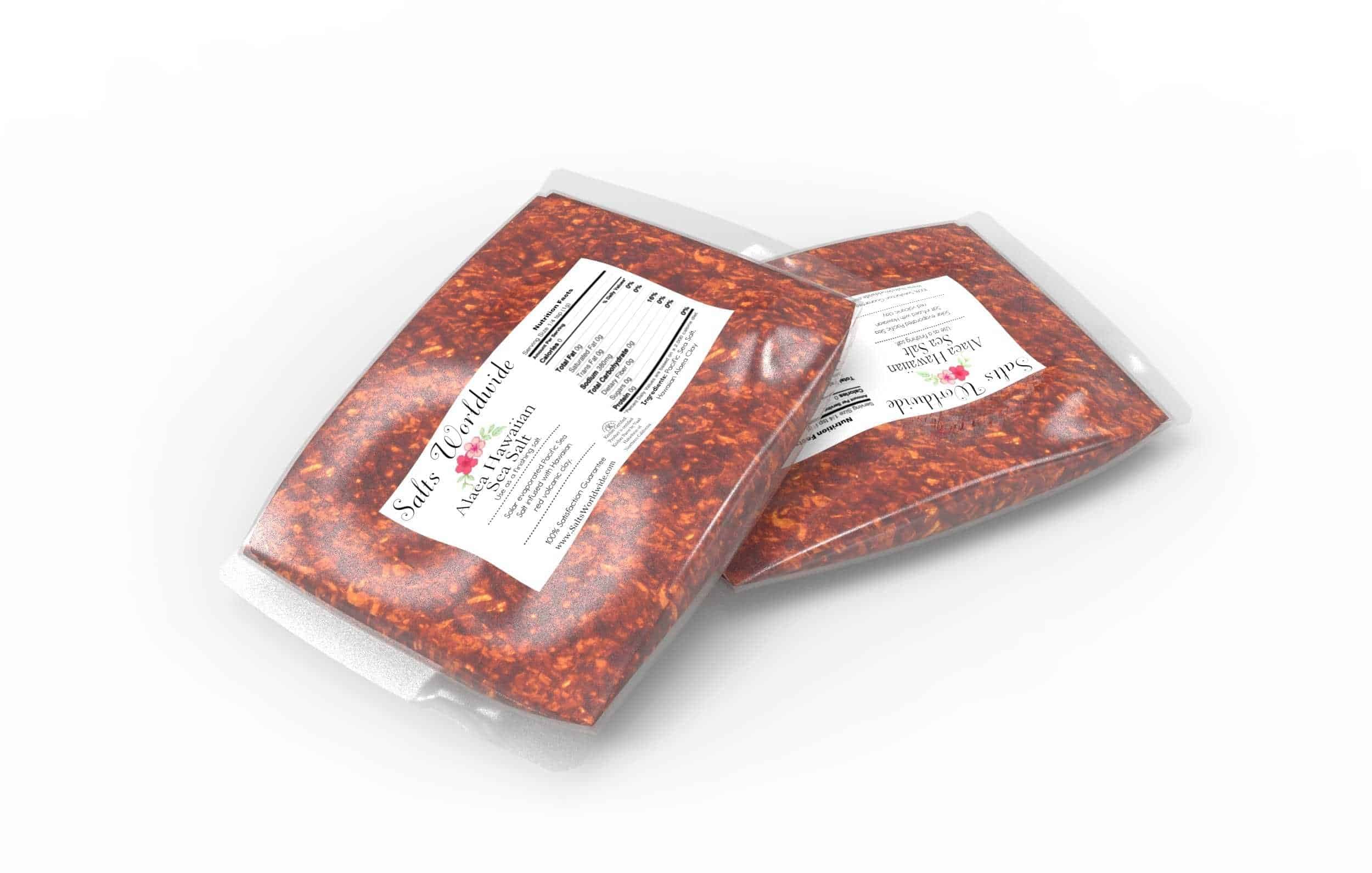
Deep red-hued and mineral-rich, this finishing salt adds both color and character to roasted vegetables, proteins, and the table itself.
This product remains browsable so customers can review the available size and pricing context while inventory is being restored.
Selected price
$5.35
Red Salt is temporarily out of stock. Online ordering will be enabled when inventory is available.
Himalayan Salt
Warm, rose-hued crystals with a clean, mellow salinity — equally at home in a grinder for everyday seasoning or finishing a plate at the table.
From
$29.99
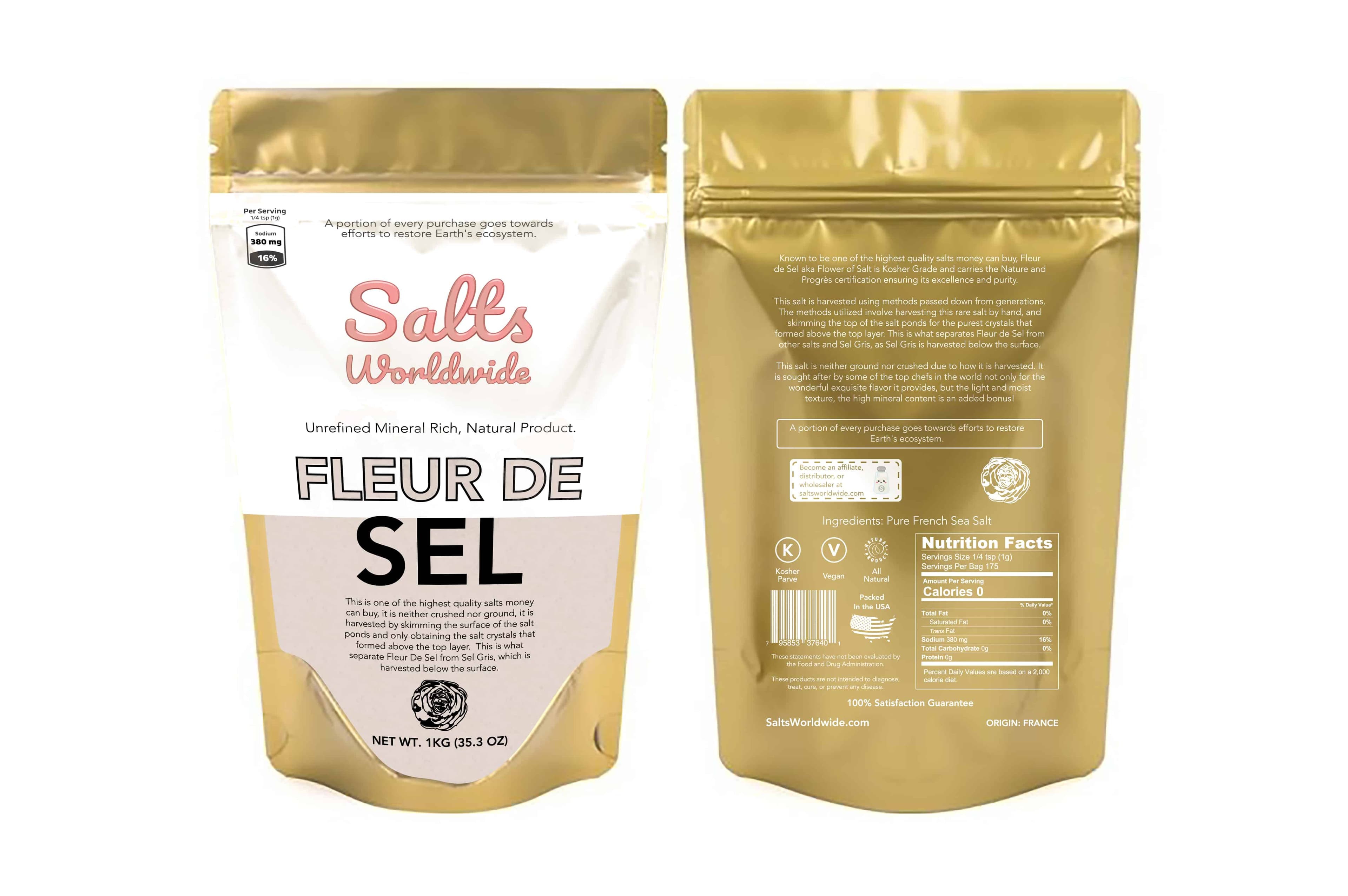
Fleur de Sel
Hand-harvested in delicate flakes from the surface of the salt pans, with the gentle crunch and bright pop of flavor a finished dish is made for.
From
$44.99
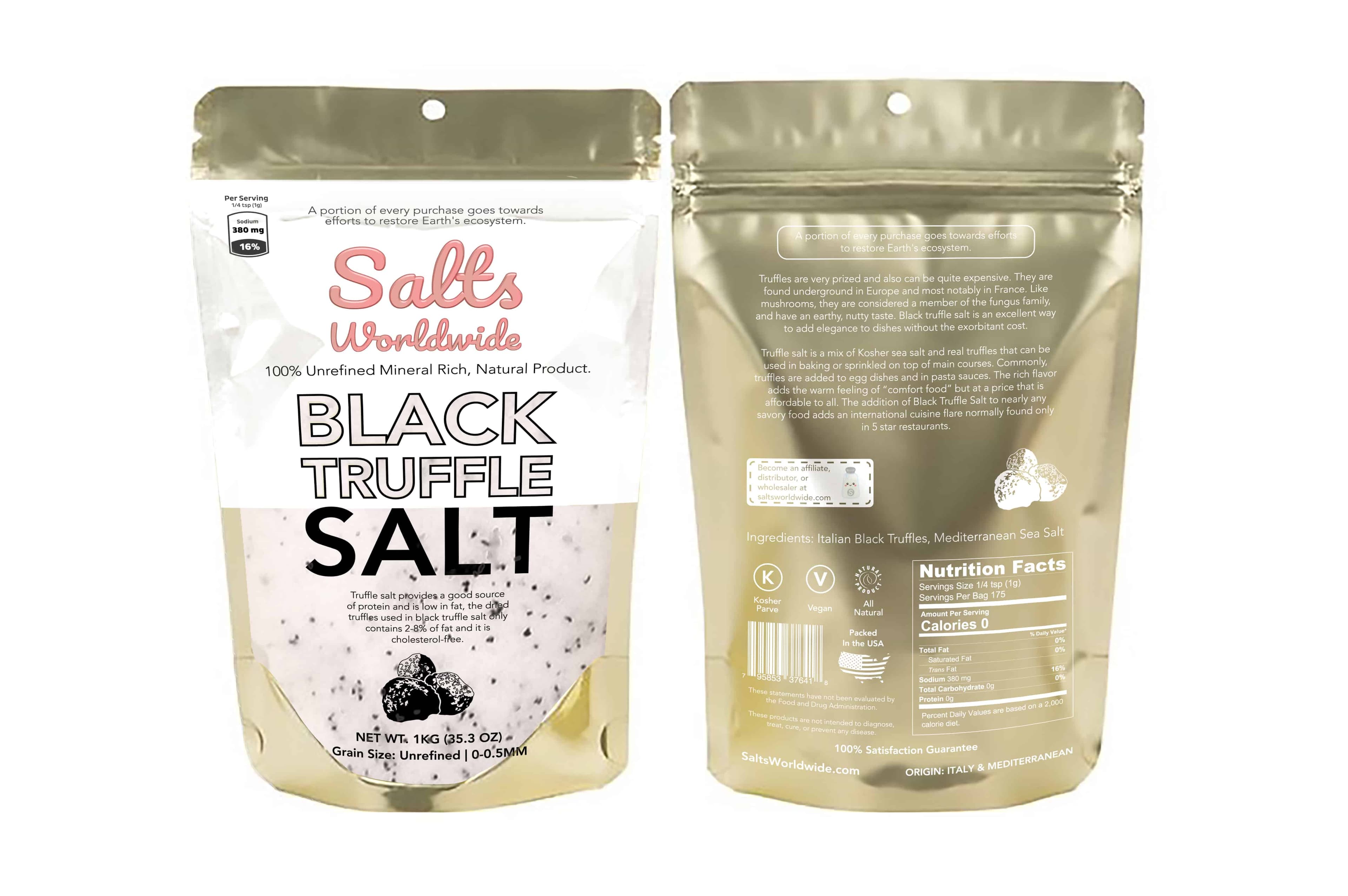
Black Truffle Salt
Earthy, aromatic, and unmistakably truffle — a pinch turns simple pasta, eggs, or potatoes into something worth slowing down for.
From
$54.99
Red Salt is best known through alaea-style Hawaiian salt, a sea salt traditionally associated with red volcanic clay. The clay gives the salt its brick-red to terracotta color and a subtle earthy character. On the table, that color is the first thing people notice. It makes roasted vegetables, grilled proteins, rice bowls, and cocktail rims look finished with very little effort.
The flavor is salty, mineral, and gently earthy rather than smoky or spicy. That makes it versatile. It can work as a finishing salt, a rub component, or a table salt when the dish benefits from color. A pinch on pale foods such as rice, fish, potatoes, eggs, or buttered bread creates immediate contrast.
Red Salt has cultural history, so it deserves careful handling. Use it with respect for its origin and culinary context. It is a distinctive seasoning, not a wellness shortcut. Its value here is color, source story, mineral character, and the way it helps simple food look more intentional.
Red Salt is used for finishing, grilling, roasting, rubs, marinades, and table presentation. It is a strong match for pork, chicken, fish, roasted sweet potatoes, squash, rice, poke-inspired bowls, avocado, eggs, and grilled fruit. It also works well as a cocktail rim salt when the drink can handle an earthy mineral edge.
For cooking, use it where the color and mineral tone will be welcome. In a dry rub, combine it with pepper, garlic, citrus zest, smoked paprika, or herbs. On roasted vegetables, season lightly before cooking, then finish with a few grains after they come out of the oven. On rice or grains, add a small pinch at the table so the color remains visible.
Red Salt can also be used in simple presentation moments: a small bowl beside grilled food, a rim for a margarita variation, or a final sprinkle over butter and bread. Because the color is part of the experience, avoid hiding it inside recipes where it dissolves completely unless the flavor is the goal.
Red Salt tastes salty, mineral, and lightly earthy. It is not usually hot, sweet, or heavily aromatic. The red color comes from mineral-rich clay in alaea-style salts, and that clay can give the crystals a matte, natural look. Texture may range from fine grains to coarse finishing crystals.
The mineral story is visual and culinary. Red clay contributes color and subtle character, while sodium chloride remains the main seasoning component. A responsible product page should not turn the mineral profile into a body claim. Instead, evaluate the salt by how it performs: color, grain size, flavor, and how evenly it seasons.
Store Red Salt in a dry container. The color can transfer to damp surfaces, so use a spoon or clean dry fingers. If using it for a cocktail rim, wipe the glass edge neatly and apply only as much as the drink needs.
For proteins, season before cooking with a measured amount, then finish lightly after slicing if you want the color to show. For vegetables, toss with oil and a small pinch, roast until browned, and add another tiny pinch at the end. For rice bowls, finish individual bowls rather than salting the entire pot heavily.
For cocktails, test the salt with the drink before committing to a full rim. A half rim or small side pinch lets each person choose how much salt they want. For butter boards, bread service, or sliced tomatoes, use Red Salt as a visible accent and keep the rest of the seasoning simple.
If substituting Red Salt for another salt, consider both texture and color. Fine red salt will distribute quickly; coarse red salt will land as visible crystals. Start small, taste, and let the color do part of the work.
Red Salt is useful when a dish benefits from a visible final accent. A neutral white salt seasons food but disappears visually; Red Salt becomes part of the presentation. That makes it especially helpful for simple meals where the ingredients are recognizable and the final plate needs only one distinctive touch.
Use it with foods that can carry an earthy mineral note: grilled chicken, pork, salmon, shrimp, roasted sweet potatoes, squash, rice, pineapple, avocado, eggs, and tomatoes. It also pairs well with citrus, ginger, garlic, scallions, chili, and brown sugar in dry rubs or marinades. For a simple side dish, roast carrots or sweet potatoes with oil, season lightly, then finish with a few red grains and lime zest.
Compared with Himalayan Salt, Red Salt is usually more dramatic on the plate. Compared with Black Salt, it is less savory-aromatic and more earthy-visual. Compared with Fleur de Sel, it is less delicate but more colorful. That makes it a good choice for cooks who want a specialty salt that still feels approachable.
When buying Red Salt, consider grain size and container. Fine grains work in rubs and marinades. Coarse grains look better as a final sprinkle or cocktail rim. If you plan to use it at the table, choose a jar that opens easily and keeps the salt dry. Because the color can transfer when damp, use clean dry fingers or a small spoon and wipe serving surfaces after use.
Set out Red Salt with grilled foods so each person can add a final pinch. It works well beside sliced steak, chicken thighs, roasted fish, and vegetable skewers. For brunch, use it on eggs, avocado, potatoes, or tomato toast. For snacks, try it on popcorn with butter and smoked paprika, or on roasted nuts with a little citrus zest.
For drinks, use a partial rim rather than coating the entire glass. A partial rim gives color and choice without making every sip salty. Red Salt can also be placed in a tiny side dish with lime wedges for guests who want to adjust their own glass.
For pantry planning, keep Red Salt where you can see it. A specialty salt that stays hidden in the back of a cabinet rarely gets used. Place it beside grill seasonings, cocktail tools, or finishing oils so it becomes part of the meals where its color and texture make sense.
Alaea-style red salt is used for finishing, rubs, roasted vegetables, proteins, rice bowls, table seasoning, and cocktail rims. Its red color and earthy mineral tone are the main culinary draws.
No. Alaea-style salt is a sea salt associated with red volcanic clay, while Himalayan salt is a mined pink salt. They differ in origin, color, texture, and culinary presentation.
Yes, it can taste subtly earthy and mineral compared with a plain white salt. The difference is usually gentle, so texture and color are often just as important as flavor.
Alaea-style salt is traditionally made by combining sea salt with red alaea clay, which gives the salt its distinctive red color and earthy character.
There is no single healthiest salt. Red salt is chosen for color, origin, and culinary use, while sodium intake still depends on how much salt is used overall.
Alaea-style salt can be part of normal cooking, but it is still salt. Use it for flavor and presentation, and follow personal sodium guidance when needed.
We use analytics cookies to understand how the site is used. See our Privacy Policy.