Discovering Egg Cups: Their British Origins, Cooking Tips, and Delicious Recipes for Soft Boiled and Muffin Varieties
Key Takeaways Egg cups have rich British origins and enhance the experience of enjoying soft-boiled eggs. Master essential cooking techniques for perfect soft-boiled eggs and baked egg muffins. Utilize egg cups for healthy meal prep, aiding in weight loss with nutritious egg muffin recipes. Explore the cultural significance of egg cups as both functional and [...]
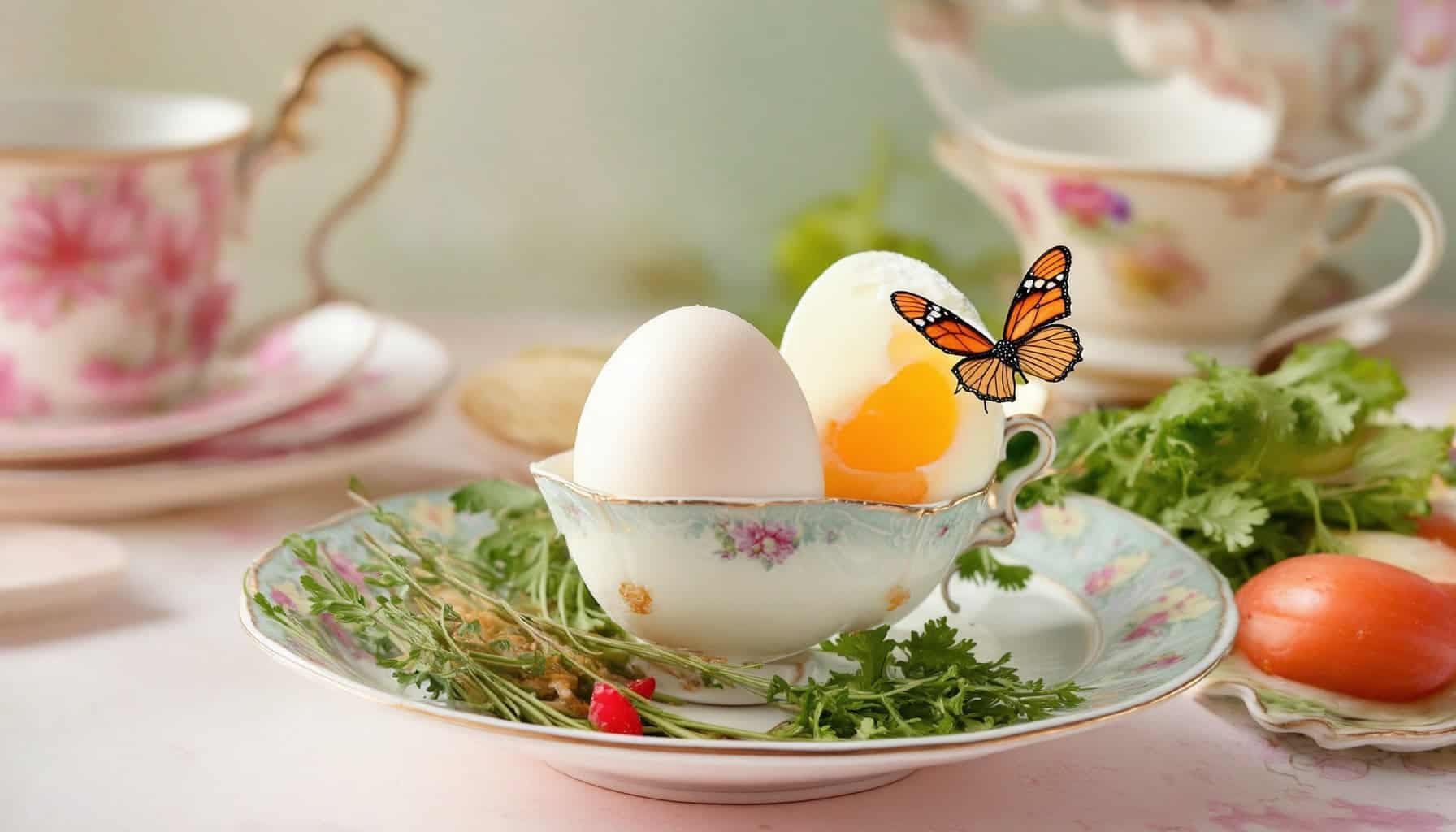
Key Takeaways
- Egg cups have rich British origins and enhance the experience of enjoying soft-boiled eggs.
- Master essential cooking techniques for perfect soft-boiled eggs and baked egg muffins.
- Utilize egg cups for healthy meal prep, aiding in weight loss with nutritious egg muffin recipes.
- Explore the cultural significance of egg cups as both functional and decorative items in breakfast traditions.
- Experiment with diverse materials like ceramic and glass for a personalized touch in your breakfast routine.
Welcome to our exploration of egg cups, a delightful culinary innovation that has captured the hearts of breakfast enthusiasts around the world. In this article, we will delve into the rich British origins of egg cups, uncovering their cultural significance and evolution over time. We’ll also provide essential cooking tips for achieving the perfect soft boiled egg in an egg cup, alongside a variety of delicious recipes, including egg muffins and creative serving ideas. Whether you're curious about the health benefits of egg cups for weight loss or looking for fun ways to engage kids with breakfast, this guide will equip you with everything you need to know. Join us as we crack open the world of egg cups and discover how they can elevate your morning routine!
What is the point of an egg cup?
An egg cup, also known as an egg server, is a specialized piece of tableware designed to serve and hold boiled eggs in their shells. The primary purpose of an egg cup is to provide stability and support for the egg while allowing easy access for consumption. This makes it an essential item for anyone who enjoys soft-boiled eggs, as it enhances the overall dining experience.
Key Features of Egg Cups
- Design: Egg cups typically have an upwardly concave portion that securely cradles the egg, preventing it from tipping over. The flat-bottomed base ensures stability on the table.
- Material: Egg cups can be made from various materials, including ceramic, glass, metal, and plastic. Each material offers different aesthetic and functional qualities, catering to diverse dining preferences.
- Cultural Significance: In many cultures, egg cups are not just functional items but also serve as decorative pieces. They can be found in various designs, from simple and utilitarian to ornate and artistic, reflecting the cultural heritage of the region.
- Usage: Egg cups are commonly used for serving soft-boiled eggs, allowing diners to tap the top of the egg to open it easily. This method enhances the dining experience by providing a neat and elegant way to enjoy eggs.
- Historical Context: The use of egg cups dates back to at least the 18th century, with various styles evolving over time. They have become a staple in breakfast settings, particularly in European countries.
In summary, egg cups serve both practical and aesthetic purposes, enhancing the experience of enjoying boiled eggs. Their design and material choices reflect cultural significance and personal style, making them a beloved item in many households. For more information on the history and variety of egg cups, you can refer to resources like the Museum of Modern Art or culinary history texts.
Egg Cups for Weight Loss
Egg cups can be a valuable tool in a weight loss journey, particularly when used to prepare healthy meals like egg muffins. These versatile dishes allow for portion control and can be packed with nutritious ingredients. By using an egg muffin cup recipe, you can create balanced meals that include proteins, vegetables, and healthy fats, all while keeping calorie counts in check.
Incorporating egg cups into your meal prep can streamline your cooking process. For instance, baking eggs in muffin tins allows for easy batch cooking, making it simple to grab a healthy breakfast on busy mornings. Additionally, egg muffins with veggies or cottage cheese can provide essential nutrients while being low in calories, making them an excellent choice for anyone looking to lose weight.

Are Egg Cups a British Thing?
Egg cups are indeed a quintessential aspect of British breakfast culture. Traditionally, they are used to serve soft-boiled eggs, which are a beloved breakfast item in the UK. The practice of using egg cups dates back to the 18th century, highlighting their long-standing significance in British culinary traditions.
Soft-boiled eggs, typically cooked for about 4 to 6 minutes, are served in these specially designed cups to keep them upright and allow for easy access. This method not only enhances the dining experience but also preserves the delicate texture of the egg, making it a favorite among many.
In addition to their traditional use, egg cups have evolved in design and material, ranging from classic porcelain to modern, quirky styles. They are often seen as a charming addition to breakfast tables, reflecting personal taste and style.
Eggs can add protein and richness to breakfast; portion and meal choices depend on individual dietary needs.
In summary, egg cups are not just a British thing; they represent a delightful tradition that enhances the enjoyment of a classic breakfast staple. Their role in British culture is both practical and aesthetic, making them a must-try for anyone looking to experience authentic British cuisine.
Egg Cups Breakfast
When it comes to breakfast, egg cups play a pivotal role in serving soft-boiled eggs, but their versatility extends beyond this traditional use. They can also be utilized for various egg-based dishes, such as baked eggs or even creative egg muffins. The charm of egg cups lies in their ability to elevate simple dishes into delightful presentations, making breakfast not only nutritious but also visually appealing.
For those looking to explore different breakfast options, consider using egg cups for serving Himalayan salt seasoned baked eggs or Dead Sea salt infused egg muffins. These unique flavor profiles can enhance the overall breakfast experience, providing a gourmet touch to your morning routine.
Egg Cups in Muffin Tin
Using muffin tins to create egg cups is a popular trend that allows for batch cooking and meal prep. This method involves pouring beaten eggs into muffin cups, along with various ingredients like vegetables, cheese, or meats, and baking them until set. The result is a convenient and portable breakfast option that can be enjoyed on the go.
Egg muffins made in a muffin tin are not only easy to prepare but also customizable to suit different dietary preferences. For instance, you can create Fleur de Sel topped veggie egg muffins or savory bacon egg muffins, making them a hit for both adults and kids alike. This approach to breakfast not only saves time but also ensures that you have a nutritious meal ready to go, perfect for busy mornings.
Cooking Techniques for Egg Cups
When it comes to preparing delicious egg cups, mastering the cooking techniques is essential for achieving the perfect texture and flavor. Whether you prefer soft-boiled eggs or baked variations, understanding the best methods will elevate your egg cup experience.
Best Methods for Cooking Eggs in Cups
There are several effective methods for cooking eggs in cups, each offering unique results:
- Soft-Boiling: To create a soft-boiled egg cup, place eggs in a pot of boiling water and cook for 4 to 5 minutes. This method yields a runny yolk, ideal for dipping toast soldiers.
- Baking: For baked egg cups, preheat your oven to 350°F (175°C). Grease your muffin tin and pour in beaten eggs mixed with your favorite ingredients, such as veggies or cheese. Bake for 15 to 20 minutes until set.
- Air Frying: Air fryer egg cups are a quick and healthy option. Preheat the air fryer to 270°F (130°C), pour your egg mixture into silicone cups, and cook for about 10 to 12 minutes.
Each method has its advantages, so feel free to experiment to find your favorite style of egg cups!
Tips for Perfect Soft Boiled Eggs
Achieving the perfect soft-boiled egg in an egg cup requires precision. Here are some tips to ensure success:
- Use fresh eggs for the best results.
- Start with room temperature eggs to ensure even cooking.
- After boiling, immediately place the eggs in cold water for a minute to halt the cooking process.
- Season with high-quality salts, such as Himalayan salt or Fleur de Sel, to enhance the flavor.
For more delicious egg cup recipes, consider trying variations like egg muffins with cottage cheese or bacon and egg muffin cups. These options not only provide great taste but also incorporate nutritious ingredients for a balanced meal.
Cooking Techniques for Egg Cups
When it comes to preparing delicious egg cups, mastering the right cooking techniques is essential. Whether you're aiming for perfectly soft-boiled eggs or baked egg muffins, understanding the best methods can elevate your culinary experience. Here are some effective techniques to consider:
Best Methods for Cooking Eggs in Cups
- Soft Boiling: To achieve the ideal soft-boiled egg cup, bring a pot of water to a gentle boil. Carefully place the eggs in their cups and lower them into the water. Cook for about 6-7 minutes for a runny yolk. Remove and cool in ice water for a minute before serving.
- Baking: For baked egg cups, preheat your oven to 350°F (175°C). Grease your muffin tin and pour in beaten eggs mixed with your choice of ingredients, such as veggies or cheese. Bake for 15-20 minutes until set. This method is perfect for creating egg muffins, which can be customized with various fillings.
- Air Frying: An air fryer can also be a great tool for cooking egg cups. Preheat the air fryer to 270°F (130°C), pour your egg mixture into silicone muffin cups, and cook for about 10-12 minutes. This method yields fluffy and evenly cooked egg muffins.
Tips for Perfect Soft Boiled Eggs
- Freshness Matters: Use the freshest eggs possible for the best flavor and texture. Fresh eggs will hold their shape better when cooked.
- Timing is Key: Keep a close eye on the cooking time. A minute too long can turn a soft-boiled egg into a hard-boiled one.
- Cooling Technique: After boiling, immediately transfer the eggs to an ice bath. This stops the cooking process and makes peeling easier.
- Seasoning: Enhance the flavor of your soft-boiled eggs by sprinkling them with gourmet salts, such as Himalayan salt or Fleur de Sel, available at Salts Worldwide.

How Do You Eat an Egg from an Egg Cup?
To eat an egg from an egg cup, follow these steps for an enjoyable experience:
- Place the Egg: Position the soft-boiled egg in the egg cup with the wider end facing down. This helps stabilize the egg while you prepare to eat.
- Crack the Top: Using a spoon or a small knife, gently tap the top of the egg to create a crack. Be careful not to apply too much force, as you want to avoid breaking the shell completely.
- Open the Egg: Once cracked, you can either lift off the top of the eggshell or use the spoon to scoop out the egg. The goal is to access the delicious, runny yolk inside.
- Season to Taste: For added flavor, season the egg with a pinch of salt and pepper. This enhances the taste and complements the creamy yolk.
- Dip Toast Soldiers: A popular way to enjoy soft-boiled eggs is by dipping thin strips of toast, known as "soldiers," into the runny yolk. To make soldiers, simply cut toasted bread into strips that can easily be dipped.
- Enjoy with Care: Eating a soft-boiled egg can be a delightful experience. Take your time to savor the flavors and textures, and consider pairing it with a light salad or fresh fruit for a balanced meal.
Soft Boiled Egg Cups
Soft boiled egg cups are designed specifically for serving soft-boiled eggs, ensuring they remain upright and stable. These cups come in various materials, including ceramic, glass, and plastic, each offering a unique aesthetic and functionality. The classic design often features a wide base and a snug fit for the egg, making it easy to enjoy your breakfast.
For those looking to experiment, consider using Himalayan salt to season your soft-boiled eggs, enhancing their flavor with a touch of mineral richness. This can elevate your breakfast experience, making it not just delicious but also nutritious.
Egg Cups with Cottage Cheese
Egg cups with cottage cheese provide a nutritious twist to your breakfast routine. Combining protein-rich eggs with creamy cottage cheese creates a satisfying dish that is perfect for meal prep. To make this dish, simply whisk together eggs and cottage cheese, season with salt and pepper, and pour the mixture into egg muffin cups. Bake until set for a delicious and healthy breakfast option.
For more creative ideas, explore Dead Sea salt as a seasoning for your egg cups, adding a unique flavor profile that complements the dish beautifully.
What Kind of Eggs Are Served in Egg Cups?
Eggs served in egg cups are typically soft-boiled eggs, which are cooked to achieve a tender white and a runny yolk. This method of preparation allows for a delightful experience, as the egg can be easily scooped out of the shell with a spoon.
Types of Eggs
While soft-boiled eggs are the most common, you can also serve poached eggs in egg cups. Poached eggs are cooked in simmering water, resulting in a similar texture to soft-boiled eggs but without the shell.
Cooking Techniques
– **Soft-Boiling**: To achieve the perfect soft-boiled egg, bring a pot of water to a gentle boil, carefully add the eggs, and cook for about 6-7 minutes. Then, transfer them to an ice bath to stop the cooking process.
– **Poaching**: For poached eggs, crack the egg into a small bowl, create a gentle whirlpool in simmering water, and slide the egg in. Cook for about 3-4 minutes for a runny yolk.
Egg Cups: A Brief History
The history of egg cups dates back centuries, with their origins often linked to European dining traditions. Initially, they were designed to hold soft-boiled eggs, a popular breakfast choice among the upper classes. Over time, their use spread across various cultures, each adding unique styles and designs to the humble egg cup.
The Evolution of Egg Cups
Egg cups have evolved from simple ceramic designs to elaborate, decorative pieces made from various materials, including glass and metal. Today, they are available in countless styles, catering to both functional and aesthetic preferences.
Cultural Significance of Egg Cups
In many cultures, egg cups symbolize comfort and tradition. For instance, in France, they are often paired with crusty bread for dipping, while in the UK, a traditional breakfast might include soft-boiled eggs served in charming egg cups. This cultural significance highlights the enduring appeal of egg cups as a staple in breakfast cuisine.
For more delicious ideas, check out our [egg cups recipe variations](https://saltsworldwide.com/) and explore how to make the most of your egg cups with unique toppings and sides.
Egg cups: A Brief History
Egg cups have a rich history that dates back centuries, primarily associated with the British breakfast tradition. These small, often decorative cups were designed to hold soft-boiled eggs, allowing for a delightful dining experience. The earliest known egg cups appeared in the 18th century, crafted from materials such as porcelain and silver, reflecting the elegance of the time. Over the years, egg cups have evolved in design and functionality, becoming a staple in kitchens around the world.
The evolution of egg cups
Initially, egg cups were primarily used in Europe, particularly in Britain, where the tradition of soft-boiled eggs became popular. As culinary practices spread globally, egg cups began to appear in various forms, including ceramic, glass, and even silicone. Today, they are available in numerous designs, catering to both aesthetic preferences and practical needs. The introduction of modern materials has also led to the creation of microwave-safe and dishwasher-friendly options, making them more accessible for everyday use.
Cultural significance of egg cups
In many cultures, egg cups symbolize comfort and simplicity, often associated with family breakfasts and gatherings. They serve not only a functional purpose but also a decorative one, with many households displaying unique or vintage egg cups as part of their kitchen decor. The ritual of enjoying a soft-boiled egg from an egg cup has become a cherished tradition in various countries, reinforcing the idea that food is not just about sustenance but also about shared experiences and memories.