
Key Takeaways
- Granola’s Nutritional Value: Packed with oats, nuts, and seeds, granola can provide essential nutrients and fiber, promoting heart health and digestion.
- Watch the Calories: Granola is calorie-dense; serving sizes can range from 200 to 600 calories, so be mindful of portions.
- Limit Added Sugars: Many granolas contain high levels of added sugars; opt for low-sugar options or make your own to control sweetness.
- Fiber Matters: Choose granolas with at least 3 grams of fiber per serving for better digestion and satiety.
- Customization is Key: Personalize your granola with fresh fruits, yogurt, or nuts to enhance its nutritional profile and flavor.
- Homemade Advantage: Making granola at home allows you to use quality ingredients and tailor recipes to your dietary needs.
- Granola vs Muesli: Muesli is typically lower in calories and sugar, making it a healthier choice for weight management.
Welcome to our deep dive into the world of granola, a beloved breakfast staple that has sparked both enthusiasm and debate among health-conscious eaters. In this article, we will explore the essential question: Is granola healthy for you? We’ll uncover the nutritional benefits of granola, compare it to muesli, and dissect its ingredients to reveal what really goes into your favorite granola bar. Additionally, we’ll address common concerns about sugar content, offering low-sugar options for those looking to enjoy this crunchy treat guilt-free. Ever wondered how to make granola yourself? Our step-by-step guide will empower you to create your own delicious homemade granola recipe, tailored to your taste. We’ll also touch on the cultural significance of granola in Germany and evaluate popular brands like Nature Valley and Purely Elizabeth to help you make informed choices. Plus, we’ll introduce you to the innovative world of Granola AI, which can revolutionize your recipe-making experience. Join us as we unravel the truth about granola and discover how to enjoy it in a healthy, satisfying way!
Is granola healthy for you?
Granola can be a healthy option, but its nutritional value largely depends on its ingredients and portion size. Here are key points to consider:
The Nutritional Benefits of Granola
- Nutritional Benefits: Granola typically contains oats, nuts, seeds, and dried fruits, which provide essential nutrients. Oats are rich in fiber, particularly beta-glucan, which can help lower cholesterol levels and improve heart health (Slavin, 2013). Nuts and seeds are excellent sources of healthy fats, protein, and various vitamins and minerals.
- Caloric Density: While granola can be nutritious, it is also calorie-dense. Many commercial granolas add sugars and oils, which can significantly increase calorie content. A serving can range from 200 to 600 calories, depending on the brand and ingredients. It’s important to check the nutrition label and be mindful of portion sizes (Harvard T.H. Chan School of Public Health).
- Added Sugars: Many granolas contain added sugars, which can negate some health benefits. Opt for granolas with low or no added sugars, or consider making your own at home to control the ingredients and sweetness (American Heart Association).
- Fiber Content: Look for granolas that are high in fiber (at least 3 grams per serving). Fiber aids digestion and can help you feel fuller for longer, which is beneficial for weight management (Anderson et al., 2009).
- Whole Grains: Choose granolas that list whole grains as the first ingredient. Whole grains are linked to a lower risk of heart disease, type 2 diabetes, and certain cancers (USDA Dietary Guidelines).
- Customization: Granola can be easily customized. Adding fresh fruits, yogurt, or milk can enhance its nutritional profile. For example, pairing granola with Greek yogurt can increase protein intake, making it a balanced meal or snack.
In conclusion, granola can be a healthy addition to your diet when chosen wisely. Always read labels for added sugars and ingredients, and consider portion sizes to enjoy its benefits without excessive calories. For more information on healthy eating, refer to resources from the USDA and the Harvard T.H. Chan School of Public Health.
Granola vs Muesli: Which is Healthier?
When comparing granola and muesli, it’s essential to understand their differences in preparation and nutritional content. Here’s a breakdown:
- Ingredients: Granola is often baked with sweeteners and oils, resulting in a crunchy texture, while muesli is typically raw and consists of oats, nuts, seeds, and dried fruits without added sugars or oils.
- Caloric Content: Granola tends to be higher in calories due to added sugars and fats. Muesli, being less processed, usually has a lower caloric density, making it a better option for those watching their calorie intake.
- Fiber and Nutrients: Both granola and muesli can be high in fiber, but muesli often contains more whole grains and less sugar, which can be beneficial for digestive health.
- Customization: Both can be customized with various toppings and additions. However, muesli can be soaked overnight in milk or yogurt, enhancing its digestibility and nutrient absorption.
Ultimately, the choice between granola and muesli depends on personal preferences and dietary goals. For a healthier option, consider opting for muesli or a low-sugar granola recipe that aligns with your nutritional needs.
What is granola made of?
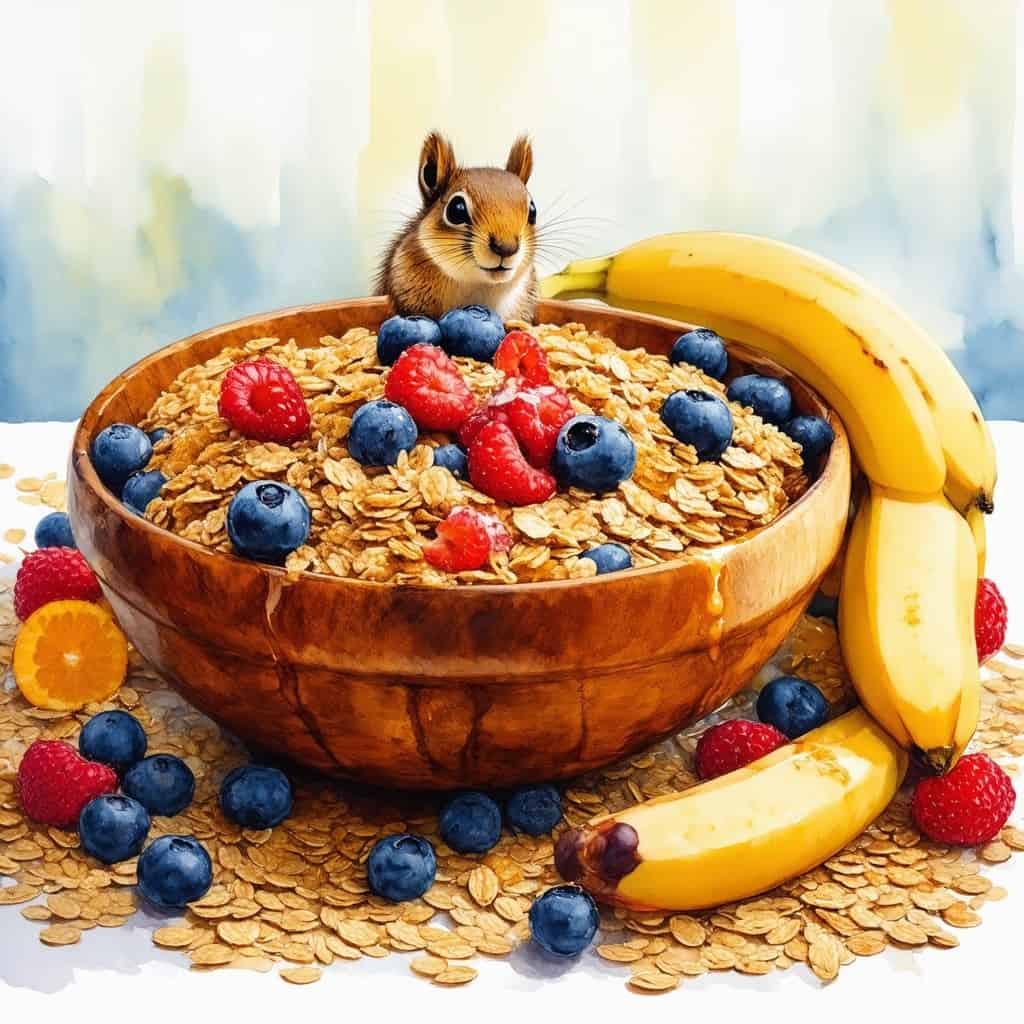
Granola is a popular breakfast and snack food that typically consists of a mixture of the following ingredients:
- Oats: The primary ingredient, rolled or whole oats provide a hearty base rich in fiber, which aids digestion and promotes satiety.
- Nuts and Seeds: Commonly included are almonds, walnuts, pecans, sunflower seeds, and pumpkin seeds. These ingredients add healthy fats, protein, and essential nutrients.
- Sweeteners: Natural sweeteners like honey, maple syrup, or agave nectar are often used to enhance flavor and help bind the ingredients together.
- Dried Fruits: Raisins, cranberries, apricots, or coconut flakes are frequently added for sweetness and additional texture, contributing vitamins and antioxidants.
- Spices: Ingredients such as cinnamon or vanilla extract can be included for flavor enhancement, providing potential health benefits like anti-inflammatory properties.
- Optional Additives: Some granola recipes may include chocolate chips, yogurt, or protein powders to cater to specific dietary preferences or enhance nutritional value.
Granola can be customized to suit various dietary needs, including gluten-free or vegan options, by selecting appropriate ingredients. The nutritional profile of granola can vary significantly based on the specific components used, making it essential to read labels or prepare it at home for better control over ingredients and added sugars. For those interested in making their own, granola selber machen is a great way to ensure quality and taste.
Common Ingredients in Granola Recipes
When crafting a granola recipe, the choice of ingredients plays a crucial role in determining its flavor and nutritional value. Here are some common ingredients found in granola recipes:
- Whole Grains: Besides oats, other grains like quinoa or puffed rice can be included for variety.
- Nut Butters: Almond or peanut butter can be added for creaminess and additional protein.
- Superfoods: Ingredients like chia seeds, flaxseeds, or hemp hearts can enhance the nutritional profile.
- Flavorings: Vanilla extract, cocoa powder, or even matcha can be used to create unique flavor combinations.
Experimenting with these ingredients can lead to delicious homemade granola bars or a crunchy granola cereal. For an easy granola recipe, consider starting with oats, nuts, and a natural sweetener, adjusting to your taste preferences.
How to Make Granola: A Step-by-Step Guide
Making granola at home is simple and allows for customization. Here’s a quick step-by-step guide:
- Preheat the Oven: Set your oven to 350°F (175°C).
- Mix Dry Ingredients: In a large bowl, combine oats, nuts, seeds, and spices.
- Add Wet Ingredients: Drizzle in your chosen sweetener and any nut butter, mixing until everything is evenly coated.
- Spread on a Baking Sheet: Line a baking sheet with parchment paper and spread the mixture evenly.
- Bake: Bake for 20-30 minutes, stirring occasionally until golden brown.
- Add Dried Fruits: Once cooled, mix in dried fruits for added sweetness and texture.
This homemade granola recipe can be tailored to your liking, whether you prefer a healthy granola or a more indulgent version. Enjoy your creation as a snack or breakfast option!
Is Granola Too High in Sugar?
Granola is often perceived as a healthy snack option, but its sugar content can be surprisingly high. Many store-bought granolas contain added sugars, fats, and preservatives, which can undermine their health benefits. Here’s a deeper look into the sugar content of granola and how to make healthier choices:
Understanding Sugar Content in Granola Bars
Many commercial granolas can contain upwards of 10 grams of sugar per serving, primarily from added sweeteners like cane sugar, honey, or maple syrup. Even “healthy” brands often use these sweeteners in large quantities, which can lead to excessive sugar intake. For instance, popular granola bars like Nature Valley may have higher sugar levels than expected. To make informed choices, always check the nutrition label for sugar content.
Healthy Granola Recipe: Low-Sugar Options
While homemade granola allows for better control over ingredients, it can still be high in sugar if recipes rely heavily on sweeteners. Opting for natural sweeteners in moderation, such as mashed bananas or unsweetened applesauce, can reduce sugar levels significantly. Here’s a simple homemade granola recipe to try:
- 2 cups rolled oats
- 1/2 cup nuts (almonds, walnuts, or pecans)
- 1/4 cup seeds (pumpkin or sunflower)
- 1/4 cup unsweetened coconut flakes
- 1/4 cup natural sweetener (like mashed bananas or a drizzle of honey)
- 1 teaspoon vanilla extract
- 1 teaspoon cinnamon
Mix all ingredients and bake at 350°F (175°C) for 20-25 minutes, stirring occasionally. This easy granola recipe provides a delicious, low-sugar alternative to store-bought options, allowing you to enjoy granola without the guilt.
In summary, while granola can be a nutritious option, it is essential to scrutinize the sugar content, choose wisely between homemade and store-bought varieties, and practice portion control to ensure it remains a healthy part of your diet.
Is Granola Just Oats?
Granola is not just oats; it is a complex mixture of various ingredients that typically includes oats, nuts, seeds, sweeteners, and sometimes dried fruits. Here’s a more detailed breakdown:
- Oats: The primary ingredient in granola, oats provide a good source of fiber, which aids digestion and promotes a feeling of fullness. They are often rolled or baked to enhance texture.
- Nuts and Seeds: Commonly added for their healthy fats, protein, and crunch, nuts (such as almonds, walnuts, or pecans) and seeds (like chia, flax, or pumpkin seeds) contribute essential nutrients and enhance the granola’s nutritional profile.
- Sweeteners: Granola often includes sweeteners like honey, maple syrup, or agave nectar, which not only add flavor but also help bind the ingredients together during the baking process.
- Dried Fruits: Ingredients such as raisins, cranberries, or apricots can be added for natural sweetness and additional vitamins, minerals, and antioxidants.
- Flavorings and Additives: Spices (like cinnamon or vanilla), chocolate chips, or coconut flakes may also be included to enhance flavor and variety.
Granola can be customized to suit dietary preferences, such as gluten-free or vegan options, by selecting appropriate ingredients. It is important to note that while granola can be a healthy snack or breakfast option, it can also be high in calories and sugars, depending on the ingredients used. For those looking to purchase high-quality granola, brands like Purely Elizabeth may offer unique blends that incorporate various healthful ingredients, ensuring a nutritious choice.
The Role of Oats in Granola Cereal
Oats serve as the foundation of granola cereal, providing essential nutrients and a satisfying texture. They are rich in beta-glucans, which are known to lower cholesterol levels and improve heart health. The fiber content in oats also supports digestive health, making granola a popular choice for breakfast or snacks. When combined with other ingredients, oats enhance the overall nutritional profile of granola, making it a versatile option for various dietary needs.
Exploring Other Ingredients in Granola
Beyond oats, granola can include a variety of ingredients that cater to different tastes and health goals. For instance, Nature Valley offers granola bars that incorporate whole grains and nuts, while MadeGood focuses on allergen-friendly options. Additionally, homemade granola recipes allow for customization, enabling you to create a healthy granola recipe that fits your dietary preferences, whether you prefer a keto granola or a granola ohne zucker (sugar-free granola).
What Was the Downside to Granola as a Food?
Granola, while often perceived as a healthy snack, has several downsides that consumers should consider:
- Caloric Density: Granola is calorie-dense, meaning it packs a high number of calories into a small serving. A typical serving can contain anywhere from 200 to 600 calories, depending on the ingredients. This can lead to unintentional weight gain if consumed in large quantities.
- High Sugar Content: Many commercial granolas are laden with added sugars, which can contribute to various health issues, including obesity and diabetes. Some brands contain as much as 20 grams of sugar per serving, which is a significant portion of the recommended daily limit.
- Carbohydrate Levels: Granola is often high in carbohydrates, which can spike blood sugar levels, particularly in those with insulin sensitivity or diabetes. This makes it less suitable for individuals following low-carb or ketogenic diets.
- Additives and Preservatives: Many store-bought granolas contain artificial additives and preservatives that may not be beneficial for health. It’s essential to read labels carefully to avoid these unwanted ingredients.
- Portion Control Challenges: The crunchy texture and appealing taste of granola can make it easy to overeat. Unlike whole foods, granola can be less satiating, leading to larger portion sizes and increased caloric intake.
In summary, while granola can be a nutritious option when made with whole ingredients, its high calorie, sugar, and carbohydrate content, along with potential additives, necessitates moderation. For those seeking healthier alternatives, consider homemade granola recipes that allow for better control over ingredients and portion sizes.
Potential Drawbacks of Granola Consumption
When evaluating granola, it’s crucial to recognize its potential drawbacks:
- Weight Management: Due to its caloric density, individuals trying to manage their weight may find granola challenging to incorporate into their diets without exceeding their caloric goals.
- Health Risks: The high sugar content in many commercial granolas can lead to increased health risks, particularly for those with pre-existing conditions like diabetes.
Granola in Germany: Cultural Perspectives on Granola
In Germany, granola has gained popularity as a breakfast staple, often referred to as “granola deutsch.” Many people enjoy it with yogurt or milk, appreciating its crunchy texture and nutritional benefits. However, the awareness of its potential downsides is also growing. Consumers are increasingly opting for homemade granola recipes or brands that prioritize low sugar and natural ingredients, such as Purely Elizabeth and Nature Valley. This shift reflects a broader trend towards healthier eating habits in Germany, where individuals are more conscious of what they consume.
Which granola is healthiest?
When considering which granola is healthiest, several factors come into play, including ingredient quality, nutritional content, and added sugars. Here are key points to evaluate:
1. **Ingredient Quality**: Look for granolas made with whole, natural ingredients. The healthiest options typically contain oats, nuts, seeds, and dried fruits without artificial additives or preservatives.
2. **Nutritional Content**:
– **Fiber**: A high fiber content (at least 3-5 grams per serving) is essential for digestive health and can help keep you feeling full.
– **Protein**: Granolas with added nuts or seeds can provide a good source of protein, ideally around 5-10 grams per serving.
– **Sugars**: Aim for granolas with low added sugars (less than 5 grams per serving). Many brands use honey or maple syrup, which can increase sugar content.
3. **Healthy Fats**: Granolas that include healthy fats from nuts and seeds can provide essential fatty acids, which are beneficial for heart health.
4. **Portion Size**: Be mindful of serving sizes, as granola can be calorie-dense. A typical serving is about 1/4 to 1/2 cup.
5. **Brand Recommendations**: Some brands known for their healthy granola options include:
– **Purely Elizabeth**: Offers granolas made with organic ingredients and minimal added sugars. Check out their offerings on the [Purely Elizabeth](https://www.purelyelizabeth.com) website.
– **Nature Valley**: Known for whole grain oats and a variety of flavors with lower sugar options. Visit [Nature Valley](https://www.naturevalley.com) for more information.
– **KIND**: Their granola clusters are made with whole nuts and seeds, providing a good balance of nutrients.
6. **Citations**: For further reading on the health benefits of granola and ingredient analysis, refer to sources such as [Healthline on granola](https://www.healthline.com/nutrition/granola).
Evaluating Popular Granola Brands: Purely Elizabeth vs Nature Valley
When comparing popular granola brands like Purely Elizabeth and Nature Valley, it’s essential to consider their ingredient profiles and nutritional benefits.
– **Purely Elizabeth**: This brand focuses on organic, non-GMO ingredients, often incorporating superfoods like chia seeds and quinoa. Their granolas are typically lower in sugar, making them a great choice for health-conscious consumers. The use of coconut oil and natural sweeteners enhances flavor without compromising health.
– **Nature Valley**: Known for their granola bars, Nature Valley offers a variety of flavors that appeal to a broad audience. Their products often contain whole grains and are a convenient option for on-the-go snacking. However, some varieties may have higher sugar content, so it’s crucial to check the labels.
Both brands provide unique benefits, and the choice ultimately depends on personal health goals and taste preferences.
Homemade Granola vs Store-Bought: Making the Healthier Choice
Choosing between homemade granola and store-bought options can significantly impact your health. Here’s a breakdown of the benefits of each:
– **Homemade Granola**: Making granola at home allows you to control the ingredients, ensuring that you can create a healthy granola recipe tailored to your taste. You can use natural sweeteners like honey or maple syrup and include nuts, seeds, and dried fruits of your choice. A simple [homemade granola recipe](https://saltsworldwide.com/) can be both nutritious and delicious, allowing you to experiment with flavors and textures.
– **Store-Bought Granola**: While convenient, store-bought granola can often contain added sugars, preservatives, and unhealthy fats. Brands like [MadeGood](https://www.madegoodfoods.com) and [Sunbelt](https://www.sunbeltbakery.com) offer options that are relatively healthier, but it’s essential to read labels carefully. Look for granolas that are labeled gluten-free or keto-friendly if those align with your dietary needs.
Ultimately, making granola selber machen (homemade granola) can be a rewarding and healthier choice, giving you the freedom to create a snack that fits your nutritional goals.
Granola AI: The Future of Granola Recipes
Granola AI is revolutionizing the way we approach granola recipes, making it easier than ever to create personalized blends that cater to individual tastes and dietary needs. With the rise of technology in the kitchen, Granola AI offers a unique platform where users can input their preferences and receive tailored granola recipes. This innovation not only simplifies the process of granola selber machen but also encourages creativity in the kitchen.
How Granola AI Can Help You Create Custom Recipes
Granola AI utilizes advanced algorithms to analyze user preferences, dietary restrictions, and nutritional goals. By inputting ingredients you love or want to avoid, such as nuts, seeds, or sweeteners, the AI generates a granola recipe that meets your specifications. This personalized approach ensures that you can enjoy your granola without compromising on taste or health. Whether you’re looking for a healthy granola recipe or a granola bar recipe, Granola AI can help you achieve your culinary goals.
Exploring Granola Bar Recipes with Granola AI
Granola bars are a popular snack choice, and with Granola AI, you can create your own delicious versions at home. The AI can suggest combinations that include gluten-free options or low-sugar alternatives, ensuring that your granola bars align with your dietary preferences. By experimenting with different ingredients, such as dried fruits or chocolate chips, you can craft the perfect chewy granola bars that satisfy your cravings while providing essential nutrients. This innovative tool not only enhances your cooking experience but also promotes healthier snacking habits.