
Key Takeaways
- Health Benefits: Cauliflower rice is nutrient-dense, packed with vitamins C, K, and folate, making it a powerful addition to any healthy diet.
- Low Caloric Content: With only about 25 calories per cup, cauliflower rice is significantly lower in calories compared to traditional rice, which contains around 205 calories.
- Reduced Carbohydrates: At just 5 grams of carbs per cup, cauliflower rice is ideal for those following low-carb or ketogenic diets.
- High Fiber: This alternative is a great source of dietary fiber, promoting digestive health and a feeling of fullness.
- Versatile and Flavorful: Cauliflower rice can be easily seasoned and incorporated into a variety of dishes, enhancing flavor while keeping meals healthy.
- Comparative Nutrition: When compared to shirataki rice, cauliflower rice offers more nutrients and versatility, while shirataki is ultra-low in calories.
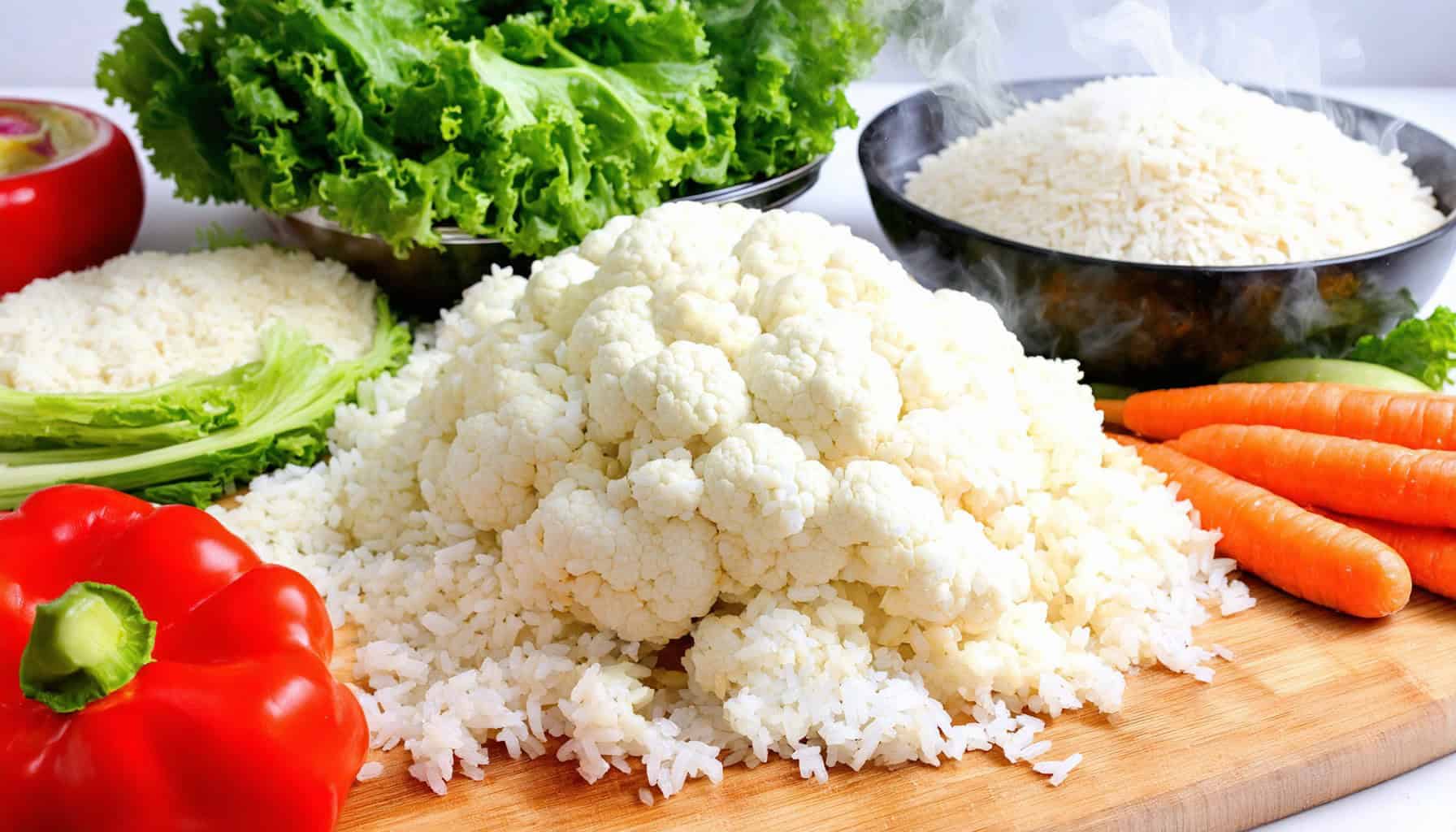
Welcome to our deep dive into the world of cauliflower rice, a popular alternative that has taken the culinary scene by storm. In this article, we will explore whether cauliflower rice is indeed the healthier choice compared to traditional rice, examining its numerous benefits, including cauliflower rice benefits and caloric content. We’ll also guide you through how to make cauliflower rice and share some delicious cauliflower rice recipes that are not only easy to prepare but also packed with flavor. Additionally, we’ll compare riced cauliflower with shirakaki rice, highlighting the nutritional differences and health benefits of each. But it’s not all sunshine and rainbows; we’ll also address potential downsides of consuming cauliflower, including allergies and sensitivities. Finally, we’ll help you find the best places to buy veggiecraft cauliflower rice and other convenient options. Get ready to uncover the truth about this trendy ingredient and discover if cauliflower rice is the right choice for your health and culinary adventures!
Is cauliflower rice better for you than rice?
When it comes to making healthier dietary choices, many people are asking, “Is cauliflower rice better for you than rice?” The answer is a resounding yes. Cauliflower rice, or riced cauliflower, is generally considered a healthier alternative to traditional rice for several compelling reasons.
Cauliflower rice benefits
Cauliflower rice offers numerous health benefits that make it a standout choice for those looking to improve their diet:
- Nutrient Density: Cauliflower is a cruciferous vegetable rich in essential vitamins and minerals. It contains high levels of vitamin C, vitamin K, and folate, which are crucial for immune function, bone health, and DNA synthesis (USDA FoodData Central).
- Low Caloric Content: Cauliflower rice is significantly lower in calories compared to white or brown rice. One cup of cauliflower rice has about 25 calories, while the same serving of cooked white rice contains approximately 205 calories. This makes cauliflower rice an excellent option for those looking to reduce caloric intake (Harvard T.H. Chan School of Public Health).
- Reduced Carbohydrates: Cauliflower rice contains only about 5 grams of carbohydrates per cup, compared to around 45 grams in a cup of cooked white rice. This lower carbohydrate content can be beneficial for individuals managing blood sugar levels or following a ketogenic diet (American Diabetes Association).
- High Fiber Content: Cauliflower rice is a good source of dietary fiber, which aids in digestion and promotes a feeling of fullness. A high-fiber diet is associated with numerous health benefits, including improved gut health and reduced risk of chronic diseases (National Institute of Health).
- Versatility and Flavor: Cauliflower rice can be seasoned and cooked in various ways to enhance its flavor, making it a versatile substitute in many dishes. It can absorb flavors well, allowing it to complement a wide range of cuisines (Culinary Institute of America).
In conclusion, cauliflower rice offers a healthier alternative to traditional rice, particularly for those seeking to lower their caloric and carbohydrate intake while boosting their nutrient consumption. For more information on healthy eating and recipes, consider exploring resources from reputable organizations such as the USDA or the Harvard T.H. Chan School of Public Health.
Cauliflower rice calories
Understanding the caloric content of cauliflower rice is essential for anyone looking to manage their weight or improve their dietary habits. As mentioned, one cup of cauliflower rice contains approximately 25 calories, making it an incredibly low-calorie food option. In contrast, traditional white rice packs around 205 calories per cup. This stark difference in caloric content allows for greater portion sizes without the guilt of overindulgence.
Additionally, the low-calorie nature of cauliflower rice means you can enjoy larger servings while still adhering to your dietary goals. Incorporating easy cauliflower rice recipes into your meals can help you maintain a balanced diet without sacrificing flavor or satisfaction. For those interested in exploring various cauliflower rice recipes, the options are plentiful and can cater to a variety of culinary preferences.
How is Cauliflower Rice Made?
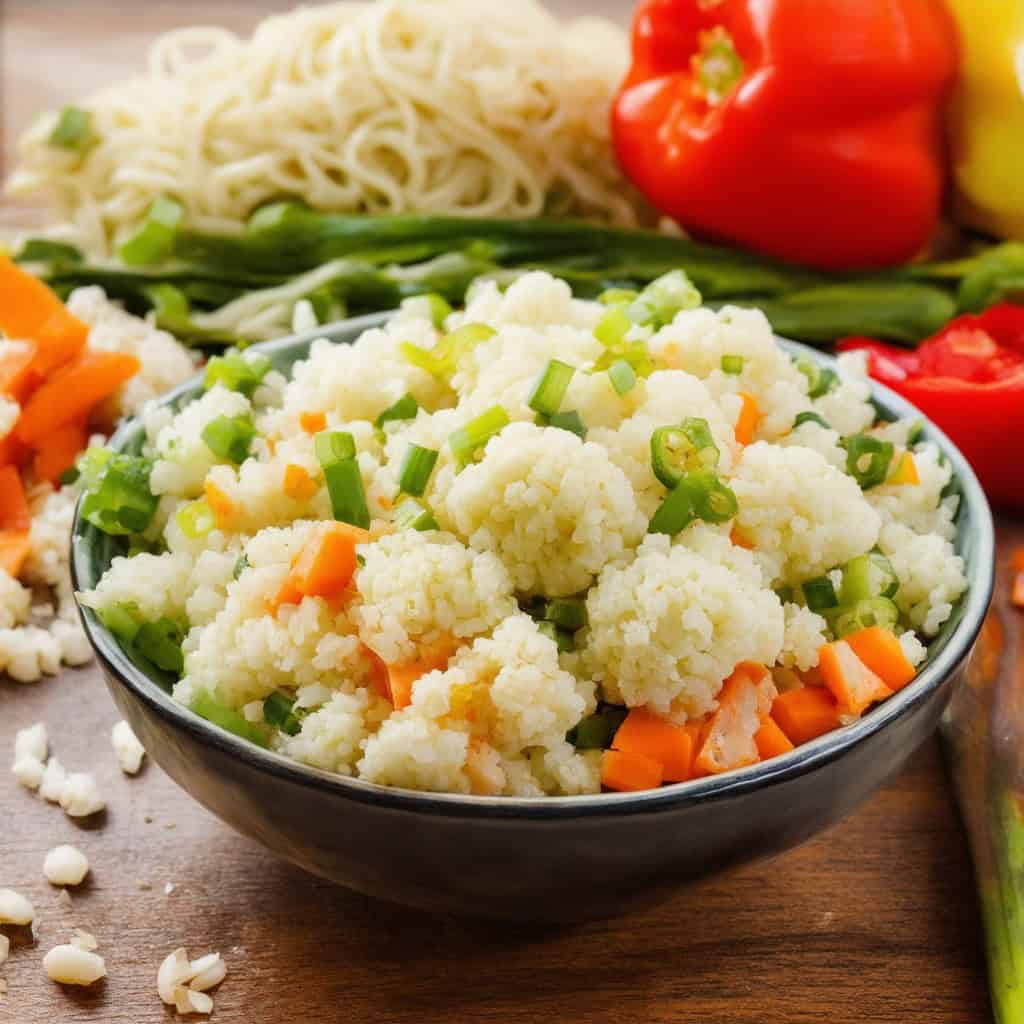
Cauliflower rice is a popular low-carb alternative to traditional rice, made by finely chopping or grating cauliflower. Here’s how to make it:
- Choose Fresh Cauliflower: Select a medium to large head of fresh cauliflower. Look for firm, white florets without any brown spots.
- Prepare the Cauliflower:
- Remove the leaves and stem from the cauliflower.
- Cut the cauliflower into quarters and remove the core.
- Rice the Cauliflower:
- Using a Food Processor: Place the cauliflower florets in a food processor and pulse until it resembles rice grains. Be careful not to over-process, as it can turn mushy.
- Using a Grater: Alternatively, you can use a box grater to manually grate the cauliflower into rice-sized pieces.
- Cook the Cauliflower Rice:
- Heat a tablespoon of olive oil or butter in a large skillet over medium heat.
- Add the riced cauliflower and sauté for about 5-7 minutes, stirring occasionally, until it is tender but not mushy. Season with salt and pepper to taste.
- Serve and Enjoy: Use cauliflower rice as a base for stir-fries, grain bowls, or as a side dish. It can also be flavored with herbs, spices, or sauces to enhance its taste.
Recent studies indicate that cauliflower rice is not only low in calories but also rich in vitamins C and K, making it a nutritious choice. For those looking to incorporate more vegetables into their diet, cauliflower rice is an excellent option. For more information on healthy cooking alternatives, you can refer to resources from Healthline on cauliflower rice.
How to Prepare Cauliflower Rice
Preparing cauliflower rice is straightforward and can be customized to suit your taste preferences. Here are some easy cauliflower rice recipes to try:
- Garlic Cauliflower Rice: Sauté minced garlic in olive oil before adding the riced cauliflower for a flavorful twist.
- Cauliflower Fried Rice: Mix in vegetables like peas, carrots, and scrambled eggs for a healthy take on fried rice.
- Herbed Cauliflower Rice: Stir in fresh herbs such as parsley or cilantro for added freshness and flavor.
For more delicious ideas, check out Eatwell101 cauliflower rice recipes that can inspire your next meal.
Is cauliflower rice full of carbs?
Cauliflower rice is a low-carb alternative to traditional rice, making it an excellent choice for those looking to reduce their carbohydrate intake. In fact, a one-cup serving of cauliflower rice contains approximately 25 calories and only 5 grams of carbohydrates, compared to a cup of cooked white rice, which has around 200 calories and 45 grams of carbohydrates. This significant difference makes cauliflower rice a popular option for individuals following ketogenic or low-carb diets.
Cauliflower rice nutrition facts
Beyond its low carbohydrate content, cauliflower rice is also packed with essential nutrients. It is an excellent source of vitamin C, which supports the immune system and acts as an antioxidant. Additionally, it contains vitamin K, important for bone health and proper blood clotting, as well as folate, which is crucial for DNA synthesis and repair. The fiber content in cauliflower rice aids in digestion and promotes a feeling of fullness, making it beneficial for weight management.
Comparing carbs in cauliflower rice and traditional rice
When comparing the carbohydrate content of cauliflower rice and traditional rice, the differences are striking. Traditional white rice is high in carbs and calories, which can hinder weight loss efforts and affect blood sugar levels. In contrast, cauliflower rice provides a nutrient-dense, low-calorie option that can help maintain energy levels without the excess carbs. Incorporating cauliflower rice into your meals can be simple and versatile. It can be used as a base for stir-fries, mixed into salads, or served alongside proteins. Recent studies suggest that substituting high-carb foods with low-carb alternatives like cauliflower rice can lead to improved metabolic health and weight loss (source: Healthline on cauliflower rice).
Which is better, cauliflower rice or shirataki rice?
When comparing cauliflower rice and shirataki rice, both options offer unique benefits for those seeking low-calorie alternatives. Here’s a detailed breakdown of each:
Nutritional comparison: cauliflower rice vs. shirataki rice
Cauliflower Rice:
- Nutritional Benefits: Cauliflower rice is rich in vitamins C, K, and B6, as well as folate and fiber. A one-cup serving contains about 25 calories, 5 grams of carbohydrates, and 2 grams of fiber, making it an excellent choice for those looking to increase their vegetable intake while managing calorie consumption (Healthline on cauliflower rice).
- Versatility: This rice substitute can be used in a variety of dishes, from stir-fries to casseroles, and can be easily seasoned to complement different cuisines. Its texture can mimic traditional rice, making it a popular choice for those transitioning to a lower-carb diet.
- Health Benefits: Studies suggest that increasing vegetable intake, such as cauliflower, can reduce the risk of chronic diseases (Medical News Today on cauliflower rice).
Shirataki Rice:
- Caloric Content: Shirataki rice, made from konjac yam, is extremely low in calories, often containing less than 10 calories per serving. It is primarily composed of water and glucomannan, a soluble fiber that can aid in weight loss by promoting a feeling of fullness (Wholesome Yum cauliflower rice recipes).
- Gluten-Free: This rice alternative is naturally gluten-free, making it suitable for those with gluten sensitivities or celiac disease.
- Texture Considerations: While shirataki rice is light and easy to prepare, its texture may not appeal to everyone. It has a slightly chewy consistency that differs from traditional rice, which can be a drawback for some consumers.
Health benefits of shirataki rice
Shirataki rice provides several health benefits, particularly for those focused on weight management:
- Low-Calorie Option: With its minimal caloric content, shirataki rice allows for larger portion sizes without significantly impacting overall calorie intake.
- Promotes Satiety: The glucomannan fiber in shirataki rice can help you feel fuller for longer, potentially reducing overall food consumption throughout the day.
- Supports Digestive Health: As a source of soluble fiber, shirataki rice can aid in digestion and promote gut health.
In conclusion, the choice between cauliflower rice and shirataki rice largely depends on individual dietary goals and preferences. Cauliflower rice offers more nutrients and versatility, while shirataki rice is an ultra-low-calorie option ideal for those focused on weight management. For optimal health benefits, incorporating a variety of vegetables, including both options, can provide a balanced approach to nutrition.
Are there any negatives to eating cauliflower?
While cauliflower rice is a popular low-carb alternative to traditional rice, there are some potential downsides to consider when incorporating it into your diet. Understanding these aspects can help you make informed choices about how to enjoy this nutritious vegetable.
Potential downsides of cauliflower rice
1. Digestive Issues: Cauliflower is high in fiber and can cause bloating, gas, and discomfort in some individuals, particularly those with irritable bowel syndrome (IBS). The presence of certain carbohydrates, known as FODMAPs, can exacerbate these symptoms. A study published in the Journal of Gastroenterology highlights the impact of FODMAPs on digestive health.
2. Thyroid Function: Cauliflower belongs to the cruciferous vegetable family, which contains goitrogens that may interfere with thyroid hormone production. While moderate consumption is generally safe, individuals with existing thyroid conditions should monitor their intake. Research in Thyroid suggests that excessive consumption of goitrogenic foods can affect thyroid function.
3. Nutrient Absorption: The high oxalate content in cauliflower can bind to calcium and other minerals, potentially hindering their absorption. This is particularly relevant for individuals prone to kidney stones or those with calcium deficiencies. A review in Nutrients discusses the implications of oxalates on mineral absorption.
4. Allergic Reactions: Although rare, some individuals may experience allergic reactions to cauliflower, leading to symptoms such as itching, swelling, or gastrointestinal distress. If you suspect an allergy, consult a healthcare professional for evaluation.
5. Pesticide Residue: Like many vegetables, cauliflower can be exposed to pesticides. Choosing organic cauliflower can reduce exposure to harmful chemicals, as noted by the Environmental Working Group (EWG), which emphasizes the importance of washing produce thoroughly.
Allergies and sensitivities related to cauliflower
While cauliflower rice is generally safe for most people, those with specific allergies or sensitivities should exercise caution. Allergic reactions to cauliflower, although uncommon, can occur. Symptoms may include:
- Itching or swelling in the mouth or throat
- Gastrointestinal distress, such as nausea or diarrhea
- Skin reactions, including hives or rashes
If you experience any of these symptoms after consuming cauliflower or riced cauliflower, it is essential to seek medical advice. Additionally, individuals with sensitivities to other cruciferous vegetables may also react to cauliflower, so monitoring your body’s response is crucial.
In summary, while cauliflower rice offers numerous health benefits, it is essential to be aware of these potential negatives, especially for individuals with specific health conditions. Moderation and mindful consumption can help mitigate these issues while allowing you to enjoy this versatile vegetable.
What is the healthiest rice substitute?
When it comes to finding the healthiest rice substitute, several options stand out, each offering unique nutritional benefits. Among these, cauliflower rice is a leading choice. This low-carb alternative is made by grating or processing cauliflower into rice-sized pieces, making it an excellent option for those looking to reduce calorie intake while boosting nutrient density. Cauliflower rice is low in calories and high in vitamins C and K, supporting weight management and overall health. For more information, you can check out Healthline on cauliflower rice.
Other notable substitutes include:
- Quinoa: A complete protein that is gluten-free and rich in fiber, magnesium, and antioxidants.
- Farro: An ancient grain high in fiber and protein, offering a nutty flavor and chewy texture.
- Freekeh: A roasted grain with high fiber content and a low glycemic index, beneficial for blood sugar control.
- Wild Rice: Higher in protein and fiber than white rice, it contains antioxidants and essential minerals.
- Couscous: While technically a pasta, whole wheat couscous provides more fiber and nutrients than traditional rice.
- Sweet Potato Rice: Grated sweet potatoes offer a sweet flavor and are rich in vitamins A and C.
Incorporating these rice substitutes into your diet can enhance nutritional intake while providing diverse flavors and textures. Always consider personal dietary needs and preferences when selecting the best alternative.
Cauliflower Rice Recipes Indian
Exploring cauliflower rice recipes can open up a world of culinary possibilities, especially within Indian cuisine. Here are a few easy cauliflower rice recipes that highlight the versatility of this ingredient:
- Cauliflower Rice Biryani: A fragrant dish made with spices, vegetables, and riced cauliflower, offering a low-carb twist on the traditional biryani.
- Cauliflower Rice Pulao: This simple recipe combines riced cauliflower with peas, carrots, and aromatic spices for a quick and healthy meal.
- Spicy Cauliflower Rice Stir-Fry: A vibrant dish featuring riced cauliflower sautéed with bell peppers, onions, and your choice of protein, seasoned with Indian spices.
These riced cauliflower recipes not only provide a nutritious alternative to traditional rice but also allow you to enjoy the rich flavors of Indian cuisine without the extra carbs. For more inspiration, check out Eatwell101 cauliflower rice recipes.
Where to buy cauliflower rice?
Finding quality cauliflower rice is easier than ever, thanks to the growing popularity of this nutritious alternative to traditional rice. Whether you’re looking for fresh or frozen options, there are several reliable sources to consider.
Veggiecraft cauliflower rice options
One of the standout brands in the market is Veggiecraft Farms, known for its commitment to quality and flavor. Their riced cauliflower is available in various forms, including frozen and fresh, making it a convenient choice for busy cooks. Veggiecraft’s products are often found in major grocery stores and health food outlets, ensuring easy access for consumers. Additionally, their cauliflower rice recipes can inspire you to create delicious meals that fit your dietary needs.
Frozen cauliflower rice: convenience and availability
Frozen cauliflower rice is a fantastic option for those who want to keep their kitchen stocked with healthy ingredients without the hassle of preparation. Many brands, including Wholesome Yum, offer pre-riced cauliflower that can be quickly cooked in a variety of dishes. This convenience allows you to whip up easy cauliflower rice recipes in no time, making it a go-to for weeknight dinners. Look for frozen options in your local supermarket’s freezer aisle, where you can find products that are both nutritious and easy to prepare.