
Key Takeaways
- Palak Paneer is Nutrient-Dense: Packed with spinach and paneer, it offers vitamins A, C, and K, protein, and essential minerals, making it a healthy choice for all diets.
- Weight Management Friendly: With low calories and high fiber, palak paneer can help control appetite and support weight loss goals when prepared mindfully.
- Antioxidant-Rich Ingredients: Spinach and paneer provide antioxidants that combat oxidative stress, promoting overall health and reducing chronic disease risk.
- Versatile Cooking Options: Easily modify your palak paneer with low-fat paneer or additional vegetables to enhance its nutritional profile while maintaining flavor.
- Trader Joe’s Option: Trader Joe’s Palak Paneer offers a convenient, flavorful frozen meal that retains many health benefits, making it a popular choice for busy lifestyles.
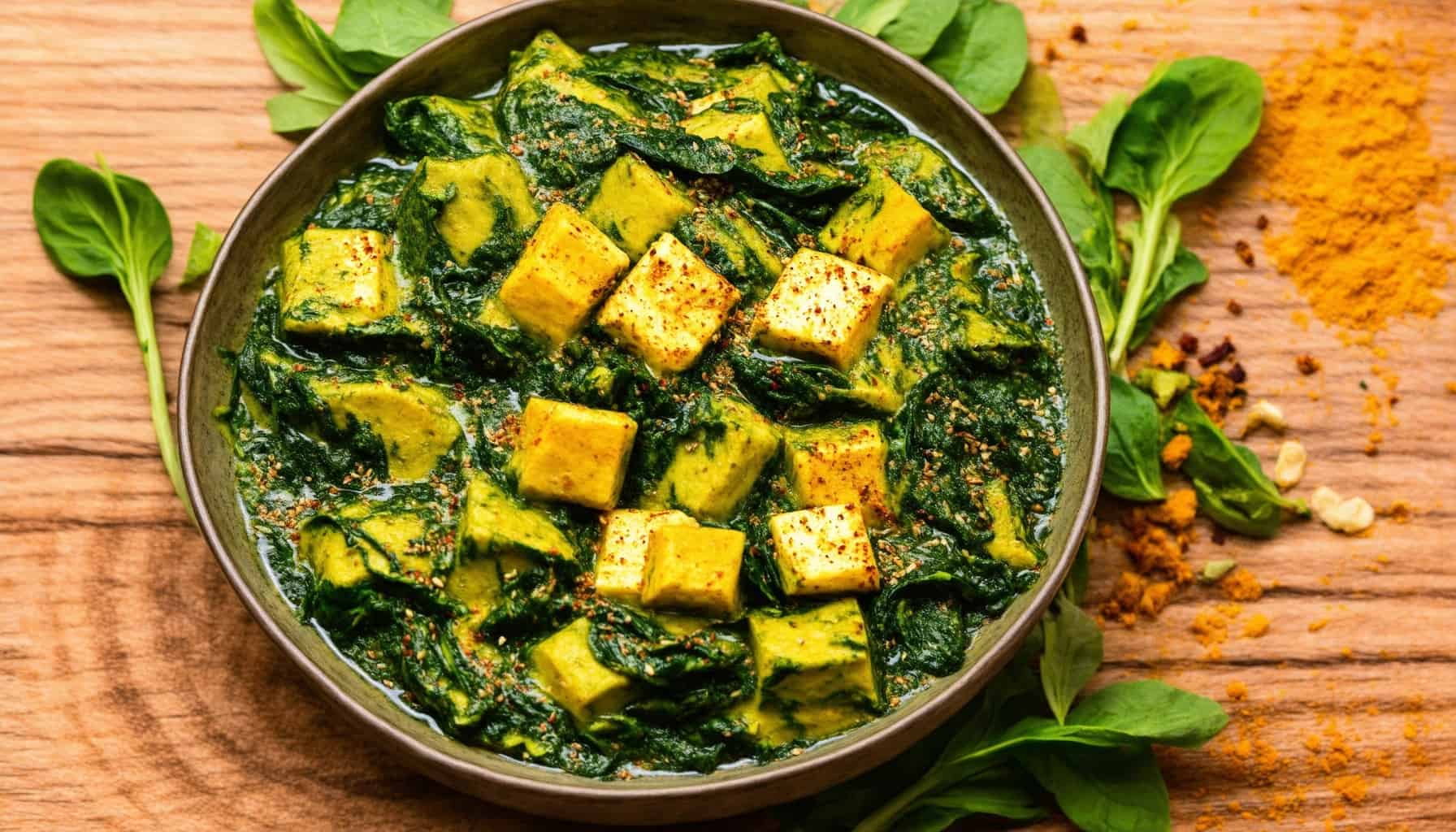
Welcome to the delicious world of palak paneer, a beloved dish that combines the rich flavors of spinach and paneer, making it a staple in Indian cuisine. But is palak paneer really a healthy choice? In this article, we will explore the nutritional benefits of this vibrant dish, diving into its key ingredients and their health impacts. Whether you’re a beginner looking for an easy palak paneer recipe or a seasoned cook seeking tips to perfect your dish, we’ve got you covered. We will also take a closer look at Trader Joe’s palak paneer and compare store-bought options with homemade versions. Plus, we’ll clarify the difference between palak and saag paneer, and discuss whether you can enjoy this dish while on a weight loss journey. Get ready to uncover the truth about palak paneer and discover some exciting variations, including the lasooni palak paneer recipe. Join us as we delve into the flavorful and nutritious aspects of this iconic dish!
Is Palak Paneer Really Healthy?
Yes, palak paneer is indeed a healthy dish, and here’s why:
Nutritional Benefits of Palak Paneer
- Nutritional Benefits of Spinach: Palak paneer primarily features spinach, which is a nutrient-dense leafy green. Spinach is low in calories and carbohydrates, making it an excellent choice for weight management. It is rich in vitamins A, C, and K, as well as folate, iron, and calcium. According to a study published in the Journal of Nutrition, the antioxidants found in spinach, such as lutein and zeaxanthin, contribute to eye health and may reduce the risk of chronic diseases.
- Health Benefits of Paneer: Paneer, or Indian cottage cheese, is a significant source of protein and calcium. It contains essential amino acids that are vital for muscle repair and growth. A serving of paneer can provide about 28 grams of protein, which is beneficial for vegetarians looking to meet their protein needs. Additionally, paneer is known to have a low glycemic index, making it suitable for individuals managing blood sugar levels.
- Balanced Meal: When combined, spinach and paneer create a balanced meal that provides a good mix of macronutrients—proteins, fats, and carbohydrates. This combination can help maintain energy levels and keep you satiated for longer periods.
- Antioxidant Properties: Both spinach and paneer contain antioxidants that help combat oxidative stress in the body. This can lead to improved overall health and a reduced risk of chronic conditions such as heart disease and cancer.
- Versatile and Adaptable: Palak paneer can be easily modified to enhance its health benefits. For instance, using low-fat paneer can reduce calorie intake, and adding spices like turmeric and ginger can further boost its anti-inflammatory properties.
In conclusion, palak paneer is a nutritious dish that can be part of a healthy diet. Its combination of spinach and paneer provides essential nutrients that support overall health. For more information on the health benefits of spinach and paneer, you can refer to resources from the Indian Healthy Recipes and the Food Network.
Palak Paneer Ingredients and Their Health Impact
The ingredients in palak paneer play a crucial role in its health benefits:
- Spinach: As mentioned, spinach is packed with vitamins and minerals. It also contains fiber, which aids digestion and promotes a healthy gut.
- Paneer: This dairy product is not only a great source of protein but also provides healthy fats that are essential for hormone production and nutrient absorption.
- Spices: Common spices used in palak paneer, such as cumin and coriander, have anti-inflammatory properties and can enhance digestion.
- Onions and Tomatoes: These ingredients add flavor and additional nutrients, including antioxidants that support heart health.
Incorporating these ingredients into your diet through palak paneer can contribute to a balanced and healthful eating pattern. For those interested in exploring more Indian recipes, check out Veg Recipes of India for a variety of options.
How to Make the Best Palak Paneer?
Easy Palak Paneer Recipe for Beginners
Making a delicious palak paneer at home is easier than you might think. Follow these simple steps to create a flavorful dish that captures the essence of Indian recipes palak paneer.
- Prepare the Spinach: Start by washing 500 grams of fresh spinach thoroughly to remove any dirt. Blanch the spinach in boiling water for 2-3 minutes to retain its vibrant green color and nutrients. Immediately transfer the spinach to an ice bath to stop the cooking process. This method helps preserve the flavor and health benefits of the spinach.
- Make the Spinach Puree: After cooling, drain the spinach and blend it in a tall container using a stick blender until you achieve a smooth puree. This step is crucial for a creamy texture in your palak paneer recipe.
- Cook the Base: In a pan, heat 2 tablespoons of ghee or oil over medium heat. Add 1 teaspoon of cumin seeds and let them sizzle. Then, add 1 finely chopped onion and sauté until golden brown. Incorporate 2 minced garlic cloves and 1-inch piece of grated ginger, cooking for another minute until fragrant.
- Add Spices: Stir in 1 teaspoon of turmeric powder, 1 teaspoon of coriander powder, and 1 teaspoon of garam masala. These spices enhance the flavor profile of your dish.
- Combine Spinach and Cream: Pour the spinach puree into the pan, mixing well with the sautéed ingredients. Add 100 ml of heavy cream and the juice of half a lemon to balance the flavors. The cream adds richness, while the lemon juice brightens the dish.
- Incorporate Paneer: Gently fold in 250 grams of golden pan-fried paneer cubes. To achieve the perfect paneer, fry it in a little oil until golden on all sides before adding it to the spinach mixture.
- Simmer and Serve: Allow the palak paneer to simmer for 5-10 minutes on low heat, stirring occasionally. This helps the flavors meld together. Serve hot over basmati rice or with fluffy, homemade naan for a complete meal.
For an authentic taste, consider using high-quality spices and ingredients. Fresh, organic spinach and premium paneer can significantly enhance the dish’s flavor. Additionally, using specialty salts, such as those from Salts Worldwide, can elevate the seasoning and overall taste of your palak paneer.
Tips for Perfecting Your Palak Paneer Recipe
To ensure your palak paneer stands out, consider these expert tips:
- Use Fresh Ingredients: Fresh spinach and high-quality paneer make a significant difference in flavor. Look for organic options when possible.
- Adjust Spice Levels: Customize the spice levels according to your preference. If you enjoy heat, add green chilies or red chili powder.
- Experiment with Creaminess: For a richer texture, you can substitute heavy cream with coconut milk or add a dollop of yogurt before serving.
- Garnish Wisely: A sprinkle of garam masala or a drizzle of cream on top before serving can enhance the presentation and flavor.
- Pair with the Right Accompaniments: Serve your palak paneer with basmati rice, naan, or roti to create a well-rounded meal.
By following these tips and the easy palak paneer recipe, you can create a dish that rivals any restaurant’s offering. Enjoy the delightful flavors of this classic Indian food right in your kitchen!
Is Trader Joe’s Palak Paneer Good?
Trader Joe’s Palak Paneer is a popular frozen meal that many customers rave about for its convenience and flavor. Priced at $3.99, this dish has been a staple in Trader Joe’s freezer section for over a decade, making it a go-to option for those seeking a quick and satisfying meal.
A Review of Trader Joe’s Palak Paneer
- Flavor Profile: The Palak Paneer features a rich and creamy spinach sauce, complemented by soft cubes of paneer cheese. The balance of spices, including cumin and coriander, enhances the overall taste, making it a delightful representation of traditional Indian cuisine.
- Nutritional Value: This dish is not only tasty but also offers nutritional benefits. Spinach is a great source of vitamins A, C, and K, as well as iron and calcium. Paneer adds protein, making it a well-rounded meal option.
- Preparation: The convenience of Trader Joe’s Palak Paneer is a significant advantage. It can be prepared in just a few minutes, either in the microwave or on the stovetop, making it ideal for busy individuals or families.
- Customer Reviews: Many customers appreciate the authentic taste and quality of ingredients used in this dish. It has garnered positive feedback for its flavor and texture, often being described as a comforting meal that doesn’t compromise on quality.
- Comparative Analysis: When compared to other frozen Indian meals available in the market, Trader Joe’s Palak Paneer stands out for its affordability and flavor. It is often recommended by fans of Indian cuisine as a reliable choice.
In conclusion, Trader Joe’s Palak Paneer is a well-loved option for those looking for a quick, flavorful, and nutritious meal. Its longstanding presence in the freezer section speaks to its popularity and quality, making it a must-try for both fans of Indian food and newcomers alike.
Comparing Store-Bought vs Homemade Palak Paneer
When it comes to palak paneer, the debate between store-bought and homemade versions is a common one. While Trader Joe’s offers a convenient option, making your own palak paneer can elevate the dish to new heights.
- Flavor and Freshness: Homemade palak paneer allows for control over the ingredients, ensuring freshness and the ability to customize spices to your taste. The use of fresh spinach and high-quality paneer can significantly enhance the flavor compared to frozen alternatives.
- Health Considerations: Preparing palak paneer at home gives you the opportunity to make healthier modifications, such as reducing cream or using low-fat paneer. This can be particularly beneficial for those monitoring their calorie intake.
- Cost-Effectiveness: While Trader Joe’s palak paneer is affordable, making it at home can often be more economical in the long run, especially if you buy ingredients in bulk. Plus, you can create larger batches to enjoy over multiple meals.
- Cooking Experience: For those who enjoy cooking, making palak paneer from scratch can be a rewarding experience. It allows you to explore traditional Indian cooking techniques and experiment with variations, such as the popular lasooni palak paneer recipe.
Ultimately, whether you choose Trader Joe’s palak paneer or decide to whip up your own recipe for palak paneer, both options have their merits. The key is to enjoy the flavors and health benefits that this beloved Indian dish has to offer.
What is the difference between palak and Saag paneer?
Palak and Saag paneer are both popular Indian dishes that feature paneer (Indian cottage cheese) as a key ingredient, but they differ primarily in the type of greens used and their flavor profiles.
Palak Paneer vs Saag Paneer: Key Differences
- Greens Used:
- Palak Paneer: This dish specifically uses spinach (palak) as the main green. Spinach is known for its mild flavor and vibrant green color, which contributes to the dish’s appealing appearance.
- Saag Paneer: Saag refers to a variety of leafy greens, which can include mustard greens, fenugreek leaves, or even collard greens, in addition to spinach. This variety gives Saag paneer a more complex flavor profile and a slightly different texture.
- Flavor and Texture:
- Palak Paneer: The use of spinach results in a creamy, smooth texture, often enhanced by the addition of cream or yogurt. The flavor is generally mild and slightly sweet.
- Saag Paneer: The combination of different greens in Saag paneer leads to a richer, earthier taste. The bitterness of mustard greens, for example, can add depth to the dish, making it more robust.
Understanding Saag vs Palak Paneer
- Nutritional Value: Both dishes are nutritious, rich in vitamins A and C, iron, and calcium. However, Saag paneer may offer a broader range of nutrients due to the variety of greens used.
- Culinary Uses:
- Palak Paneer: Often served with naan or rice, it is a staple in many North Indian households.
- Saag Paneer: Also enjoyed with bread or rice, Saag paneer is particularly popular in Punjabi cuisine and is celebrated for its heartiness.
In summary, while both palak and Saag paneer feature paneer and are beloved in Indian cuisine, they differ in the greens used, flavor profiles, and nutritional benefits. For those looking to explore these dishes further, it’s advisable to try both to appreciate their unique qualities. For authentic ingredients and spices, consider sourcing from reputable suppliers to enhance your cooking experience.
Can I eat palak paneer during weight loss?
Yes, you can eat palak paneer during weight loss, and it can be a beneficial addition to your diet. Here are some key points to consider:
- Nutritional Benefits:
- Spinach (Palak): This leafy green is low in calories (approximately 23 calories per 100 grams) and rich in dietary fiber, which aids in digestion and promotes a feeling of fullness, helping to control appetite (Source: USDA FoodData Central).
- Paneer: A source of protein, paneer helps maintain muscle mass during weight loss. It contains about 18 grams of protein per 100 grams, which is essential for muscle repair and growth (Source: NutritionData).
- Weight Management: The combination of spinach and paneer provides a balanced meal that can help manage weight effectively. The fiber from spinach and the protein from paneer work together to keep you satiated longer, reducing the likelihood of unhealthy snacking.
- Healthy Preparation: To maximize the weight loss benefits, prepare palak paneer using minimal oil and avoid heavy cream. Opting for healthier cooking methods, such as steaming or sautéing with spices, can enhance the dish’s nutritional profile.
- Portion Control: Moderation is key. While palak paneer is nutritious, it’s important to control portion sizes to avoid excess calorie intake. A serving size of about 100-150 grams is generally recommended for those focusing on weight loss.
- Incorporating into a Balanced Diet: Pair palak paneer with whole grains like brown rice or quinoa for a complete meal. This combination provides essential nutrients and helps maintain energy levels while supporting weight loss goals.
In conclusion, palak paneer can be a healthy and satisfying option for those looking to lose weight, provided it is prepared mindfully and consumed in appropriate portions. For further reading on the benefits of spinach and protein in weight management, refer to studies published in the Journal of Nutrition and the American Journal of Clinical Nutrition.
Healthy Modifications to Your Palak Paneer Recipe
To enhance the health benefits of your palak paneer recipe, consider these modifications:
- Use Low-Fat Paneer: Opt for low-fat paneer to reduce calorie intake while still enjoying the protein benefits.
- Incorporate More Vegetables: Add other vegetables like bell peppers or carrots to increase fiber and nutrient content.
- Spice It Up: Use spices like turmeric and cumin, which not only add flavor but also have anti-inflammatory properties.
- Limit Oil Usage: Use just a teaspoon of oil for sautéing to keep the dish light and healthy.
- Experiment with Cooking Methods: Try baking or grilling the paneer instead of frying to cut down on fat.
By making these healthy modifications, you can enjoy a delicious palak paneer that aligns with your weight loss goals while still being flavorful and satisfying. For more delicious Indian recipes, explore our collection.
Is Palak Good or Bad for You?
The Health Benefits of Palak in Your Diet
Palak, commonly known as spinach, is highly regarded for its numerous health benefits, making it a valuable addition to a balanced diet. Here are some key points regarding its nutritional profile and health implications:
1. **Nutrient-Rich Profile**: Spinach is low in calories yet packed with essential nutrients. It is an excellent source of vitamins A, C, and K, as well as folate, manganese, and magnesium. These vitamins and minerals play vital roles in maintaining overall health, including skin health, immune function, and bone strength.
2. **Iron Content**: Spinach is often highlighted for its iron content, which is crucial for oxygen transport in the blood. While the iron in spinach is non-heme (plant-based), it can still contribute to daily iron intake, especially when consumed with vitamin C-rich foods that enhance absorption (Source: National Institutes of Health).
3. **Antioxidant Properties**: Spinach contains powerful antioxidants, including lutein and zeaxanthin, which are beneficial for eye health. These compounds help protect against age-related macular degeneration and cataracts (Source: American Optometric Association).
4. **Digestive Health**: The high fiber content in spinach aids in digestion and promotes gut health. Fiber helps regulate bowel movements and can prevent constipation (Source: Harvard T.H. Chan School of Public Health).
5. **Weight Management**: Due to its low calorie and high nutrient density, spinach can be an excellent food choice for those looking to manage their weight. It provides satiety without excessive calories, making it a great addition to salads, smoothies, and cooked dishes.
6. **Potential Risks**: While spinach is generally healthy, it contains oxalates, which can interfere with calcium absorption and may contribute to kidney stone formation in susceptible individuals. Moderation is key, especially for those with a history of kidney stones (Source: Mayo Clinic).
In conclusion, palak (spinach) is overwhelmingly beneficial for most people when consumed as part of a varied diet. Its rich nutrient profile supports numerous aspects of health, making it a superfood worth incorporating into daily meals.
Potential Downsides of Eating Palak Paneer
While palak paneer is a delicious and nutritious dish, there are some potential downsides to consider:
1. **Caloric Density**: Although palak is low in calories, the addition of paneer can increase the caloric content of the dish. For those monitoring their calorie intake, it’s essential to be mindful of portion sizes.
2. **Oxalate Content**: Both spinach and paneer contain oxalates, which can interfere with calcium absorption and may lead to kidney stones in susceptible individuals. Those with a history of kidney stones should consume palak paneer in moderation.
3. **Sodium Levels**: Depending on how palak paneer is prepared, it can be high in sodium, especially if store-bought or restaurant versions are consumed. High sodium intake can lead to hypertension and other health issues.
4. **Allergies and Intolerances**: Paneer is a dairy product, which may not be suitable for individuals with lactose intolerance or dairy allergies. Alternatives like tofu can be used for a vegan version of palak paneer.
In summary, while palak paneer offers numerous health benefits, it is crucial to be aware of its potential downsides and consume it as part of a balanced diet.
Palak Paneer Recipes and Variations
Palak paneer is a beloved dish in Indian cuisine, known for its rich flavors and vibrant green color. This section explores various recipes and adaptations of palak paneer, including a Pakistani style recipe and a unique lasooni palak paneer variation that adds a delightful twist to the classic dish.
Palak Paneer Recipe Pakistani Style
The Pakistani style of palak paneer offers a slightly different flavor profile compared to the traditional Indian version. This recipe emphasizes the use of spices and a creamy texture, making it a favorite among many. Here’s a simple recipe for you to try:
- Ingredients: 500g fresh spinach, 200g paneer, 1 onion, 2 tomatoes, 2 green chilies, 1 teaspoon ginger-garlic paste, 1 teaspoon cumin seeds, 1 teaspoon garam masala, salt to taste, and oil.
- Instructions:
- Blanch the spinach in boiling water for 2-3 minutes, then blend it into a smooth puree.
- In a pan, heat oil and add cumin seeds. Once they splutter, add chopped onions and sauté until golden brown.
- Add ginger-garlic paste and green chilies, cooking for another minute.
- Stir in chopped tomatoes and cook until soft. Add the spinach puree and mix well.
- Incorporate paneer cubes and season with garam masala and salt. Simmer for 5-7 minutes.
This Pakistani style palak paneer pairs wonderfully with naan or rice, making it a perfect addition to your meal rotation. For more variations, check out Indian Healthy Recipes for additional insights.
Lasooni Palak Paneer Recipe: A Flavorful Twist
Lasooni palak paneer introduces garlic as a key ingredient, enhancing the dish’s flavor profile. This variation is perfect for garlic lovers and adds a robust taste to the classic palak paneer. Here’s how to make it:
- Ingredients: 500g spinach, 200g paneer, 10 cloves of garlic, 1 onion, 1 tomato, 2 green chilies, 1 teaspoon cumin seeds, 1 teaspoon garam masala, salt to taste, and oil.
- Instructions:
- Blanch the spinach and blend it into a puree.
- In a pan, heat oil and sauté cumin seeds. Add finely chopped garlic and onions, cooking until golden.
- Add chopped tomatoes and green chilies, cooking until soft.
- Mix in the spinach puree and paneer cubes, seasoning with garam masala and salt. Cook for 5-7 minutes.
This lasooni palak paneer is a delightful twist that can be served with rice or roti. For more delicious recipes, visit Veg Recipes of India for a variety of vegetarian options.