
Key Takeaways
- Kofta Variations: Discover diverse types of kofta, from kofta Indian to kofta Turkish, showcasing unique flavors and cooking methods.
- Health Benefits: Kofta is a protein-rich dish that can be healthy when made with lean meats and nutritious ingredients.
- Vegetarian Options: Explore kofta veg recipes using ingredients like lentils and vegetables for a meat-free alternative.
- Cooking Techniques: Master different cooking methods such as grilling, baking, and frying to enhance the flavor of your kofta.
- Essential Ingredients: Key components include ground meat, spices, and binders, which contribute to the dish’s rich taste and texture.
- Kofta vs. Meatballs: Understand the key differences between kofta and traditional meatballs, including their origins and flavor profiles.
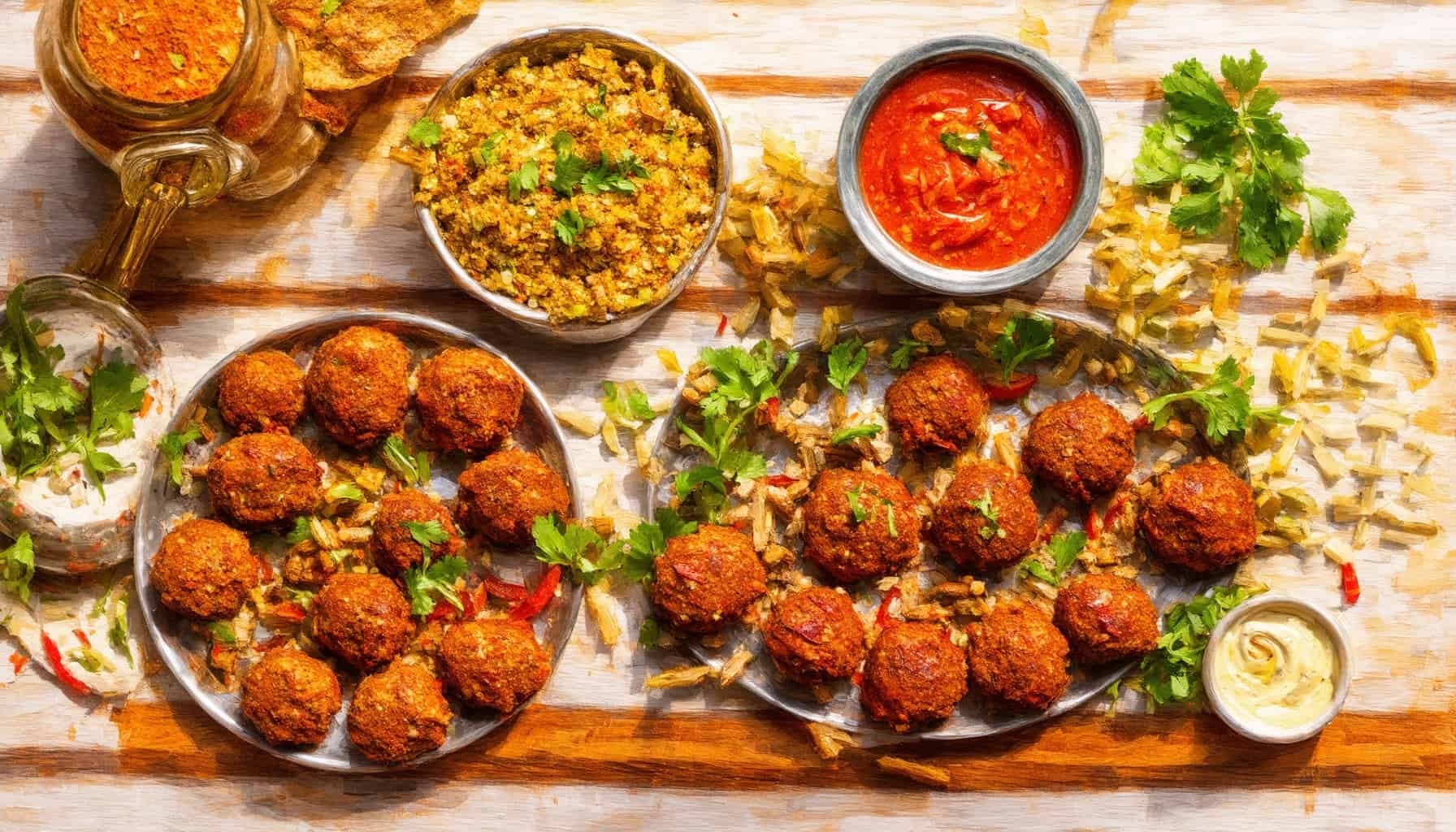
Welcome to the delicious world of kofta, a culinary delight that transcends borders and tantalizes taste buds! In this article, we will explore the rich tapestry of kofta ingredients, uncovering the secrets behind traditional recipes and the unique variations that span cultures—from kofta Indian to kofta Turkish. Have you ever wondered about the difference between kofta and kafta? We’ll delve into this culinary conundrum, shedding light on regional variations and the distinct flavors that define each. Additionally, we’ll answer pressing questions like, Is eating kofta healthy?, and explore the nutritional benefits of this beloved dish, including kofta veg options for the health-conscious. As we journey through the article, we’ll provide you with mouthwatering kofta recipes to try at home, from classic beef kofta to creamy malai kofta. Get ready to embark on a flavorful adventure that celebrates kofta in all its glory!
What is kofta made of?
Kofta is a popular dish in Middle Eastern and South Asian cuisines, primarily made from ground meat, which can include beef, lamb, chicken, or pork. The meat is typically mixed with a variety of spices and herbs to enhance flavor. Here are the key components of kofta:
- Ground Meat: The base of kofta is usually ground meat. Common choices include:
- Beef: Offers a rich flavor and is widely used.
- Lamb: Adds a distinct taste and is traditional in many recipes.
- Chicken: A leaner option that is becoming increasingly popular.
- Vegetarian Alternatives: Some variations use lentils, chickpeas, or vegetables for a meat-free option.
- Spices and Herbs: The flavor profile of kofta is enhanced by a blend of spices, which may include:
- Cumin: Adds warmth and earthiness.
- Coriander: Provides a citrusy note.
- Paprika: Contributes color and a mild sweetness.
- Garlic and Onion: Essential for depth of flavor.
- Parsley or Mint: Fresh herbs that brighten the dish.
- Binders: To help hold the mixture together, binders such as:
- Breadcrumbs: Commonly used to absorb moisture and add texture.
- Eggs: Often included to provide structure.
- Cooking Method: Kofta can be prepared in various ways:
- Grilled: Often skewered and cooked over an open flame for a smoky flavor.
- Fried: Deep-fried for a crispy exterior.
- Baked: A healthier option that retains moisture.
- Serving Suggestions: Kofta is typically served with:
- Sauces: Such as tzatziki or tahini.
- Sides: Accompanied by rice, pita bread, or salads.
Ingredients in Traditional Kofta Recipes
Traditional kofta recipes vary by region, but they generally maintain the core ingredients mentioned above. For instance, Himalayan salt can enhance the flavor of the meat, while spices like kofta masala are essential for achieving the authentic taste. In Kofta Indian cuisine, the use of spices is often more pronounced, incorporating ingredients like garam masala and chili powder for added heat. Meanwhile, Kofta Turkish recipes may emphasize herbs like mint and parsley, creating a fresher flavor profile.
Exploring Kofta Variations: From Kofta Indian to Kofta Turkish
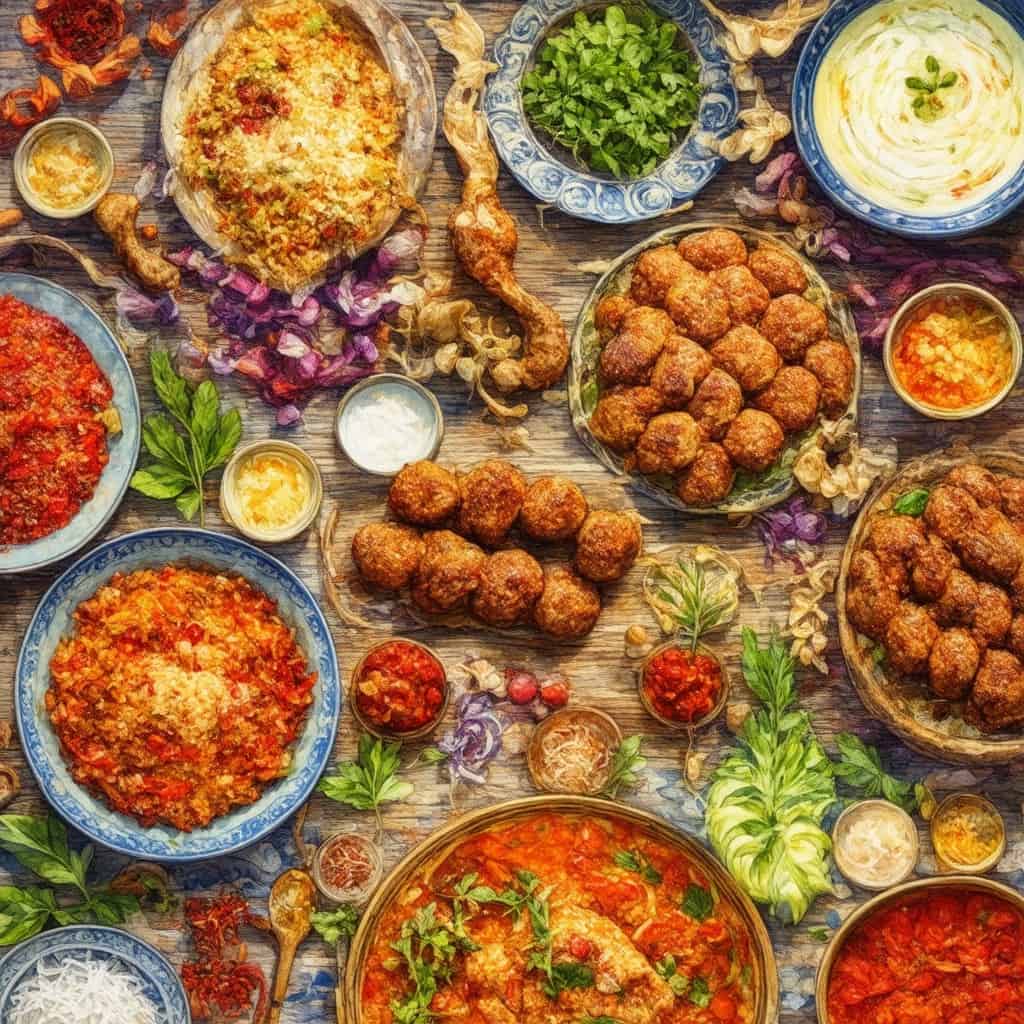
Kofta has numerous variations across different cultures, each bringing unique flavors and cooking techniques. For example, lamb kofta is a staple in Middle Eastern cuisine, often grilled and served with flatbreads. In contrast, beef kofta is popular in South Asian dishes, frequently featured in kofta curry recipes that highlight rich, spiced gravies. Vegetarian options like kofta veg are also gaining popularity, with ingredients such as lentils or vegetables replacing meat, appealing to health-conscious diners. Each variation reflects the local ingredients and culinary traditions, making kofta a versatile dish enjoyed worldwide.
What is the difference between kofta and kafta?
Kofta and kafta are both beloved dishes in Middle Eastern cuisine, but they have distinct characteristics that set them apart.
- Definition:
- Kofta: This term generally refers to a variety of meatballs or meat patties made from ground meat, which can include beef, lamb, or chicken. The meat is often mixed with spices, herbs, and sometimes rice or bulgur, then shaped into balls or logs.
- Kafta: Specifically, kafta refers to a type of kofta that is typically made from ground beef or lamb, seasoned with spices like cumin, coriander, and parsley, and formed into elongated shapes or patties. It is commonly grilled on skewers.
- Preparation and Cooking:
- Kofta: Can be prepared in various ways, including frying, baking, or grilling. The flavor profile can vary significantly based on regional spices and ingredients.
- Kafta: Usually grilled or cooked on skewers, giving it a smoky flavor. It is often served with flatbreads, salads, or dips like tzatziki.
- Regional Variations:
- Kofta: Found in many cultures, including Turkish, Indian, and Persian cuisines, each with unique spices and preparation methods.
- Kafta: Predominantly associated with Lebanese and Syrian cuisine, where it is a staple dish.
- Common Misconceptions:
- Many people use the terms interchangeably, but understanding the nuances can enhance your culinary experience. While all kafta can be considered kofta, not all kofta qualifies as kafta.
For a deeper exploration of these dishes, consider looking at culinary resources or cookbooks that specialize in Middle Eastern cuisine, such as Food Network, which provides authentic recipes and cultural insights.
Regional Variations: Kofta in Different Cultures
Kofta is a versatile dish that transcends borders, with each culture adding its unique twist. Here’s a look at some popular variations:
- Kofta Indian: Often made with minced lamb or beef, these koftas are spiced with garam masala and served in rich, flavorful kofta curry.
- Kofta Turkish: Known for their grilled versions, Turkish koftas are typically made from ground lamb and served with fresh vegetables and flatbreads.
- Kofta Egyptian: In Egypt, kofta is often grilled and served with rice or in a kofta kebab style, showcasing the rich flavors of local spices.
- Kofta Pakistani: Similar to Indian kofta, these are often made with beef and served in a spicy curry, known for their robust flavors.
Exploring these variations not only enhances your culinary repertoire but also allows you to appreciate the rich tapestry of flavors that kofta brings to the table.
What is Greek kofta made of?
Greek kofta is a flavorful dish traditionally made from ground meat, typically lamb, although variations may include beef, chicken, or turkey. The preparation of Greek kofta involves a blend of spices and herbs that enhance its taste and aroma. Here are the key components:
- Ground Meat: The primary ingredient is ground lamb, which is favored for its rich flavor. However, ground beef or a mix of meats can also be used based on personal preference.
- Spices and Herbs: Common spices include cumin, coriander, and paprika, while fresh herbs like parsley, mint, and dill are often added for freshness. These ingredients contribute to the distinctive Mediterranean flavor profile.
- Binders: To help the kofta hold its shape during cooking, ingredients such as breadcrumbs or rice may be incorporated. This not only adds texture but also helps to absorb moisture, keeping the kofta juicy.
- Onion and Garlic: Finely chopped onion and minced garlic are frequently included for added depth of flavor.
- Salt and Pepper: Essential for seasoning, salt enhances the overall taste, while black pepper adds a subtle heat.
- Cooking Method: Kofta can be grilled, baked, or pan-fried, with grilling being the most traditional method, imparting a smoky flavor.
For a more authentic experience, consider using high-quality spices and fresh herbs, which can significantly elevate the dish. According to a study published in the Journal of Culinary Science & Technology, the use of fresh herbs not only enhances flavor but also adds nutritional benefits.
Comparing Greek Kofta to Other Variants: A Taste Test
When comparing Greek kofta to other variants, such as kofta Indian or kofta Turkish, several differences emerge. Each region incorporates unique spices and cooking methods that reflect local culinary traditions. For instance:
- Kofta Indian: Typically spiced with garam masala and served in a rich kofta curry, Indian kofta often features a vegetarian option made from ingredients like paneer or vegetables.
- Kofta Turkish: Often grilled on skewers, Turkish kofta is seasoned with a blend of spices, including sumac, and is commonly served with flatbreads and salads.
Each variant offers a unique taste experience, showcasing the versatility of kofta across different cultures. Whether you prefer the rich flavors of Greek kofta or the spiced variations found in Indian and Turkish cuisines, there’s a kofta recipe to suit every palate.
Kofta vs. Meatballs: Key Differences Explained
Kofta and meatballs are both popular dishes made from ground meat, but they differ significantly in their origins, preparation, and flavor profiles.
- Culinary Origins:
- Kofta: This dish has roots in various cuisines, particularly in South Asian, Middle Eastern, and Mediterranean regions. It is often associated with rich cultural traditions and is prepared in diverse ways across different countries.
- Meatballs: Typically linked to Western cuisines, particularly Italian and American, meatballs are a staple in dishes like spaghetti and meatballs or meatball subs.
- Ingredients:
- Kofta: Traditionally made from ground meat (beef, lamb, chicken, or a mix), koftas are seasoned with a variety of spices such as cumin, coriander, and cinnamon. They may also include ingredients like rice, bulgur, or vegetables, enhancing their texture and flavor.
- Meatballs: Usually consist of ground meat mixed with breadcrumbs, eggs, and seasonings. Common spices include garlic, onion, and herbs like parsley or basil, focusing more on a savory flavor profile.
- Preparation Methods:
- Kofta: Often shaped into elongated or round forms and can be grilled, baked, or fried. They are frequently served with sauces or dips, such as tzatziki or tomato sauce, and are sometimes cooked in stews.
- Meatballs: Typically rolled into round shapes and are usually baked or simmered in sauce. They are often served with pasta or in sandwiches.
- Cultural Significance:
- Kofta: In many cultures, kofta is a dish that brings families together, often served during special occasions and gatherings.
- Meatballs: In Western cultures, meatballs are a comfort food, commonly enjoyed in casual dining settings.
In summary, while both kofta and meatballs share similarities as ground meat dishes, they are distinct in their cultural backgrounds, ingredients, and preparation methods. Understanding these differences can enhance your culinary experience and appreciation for these flavorful dishes. For further exploration of spices and ingredients used in kofta, resources like the Food Network provide valuable insights into traditional cooking techniques and flavor pairings.
Cooking Techniques: How to Prepare Kofta and Meatballs
Preparing kofta and meatballs involves distinct techniques that highlight their unique flavors and textures. Here’s a breakdown of how to cook each dish effectively:
- Kofta:
- Grilling: Kofta kebabs are often grilled on skewers, allowing the smoky flavor to enhance the spices. Ensure the grill is preheated and lightly oiled to prevent sticking.
- Baking: For a healthier option, baking kofta in the oven at 400°F (200°C) for about 20-25 minutes can yield delicious results. This method retains moisture while allowing the spices to meld.
- Frying: Deep-frying kofta can create a crispy exterior. Use a deep pan with oil heated to 350°F (175°C) and fry until golden brown.
- Meatballs:
- Baking: Meatballs can be baked on a sheet pan at 375°F (190°C) for about 20 minutes. This method is simple and allows for even cooking.
- Simmering: Cooking meatballs in sauce, such as marinara or a rich kofta curry, enhances their flavor. Simmer them gently for 30-40 minutes to absorb the sauce.
- Pan-frying: For a crispy texture, pan-fry meatballs in a skillet with a bit of oil until browned on all sides before finishing them in the oven or sauce.
By understanding these cooking techniques, you can create delicious kofta and meatballs that showcase their unique characteristics. Whether you opt for a beef kofta recipe or a classic meatball dish, the right preparation will elevate your culinary experience.
Is Eating Kofta Healthy?
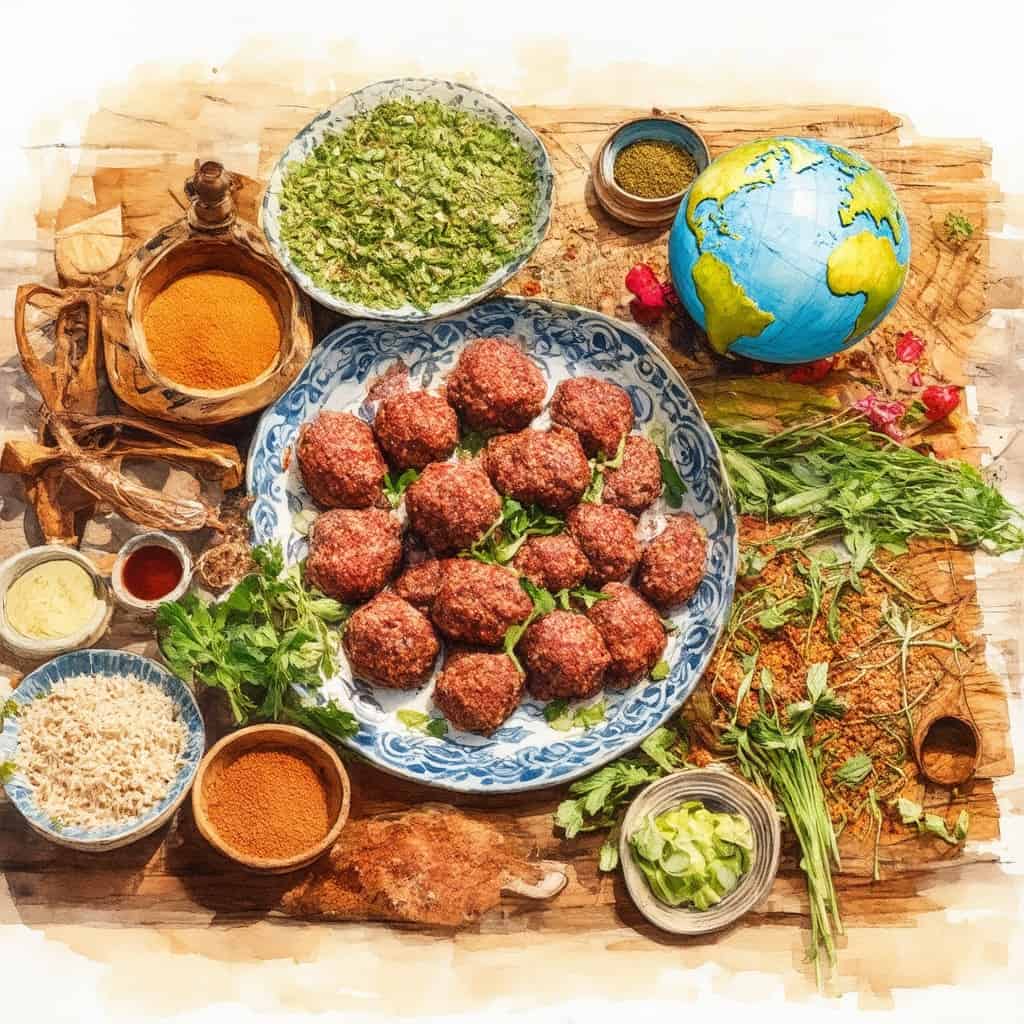
Kofta, a beloved dish across various cultures, offers a range of health benefits when prepared with care. Understanding the nutritional profile of kofta can help you make informed choices about incorporating it into your diet.
Nutritional Benefits of Kofta: Is It a Healthy Choice?
Kofta kebabs, a popular dish in many cuisines, can be a healthy option when prepared thoughtfully. Here are some key health benefits and considerations:
- High in Protein: Kofta kebabs are primarily made from ground meat, which is an excellent source of protein. Protein is essential for muscle repair, growth, and overall bodily functions. According to the USDA, a serving of lean ground meat can provide around 22 grams of protein.
- Rich in Iron: The meat used in kofta is also a good source of iron, which is crucial for oxygen transport in the blood and energy production. Iron deficiency can lead to fatigue and decreased immunity. The National Institutes of Health (NIH) highlights the importance of iron in maintaining optimal health.
- Vitamins and Minerals: Depending on the ingredients used, kofta can also provide various vitamins and minerals. For instance, if made with herbs and spices like parsley, garlic, and cumin, it can offer additional health benefits, including anti-inflammatory properties and antioxidants.
- Healthy Fats: When prepared with lean meats and minimal added fats, kofta can be a source of healthy fats, which are important for heart health. Opting for grass-fed or organic meat can enhance the nutritional profile.
- Customization: Kofta kebabs can be easily customized to enhance their health benefits. Incorporating vegetables or using alternative proteins like lentils or chickpeas can increase fiber content, promoting digestive health.
- Cooking Method: The healthiness of kofta also depends on the cooking method. Grilling or baking kofta kebabs is a healthier option compared to frying, as it reduces added fats and calories.
In conclusion, kofta kebabs can be a nutritious addition to your diet when made with lean meats and healthy ingredients. For more detailed nutritional information, consider resources from the USDA and NIH, which provide comprehensive data on the benefits of protein and iron in your diet.
Healthier Kofta Options: Kofta Veg and Other Alternatives
For those seeking healthier alternatives, kofta veg options are gaining popularity. These variations not only cater to vegetarian diets but also offer unique flavors and nutritional benefits:
- Lauki Kofta: Made from bottle gourd, this dish is rich in vitamins and low in calories, making it a great option for weight management.
- Paneer Kofta: Combining paneer with spices creates a creamy and delicious dish that is high in protein and calcium.
- Malai Kofta: This indulgent dish features kofta in a rich, creamy sauce, but can be made healthier by using low-fat dairy or plant-based alternatives.
- Vegetable Kofta: Incorporating a variety of vegetables increases fiber content and adds essential nutrients, making it a wholesome choice.
By exploring these healthier kofta options, you can enjoy the rich flavors of this dish while maintaining a balanced diet. For more delicious kofta recipes, check out our collection that highlights the versatility of this beloved dish.
Kofta Recipes to Try
Exploring the world of kofta opens up a delightful array of recipes that cater to various tastes and preferences. From traditional beef kofta to creamy malai kofta, each recipe brings its unique flavor profile and cooking techniques. Here, we delve into two standout kofta recipes that are sure to impress.
Beef Kofta Recipe: A Classic Dish
The beef kofta recipe is a staple in many households, celebrated for its rich flavors and satisfying texture. To prepare this classic dish, you will need:
- 1 pound ground beef
- 1 small onion, finely chopped
- 2 cloves garlic, minced
- 1 tablespoon ground cumin
- 1 tablespoon ground coriander
- Salt and pepper to taste
- Fresh parsley, chopped (for garnish)
Combine all ingredients in a bowl, shape into kebabs, and grill or bake until cooked through. Serve with a side of kofta curry for a complete meal.
Malai Kofta Recipe: Creamy and Delicious
For those seeking a vegetarian option, the malai kofta recipe offers a delightful twist. This dish features soft kofta made from paneer and vegetables, served in a rich, creamy sauce. Here’s what you’ll need:
- 1 cup grated paneer
- 1 cup grated lauki (bottle gourd)
- 1/2 cup all-purpose flour
- 1 teaspoon garam masala
- Salt to taste
- 1 cup cream
- 1 tablespoon butter
Mix the paneer, lauki, flour, garam masala, and salt to form small balls. Fry until golden brown. For the sauce, sauté onions, tomatoes, and cream, then add the kofta. Serve hot with rice or naan for a comforting meal.
Kofta Recipes to Try
Beef Kofta Recipe: A Classic Dish
Beef kofta is a beloved dish that showcases the rich flavors of ground beef combined with aromatic spices. To prepare a traditional beef kofta recipe, you will need:
- 1 pound ground beef
- 1 onion, finely chopped
- 2 cloves garlic, minced
- 1 tablespoon ground cumin
- 1 tablespoon ground coriander
- 1 teaspoon paprika
- Salt and pepper to taste
- Fresh parsley, chopped (for garnish)
Mix all the ingredients in a bowl, shape them into elongated meatballs, and grill or bake until cooked through. Serve with a side of kofta curry or as part of a kofta kebab platter.
Malai Kofta Recipe: Creamy and Delicious
For a vegetarian twist, malai kofta is a delightful option that features soft, creamy dumplings made from paneer and vegetables. The ingredients for a malai kofta recipe include:
- 1 cup paneer, grated
- 1 cup grated lauki (bottle gourd)
- 1/2 cup all-purpose flour
- 1 teaspoon garam masala
- Salt to taste
- For the gravy: 1 onion, 2 tomatoes, and cream
Combine paneer, lauki, flour, garam masala, and salt to form the kofta. Fry until golden brown. For the gravy, sauté onions and tomatoes, blend, and add cream for richness. Serve the malai kofta with naan or rice for a satisfying meal.