

Key Takeaways
- Master the art of baked French toast with the right bread selection—opt for sturdy varieties like brioche or challah for optimal texture.
- Avoid sogginess by controlling your custard ratio and soaking time—30 minutes to 1 hour is ideal.
- Perfect your baking technique at 350°F (175°C) for a golden-brown top and a fluffy interior.
- Enhance flavor by incorporating spices and fresh fruits, and consider using whole grain bread for a healthier twist.
- Make entertaining easy with a baked French toast casserole, prepared the night before for stress-free serving.
Welcome to the delicious world of baked French toast, where breakfast dreams come true! In this article, we will guide you through the art of mastering the perfect oven-baked French toast casserole, ensuring that your mornings are filled with mouthwatering flavors and delightful aromas. Have you ever wondered, “Can you do French toast in the oven?” or faced the dreaded sogginess that can plague this beloved dish? Fear not! We’ll explore essential cooking tips to avoid common pitfalls, share a simple recipe to get you started, and delve into the health insights that make baked French toast overnight a nutritious option. From understanding the ideal cooking temperatures to discovering creative ways to use your oven for toast, this comprehensive guide will equip you with everything you need to impress your family and friends. So, let’s dive in and transform your breakfast routine with the ultimate baked French toast experience!
Can you do French toast in the oven?
Yes, you can definitely make French toast in the oven, and it’s a great method for preparing multiple servings at once. Here’s a comprehensive guide on how to do it effectively:
Baked French toast easy: A simple recipe to get started
To create a delicious and easy baked French toast, gather the following ingredients:
- 1 loaf of bread (preferably thick-sliced, such as brioche or challah)
- 4 large eggs
- 1 cup of milk (whole or a non-dairy alternative)
- 1 teaspoon vanilla extract
- 1 teaspoon ground cinnamon
- Pinch of salt
- Optional toppings: maple syrup, powdered sugar, fresh fruits, or nuts
Follow these preparation steps:
- Preheat your oven to 350°F (175°C).
- In a large mixing bowl, whisk together the eggs, milk, vanilla extract, cinnamon, and salt until well combined.
- Arrange the slices of bread in a single layer in a greased baking dish. You can overlap them slightly if necessary.
- Pour the egg mixture evenly over the bread, ensuring each slice is well soaked. For best results, let it sit for about 10-15 minutes to absorb the mixture.
- Optionally, sprinkle additional cinnamon or sugar on top for extra flavor.
For baking, cover the baking dish with aluminum foil and bake for 20 minutes. Remove the foil and bake for an additional 10-15 minutes, or until the top is golden brown and the custard is set. Serve warm with your choice of toppings such as maple syrup, fresh berries, or a dusting of powdered sugar.
Baking French toast in the oven not only simplifies the cooking process but also allows for a delightful, evenly cooked dish that can be enjoyed by the whole family. This method is particularly useful for brunch gatherings or holiday breakfasts.
Oven baked French toast casserole: The perfect dish for gatherings
For larger gatherings, consider making an oven baked French toast casserole. This dish can be prepared the night before, allowing the flavors to meld beautifully. Here’s how to make it:
- Use the same ingredients as above, but increase the quantities based on the number of servings needed.
- Layer the bread slices in a greased casserole dish, and pour the egg mixture over the top.
- Cover and refrigerate overnight to let the bread soak up the mixture.
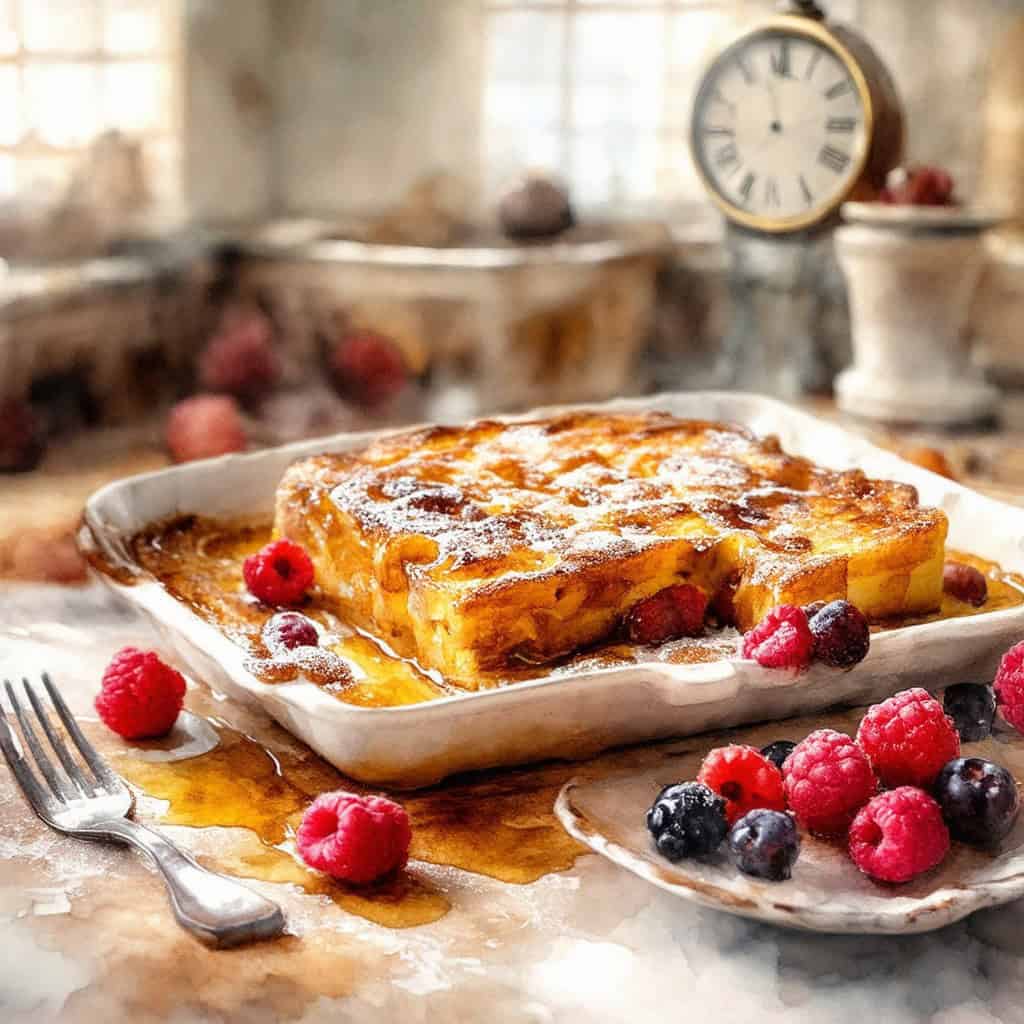
When ready to bake, preheat the oven to 350°F (175°C) and bake uncovered for about 45 minutes, or until the top is golden and the center is set. This casserole is perfect for serving a crowd and can be topped with a sprinkle of powdered sugar or fresh fruit for a festive touch.
For more culinary tips and recipes, you can explore resources from reputable cooking websites like Food Network or Allrecipes.

Is Baked French Toast Soggy?
Baked French toast can indeed turn out soggy if not prepared correctly. This dish, often likened to bread pudding, consists of thick slices of bread soaked in a custard mixture, typically made from eggs, milk, and sugar. To ensure your baked French toast is fluffy and not soggy, consider the following tips:
- Choose the Right Bread: Use sturdy bread varieties like brioche, challah, or sourdough. These types have a denser texture that holds up better during baking.
- Proper Soaking Time: Allow the bread to soak in the custard mixture for an adequate amount of time, but avoid over-soaking. A soaking time of 30 minutes to 1 hour is usually ideal. This allows the bread to absorb enough liquid without becoming overly saturated.
- Custard Ratio: Maintain a balanced custard ratio. A typical recipe includes 1 cup of milk for every 2 eggs. Adjusting this ratio can help control the moisture content.
- Baking Temperature and Time: Bake at a moderate temperature (around 350°F or 175°C) for 30-40 minutes. This allows the custard to set properly without overcooking the bread.
- Use a Baking Dish with Sides: A dish with higher sides can help contain the custard and prevent excess moisture from escaping, leading to a fluffier texture.
- Add Toppings Wisely: If you plan to add fruits or syrups, consider their moisture content. Fresh fruits can release water during baking, contributing to sogginess. Opt for drier toppings or add them after baking.
- Rest Before Serving: Let the baked French toast rest for a few minutes after removing it from the oven. This helps the custard to firm up slightly, making it easier to cut and serve.
By following these guidelines, you can achieve a delightful baked French toast that is fluffy and enjoyable, rather than soggy. For further reading on baking techniques and recipes, consider resources from culinary experts or reputable cooking websites.
Tips to Avoid Sogginess in Baked French Toast
To enhance your baked French toast experience, here are additional strategies to avoid sogginess:
- Pre-toast the Bread: Lightly toasting the bread before soaking can create a barrier that helps it absorb less custard, resulting in a firmer texture.
- Use a Thick Custard: Incorporating a bit of cream or yogurt into your custard can thicken it, reducing the likelihood of sogginess.
- Experiment with Flavors: Adding spices like cinnamon or nutmeg can enhance flavor without adding moisture.
These tips will help you create a perfectly baked French toast that is both delicious and satisfying.
Barefoot Contessa Baked French Toast Casserole: A Reliable Recipe
If you’re looking for a tried-and-true recipe, the Barefoot Contessa’s baked French toast casserole is a fantastic option. This recipe combines the richness of eggs and cream with the sweetness of maple syrup, creating a decadent dish perfect for brunch or special occasions. The casserole style allows for easy serving, making it ideal for gatherings.
To make this casserole, simply layer your choice of bread in a baking dish, pour the custard mixture over it, and let it sit overnight. This baked French toast overnight method ensures that the bread absorbs all the flavors, resulting in a delightful texture. Bake it in the morning, and you’ll have a warm, comforting dish ready to impress your guests.
What is the most common mistake in making French toast?
One of the most common mistakes in making French toast is not achieving the right balance of ingredients, particularly the egg-to-liquid ratio. This ratio is crucial because it directly affects the texture and flavor of the final dish. Here are key points to consider for perfecting your French toast:
- Ingredient Ratios: A typical ratio is one egg for every half cup of milk or cream. This ensures that the bread is adequately soaked without becoming overly soggy. Adjusting this ratio can lead to either dry or mushy French toast.
- Bread Selection: The type of bread used significantly impacts the outcome. Stale or day-old bread works best as it absorbs the egg mixture without falling apart. Brioche, challah, or sourdough are excellent choices due to their density and flavor.
- Soaking Time: Allow the bread to soak for at least 30 seconds on each side. If you soak it too briefly, the bread won’t absorb enough of the mixture, leading to a dry texture. Conversely, soaking for too long can make it overly soggy.
- Cooking Temperature: Cooking French toast on too high a heat can result in burnt exteriors and undercooked interiors. A medium heat allows for even cooking and a golden-brown crust.
- Seasoning: Adding a pinch of salt and a dash of vanilla or cinnamon can enhance the flavor profile. Salt not only balances sweetness but also elevates the overall taste.
- Toppings: While syrup is a classic choice, consider fresh fruits, whipped cream, or even a sprinkle of powdered sugar for added flavor and presentation.
For further insights, refer to culinary experts like those at the Culinary Institute of America, which emphasizes the importance of technique and ingredient quality in achieving culinary excellence. By avoiding these common pitfalls and focusing on the right techniques, you can elevate your French toast to a restaurant-quality dish.
Healthy baked French toast: Making nutritious choices
When it comes to enjoying baked French toast, making healthier choices can enhance both the flavor and nutritional value of this beloved dish. Here are some tips for creating a healthy baked French toast:
- Whole Grain Bread: Opt for whole grain or whole wheat bread instead of white bread. This choice increases fiber content and adds essential nutrients.
- Reduce Sugar: Consider using natural sweeteners like honey or maple syrup in moderation. You can also experiment with spices like cinnamon to add sweetness without extra sugar.
- Low-Fat Dairy: Use low-fat milk or almond milk in your egg mixture. This substitution reduces calories while still providing a creamy texture.
- Add Fruits: Incorporate fresh fruits like berries or bananas into your baked French toast. They not only add natural sweetness but also boost vitamins and antioxidants.
- Protein Boost: For added protein, consider mixing in Greek yogurt or cottage cheese into the egg mixture. This will help keep you fuller for longer.
By making these nutritious choices, you can enjoy a delicious baked French toast that aligns with your health goals while still being indulgent. For more flavorful recipes for breakfast, explore our seasoning ingredients for baked dishes.
Why is French toast considered unhealthy?
French toast is often considered unhealthy due to several factors related to its ingredients and preparation methods. Here’s a detailed breakdown:
- High in Refined Carbohydrates: Traditional French toast is made with white bread, which is typically made from refined wheat flour. This type of carbohydrate can lead to rapid spikes in blood sugar levels, contributing to energy crashes and increased hunger shortly after consumption (American Heart Association).
- Added Sugars: Many recipes call for sugar in the batter and often include syrup as a topping. Excessive sugar intake is linked to various health issues, including obesity, type 2 diabetes, and heart disease (World Health Organization).
- High in Saturated Fats: The use of butter for cooking French toast adds saturated fats, which can raise cholesterol levels and increase the risk of heart disease when consumed in excess (American Heart Association).
- Low Nutritional Value: While French toast does provide some protein from eggs and calcium from milk, it lacks essential nutrients and fiber found in whole grains and fruits. This can lead to a less balanced meal overall (Harvard T.H. Chan School of Public Health).
- Portion Size and Toppings: Often, French toast is served in large portions and topped with additional high-calorie ingredients like whipped cream or sugary fruits, further increasing its caloric content without adding significant nutritional benefits.
To make French toast healthier, consider using whole grain bread, reducing the amount of sugar, and opting for healthier toppings like fresh fruit or a sprinkle of cinnamon. This approach can help maintain the enjoyment of the dish while improving its nutritional profile.
Baked French toast overnight: Healthier alternatives
Preparing baked French toast overnight can be a game-changer for those looking to enjoy a healthier breakfast option. By allowing the dish to soak overnight, you can use whole grain bread, which is higher in fiber and nutrients compared to white bread. Additionally, consider these healthier alternatives:
- Reduce Sugar Content: Use natural sweeteners like mashed bananas or applesauce instead of refined sugar. This not only lowers the sugar content but also adds flavor and moisture.
- Incorporate Nutritious Ingredients: Add ingredients like chia seeds or flaxseeds for added omega-3 fatty acids and fiber. You can also mix in fresh fruits such as berries or sliced apples for extra vitamins and antioxidants.
- Use Low-Fat Dairy: Opt for low-fat milk or plant-based milk alternatives to reduce saturated fat content while still achieving a creamy texture.
By making these adjustments, baked French toast overnight can transform into a delicious yet nutritious breakfast that aligns with healthier eating habits.
Can I do toast in the oven?
Yes, you can make toast in the oven! Here’s a step-by-step guide to achieve perfectly toasted bread without a toaster:
- Preheat the Oven: Set your oven to broil on high. This method uses direct heat from above, similar to a toaster.
- Prepare the Bread: Place your slices of bread directly on the oven rack or on a baking sheet. For added flavor, consider spreading a thin layer of butter or olive oil on the bread before toasting.
- Broil the Bread: Insert the bread into the oven. Keep a close eye on it, as it can toast quickly—usually within 1 to 3 minutes.
- Flip for Even Toasting: For a more uniform toast, flip the bread halfway through the broiling process. This ensures both sides are evenly toasted.
- Remove and Serve: Once the bread reaches your desired level of toastiness, carefully remove it from the oven. Let it cool for a moment before serving.
Using the oven for toasting is a great alternative, especially when preparing multiple slices at once. This method can also be useful for toasting bread for recipes like bruschetta or for making croutons.
For more tips on enhancing your toast, consider experimenting with different types of bread, such as sourdough or whole grain, which can add unique flavors and textures. Additionally, topping your toast with ingredients like avocado, tomatoes, or even gourmet salts can elevate your dish. For instance, using specialty salts from Salts Worldwide can enhance the flavor profile of your toast, making it a gourmet experience.
Creative ways to use your oven for toast
Beyond traditional toast, your oven can be a versatile tool for creating delicious variations. Here are some creative ideas:
- Garlic Bread: Spread butter mixed with minced garlic and herbs on slices of bread, then toast in the oven for a flavorful side dish.
- Bruschetta: Top toasted bread with diced tomatoes, basil, and a drizzle of balsamic vinegar for a fresh appetizer.
- Cheesy Toast: Add cheese on top of your bread slices before toasting for a melty, savory treat.
- French Toast Bake: Use your oven to create a baked French toast casserole, combining bread, eggs, and milk for a delightful breakfast option.
These creative uses not only make the most of your oven but also allow you to explore different flavors and textures in your meals.
Oven baked French toast with sliced bread: A versatile option
Oven baked French toast is a fantastic way to prepare a delicious breakfast for a crowd. Using sliced bread, you can create a baked French toast overnight that is both easy and satisfying. Here’s a simple recipe to get you started:
- Ingredients: Gather sliced bread, eggs, milk, vanilla extract, and your choice of spices like cinnamon or nutmeg.
- Preparation: In a bowl, whisk together the eggs, milk, vanilla, and spices. Layer the sliced bread in a baking dish and pour the egg mixture over the top, ensuring all slices are soaked.
- Chill Overnight: Cover the dish and refrigerate overnight. This allows the bread to absorb the flavors fully.
- Bake: Preheat your oven and bake the casserole until golden brown and set. Serve with maple syrup or fresh fruit.
This oven baked French toast casserole is perfect for gatherings, offering a delicious and convenient way to serve breakfast to family and friends.
What temperature should I cook French toast at?
To achieve the perfect baked French toast, it is essential to cook it at the right temperature to ensure a golden-brown exterior while maintaining a soft, custardy interior. Here’s a detailed guide on how to cook French toast effectively:
1. **Preheat Your Cooking Surface**:
– For optimal results, preheat a nonstick griddle or skillet to **375°F (190°C)**. This temperature allows for even cooking and helps achieve that desirable crispiness without burning the bread.
2. **Cooking Method**:
– If using a skillet, set the heat to **medium**. This setting typically corresponds to around **350°F (175°C)**, but it may vary depending on your stovetop. Adjust the heat as necessary to maintain the ideal cooking temperature.
3. **Preparation Tips**:
– Lightly oil or butter the cooking surface before adding the bread. This not only prevents sticking but also enhances flavor. Use unsalted butter for a rich taste or a high-smoke point oil, like canola or avocado oil, for a healthier option.
4. **Cooking Time**:
– Cook each slice of French toast for about **2-4 minutes per side**. Keep an eye on the color; you want a deep golden brown. If the toast is browning too quickly, reduce the heat slightly.
5. **Serving Suggestions**:
– Serve immediately with toppings like maple syrup, fresh fruits, or a sprinkle of powdered sugar for added flavor.
For further insights on cooking techniques and temperature control, refer to culinary resources such as the USDA Food Safety and Inspection Service and the American Culinary Federation, which provide guidelines on food preparation and safety.
Baked French toast not overnight: Quick cooking tips
If you’re looking to whip up a delicious baked French toast without the overnight preparation, here are some quick cooking tips to keep in mind:
– **Use Stale Bread**: Stale or day-old bread absorbs the egg mixture better, resulting in a more flavorful dish. Consider using brioche or challah for a richer taste.
– **Mix Ingredients Thoroughly**: Ensure that your egg mixture is well combined with milk, sugar, and spices. This helps in evenly coating the bread slices.
– **Bake at the Right Temperature**: Set your oven to **350°F (175°C)** for baking. This temperature allows the French toast to cook through without drying out.
– **Cover with Foil**: If you notice the top browning too quickly, cover the dish with foil for the first half of the baking time. This will help cook the inside thoroughly while preventing the top from burning.
– **Check for Doneness**: Bake for about **30-40 minutes**, checking for a firm texture and a golden top. A toothpick inserted in the center should come out clean.
By following these tips, you can enjoy a delightful baked French toast that rivals the traditional overnight method, perfect for any brunch gathering or a cozy breakfast at home.
Conclusion: Mastering the art of baked French toast
Mastering the art of baked French toast is all about understanding the nuances of preparation and cooking. With the right techniques, you can create a delicious dish that is perfect for any occasion, whether it’s a cozy family breakfast or a festive gathering. Here are some essential tips and tricks to ensure your baked French toast turns out perfectly every time.
Recap of essential tips and tricks for success
- Choose the right bread: Opt for thick slices of bread like brioche or challah, which absorb the custard mixture well without becoming overly soggy.
- Use a custard base: A mixture of eggs, milk, and spices is crucial. Allow the bread to soak in this mixture for at least 30 minutes, or overnight for a baked French toast overnight option.
- Control the baking temperature: Bake at 350°F (175°C) for even cooking and to achieve a golden-brown top.
- Experiment with flavors: Incorporate spices like cinnamon or nutmeg, and consider adding fruits or nuts for added texture and flavor.
- Serve with toppings: Enhance your dish with maple syrup, fresh berries, or a sprinkle of powdered sugar for a delightful finish.
Encouragement to experiment with different baked French toast recipes
Don’t hesitate to get creative with your baked French toast. Try different bread types, custard flavors, and toppings to find your perfect combination. For a crowd-pleasing option, consider making an oven baked French toast casserole that can be prepared ahead of time and baked just before serving. This not only saves time but also allows you to enjoy the company of your guests without being stuck in the kitchen.
For more inspiration, check out resources like Food Network or Allrecipes for a variety of baked French toast recipes that can elevate your brunch game. Remember, the key to mastering baked French toast lies in practice and experimentation, so have fun in the kitchen!