

Key Takeaways
- Tenderize Your Chicken: Buttermilk’s lactic acid breaks down proteins, resulting in juicy, tender chicken.
- Flavor Boost: The tanginess of buttermilk enhances seasoning, enriching your fried chicken’s flavor profile.
- Moisture Retention: Marinating chicken in buttermilk helps keep it moist during cooking, perfect for lean cuts.
- Crispy Coating: Buttermilk allows breading to adhere better, giving you a perfectly crispy fried chicken crust.
- Healthier Alternative: Buttermilk is lower in fat than cream, providing a nutritious option for fried chicken recipes.
- Versatile Usage: Explore various buttermilk chicken recipes, from classic fried chicken to innovative burgers.
Welcome to our ultimate guide on mastering buttermilk chicken, where we delve into the secrets behind achieving the perfect fried chicken recipe. If you’ve ever wondered what buttermilk does to chicken or how to enhance your fried chicken with this creamy ingredient, you’re in the right place. In this article, we will explore the science behind buttermilk for fried chicken, uncovering its benefits and the essential ingredients needed for a mouthwatering buttermilk chicken recipe. We’ll provide a step-by-step guide to making buttermilk fried chicken that will impress your family and friends. Additionally, we will address common questions such as how long to soak chicken in buttermilk and whether you should rinse it before frying. With variations like buttermilk chicken burgers and tips for ensuring a perfect coating, this comprehensive guide will equip you with everything you need to elevate your fried chicken game. Get ready to transform your cooking with our expert insights on fried chicken in buttermilk!
What does buttermilk do to chicken?
The Science Behind Buttermilk and Chicken
Buttermilk serves as an excellent marinade for chicken, providing several benefits that enhance both flavor and texture. Here’s how buttermilk affects chicken:
- Tenderization: The lactic acid in buttermilk breaks down protein structures in the chicken, resulting in a more tender and juicy final product. This process is supported by research from the Journal of Food Science, which highlights the effectiveness of acidic marinades in meat tenderization.
- Flavor Enhancement: Buttermilk adds a subtle tanginess to chicken, enriching its flavor profile. The fermentation process involved in buttermilk production introduces complex flavors that complement various seasonings and spices.
- Moisture Retention: Marinating chicken in buttermilk helps retain moisture during cooking. This is particularly beneficial for lean cuts of chicken, which can easily dry out. A study published in the Meat Science journal indicates that marination can significantly improve moisture content in cooked meats.
- Breading Adhesion: The creamy texture of buttermilk allows breading to adhere better to chicken, resulting in a crispier crust when fried or baked. This is particularly useful for recipes that call for breaded chicken, as it ensures an even coating.
- Nutritional Benefits: Buttermilk is lower in fat compared to heavy creams and provides beneficial probiotics, which can aid in digestion. Incorporating buttermilk into chicken dishes can enhance the overall nutritional profile of the meal.
For optimal results, marinate chicken in buttermilk for at least 1-2 hours, or overnight for maximum tenderness and flavor absorption. This technique is widely used in Southern cooking, where buttermilk fried chicken is a staple dish. Incorporating buttermilk into your chicken preparation not only elevates the dish but also aligns with culinary trends that emphasize the use of natural ingredients for flavor enhancement.
Benefits of Using Buttermilk for Fried Chicken
Using buttermilk for fried chicken offers a range of advantages that contribute to a superior culinary experience:
- Enhanced Flavor: The tangy taste of buttermilk complements spices and seasonings, creating a deliciously seasoned fried chicken.
- Improved Texture: Buttermilk helps achieve a crispy, golden-brown crust, making each bite satisfying.
- Healthier Option: Compared to traditional marinades, buttermilk provides a lower-fat alternative while still delivering rich flavor.
- Versatility: Buttermilk can be used in various fried chicken recipes, from classic Southern styles to innovative twists, making it a staple in any kitchen.
For those seeking a buttermilk chicken recipe, the benefits of using buttermilk are clear. It not only enhances the taste and texture but also aligns with health-conscious cooking practices.
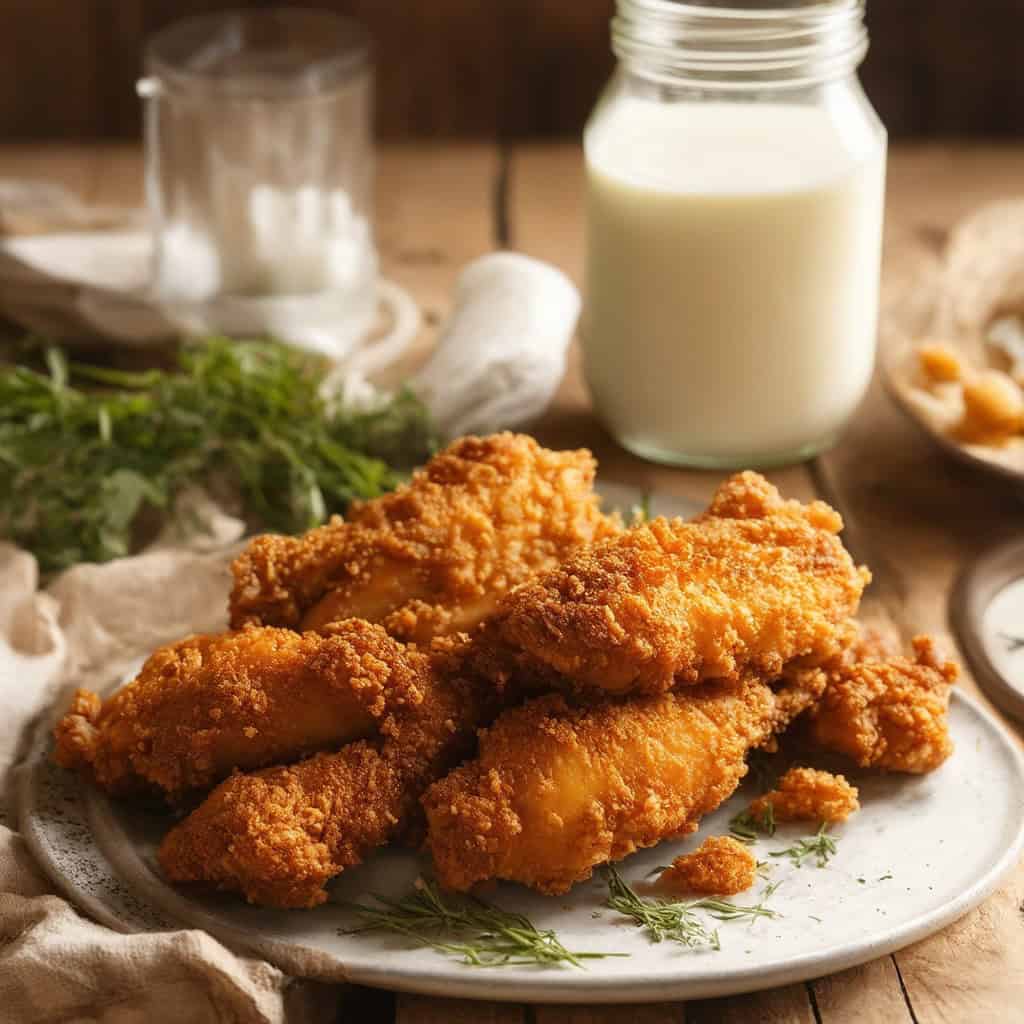
Buttermilk Chicken Recipe
Creating a delicious buttermilk chicken recipe is a rewarding culinary experience that results in tender, flavorful fried chicken. The key to achieving the perfect buttermilk fried chicken lies in selecting the right ingredients and following a straightforward cooking process. Below, we explore the essential components and provide a step-by-step guide to making this classic dish.
Essential Ingredients for a Buttermilk Chicken Recipe
- Chicken: Choose bone-in, skin-on chicken pieces for the best flavor and moisture retention.
- Buttermilk: The star ingredient, buttermilk for fried chicken tenderizes the meat and adds a tangy flavor.
- Flour: All-purpose flour is ideal for creating a crispy coating.
- Spices: Common spices include salt, pepper, paprika, garlic powder, and cayenne for heat.
- Oil: Use a neutral oil with a high smoke point, such as vegetable or peanut oil, for frying.
These ingredients come together to create a recipe for fried chicken with buttermilk that is sure to impress. For those interested in exploring more culinary techniques, check out our cooking techniques for chicken.
Step-by-Step Guide to Making Buttermilk Fried Chicken
- Marinate the Chicken: Submerge the chicken pieces in buttermilk, ensuring they are fully coated. Cover and refrigerate for at least 4 hours, or overnight for best results.
- Prepare the Breading: In a separate bowl, mix flour with your chosen spices. This mixture will create the crispy coating.
- Coat the Chicken: Remove the chicken from the buttermilk, allowing excess to drip off. Dredge each piece in the flour mixture, pressing lightly to ensure an even coating.
- Heat the Oil: In a deep skillet or fryer, heat oil to 350°F. This temperature is crucial for achieving a golden-brown crust.
- Fry the Chicken: Carefully add the coated chicken to the hot oil, frying in batches to avoid overcrowding. Cook until the internal temperature reaches 165°F and the coating is crispy, about 12-15 minutes per side.
- Drain and Serve: Remove the chicken from the oil and place it on a wire rack to drain excess oil. Serve hot and enjoy your homemade buttermilk fried chicken.
This buttermilk chicken recipe is not only simple but also guarantees a delicious outcome that will have everyone asking for seconds. For more variations and tips, explore our chicken cooking tips.
How long should you keep chicken in buttermilk?
When preparing a buttermilk chicken recipe, the soaking time is crucial for achieving the perfect balance of flavor and tenderness. To achieve optimal flavor and tenderness when marinating chicken in buttermilk, it is recommended to soak the chicken for a minimum of 4 to 8 hours. For best results, allowing the chicken to marinate overnight is ideal, as this extended time enables the buttermilk’s acidity to break down the proteins in the meat, resulting in a juicier and more flavorful dish. In situations where time is limited, a shorter marination period of about 30 minutes can still impart some benefits, although the texture and flavor may not be as pronounced.
Research indicates that buttermilk not only enhances the taste but also contributes to a more tender texture due to its lactic acid content, which helps to denature proteins in the chicken (Source: Journal of Food Science). For those looking to elevate their buttermilk chicken recipe, consider adding spices or herbs to the buttermilk mixture, such as garlic powder, paprika, or fresh herbs, to further enhance the flavor profile.
- Soak for 4-8 hours or overnight for optimal tenderness and flavor.
- A minimum of 30 minutes can suffice in a time crunch.
- Enhance the buttermilk with spices for added flavor.
Recommended Soaking Time for Buttermilk Chicken
The recommended soaking time for buttermilk chicken is essential for achieving the desired results. A soak of 4 to 8 hours allows the buttermilk to penetrate the chicken, ensuring that each bite is flavorful and tender. If you have the luxury of time, marinating overnight is the best practice, as it maximizes the benefits of the buttermilk’s acidity.
For those pressed for time, even a 30-minute soak can provide some tenderness and flavor, though it won’t be as pronounced as longer marination. Experimenting with different soaking times can help you find the perfect balance for your taste preferences.
Impact of Soaking Duration on Flavor and Texture
The duration of soaking chicken in buttermilk significantly impacts both flavor and texture. Longer soaking times allow the buttermilk to work its magic, breaking down tough proteins and infusing the chicken with rich flavors. This results in a buttermilk fried chicken that is not only juicy but also has a delightful tang that enhances the overall dish.
Conversely, shorter soaking times may result in a less flavorful and slightly firmer texture. Therefore, for the best results when marinating chicken in buttermilk, aim for at least 4 hours, and consider overnight soaking for an exceptional fried chicken with buttermilk experience.
Do I rinse the buttermilk off chicken before frying?
When preparing buttermilk chicken, a common question arises: should you rinse the buttermilk off the chicken before frying? The answer largely depends on your desired outcome for flavor and texture. Rinsing can remove some of the seasoning and flavor that has been absorbed during the marination process, while not rinsing allows for a more intense flavor profile.
Rinsing vs. Not Rinsing: What’s Best for Fried Chicken?
Choosing whether to rinse your chicken after soaking it in buttermilk for fried chicken can significantly affect the final dish. Rinsing can lead to a milder taste, as it washes away some of the buttermilk and any spices that have infused into the chicken. However, many chefs recommend skipping the rinse to retain the full flavor and moisture that the buttermilk imparts. This method enhances the overall taste of your fried chicken with buttermilk, ensuring a juicy and flavorful bite.
How Rinsing Affects the Coating of Fried Chicken with Buttermilk
Rinsing your chicken can also impact the coating’s adherence during frying. The buttermilk acts as a binder for the flour, creating a crispy crust. If you rinse the chicken, you may find that the coating does not stick as well, leading to a less satisfying crunch. For the best results, consider leaving the buttermilk on the chicken before dredging it in flour. This technique not only enhances the coating’s texture but also contributes to the overall flavor of your buttermilk fried chicken recipe.
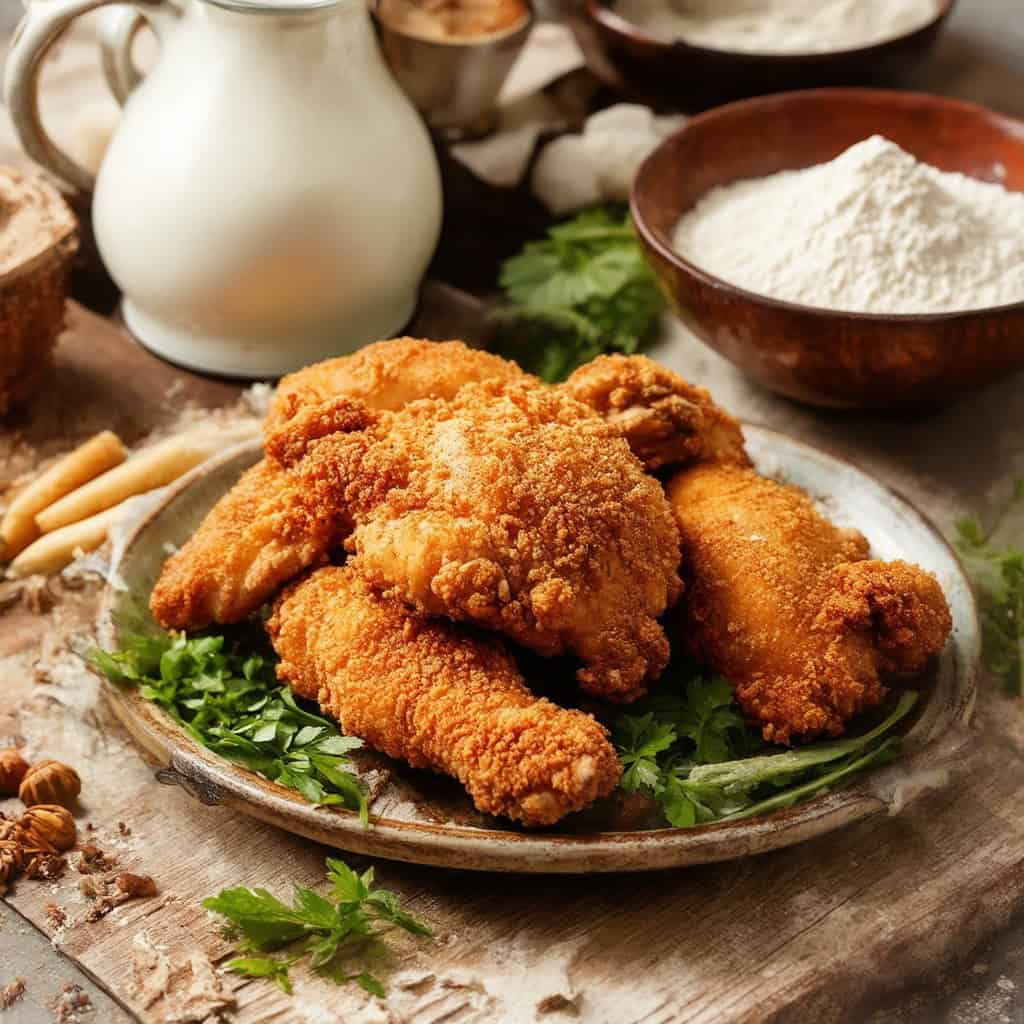
Buttermilk Chicken Variations
Exploring the world of buttermilk chicken opens up a plethora of delicious variations that can elevate your culinary experience. From burgers to air-fried delights, these adaptations maintain the essence of buttermilk for fried chicken while introducing exciting new flavors and textures.
Exploring Buttermilk Chicken Burger Recipes
Buttermilk chicken burgers are a fantastic twist on the classic fried chicken experience. By marinating chicken patties in a buttermilk chicken recipe, you ensure a juicy and flavorful bite. The tanginess of the buttermilk complements the savory spices, creating a burger that stands out. Here’s how to make it:
- Marinate: Use a recipe for buttermilk fried chicken to soak your chicken patties for at least 2 hours, allowing the flavors to penetrate.
- Coat: After marinating, coat the patties in seasoned flour for that perfect crunch.
- Cook: Grill or pan-fry the patties until golden brown and cooked through.
- Assemble: Serve on a toasted bun with your favorite toppings, such as lettuce, tomato, and a drizzle of ranch dressing.
This buttermilk fried chicken recipe can easily be adapted for burgers, making it a versatile option for any meal.
Cooking Buttermilk Chicken in an Air Fryer
For a healthier take on fried chicken with buttermilk, consider using an air fryer. This method reduces the amount of oil needed while still delivering that crispy texture we all love. Here’s a simple guide:
- Preparation: Follow your favorite chicken buttermilk recipe to marinate the chicken pieces.
- Coating: After marination, dredge the chicken in seasoned flour or breadcrumbs.
- Air Fry: Preheat the air fryer and cook the chicken at 375°F for about 25-30 minutes, flipping halfway through.
- Check Doneness: Ensure the internal temperature reaches 165°F for safe consumption.
This method not only retains the flavor of fried chicken in buttermilk but also makes it a guilt-free indulgence. Enjoy your buttermilk fried chicken with a side of your favorite dipping sauce!
Do you rinse chicken after soaking in milk?
Rinsing chicken after soaking in buttermilk is a topic of debate among culinary enthusiasts. While some chefs advocate for rinsing to remove excess buttermilk, others argue that keeping the marinade enhances flavor and moisture. Ultimately, the decision depends on the desired outcome for your buttermilk chicken recipe.
Understanding the Rinsing Process for Buttermilk Chicken
When preparing fried chicken with buttermilk, rinsing can impact the final texture and flavor. If you choose to rinse, it’s essential to do so gently to avoid washing away the tenderizing effects of the buttermilk. Rinsing can help remove any clumps of flour or seasoning that may not adhere well, but it may also wash away some of the flavor that the buttermilk imparts. For those who prefer a more intense flavor, skipping the rinse allows the chicken to retain the buttermilk’s richness.
Alternatives to Rinsing: Enhancing Flavor Without Washing
If you want to avoid rinsing but still ensure a flavorful buttermilk fried chicken, consider these alternatives:
- Pat Dry: After soaking, pat the chicken dry with paper towels. This removes excess moisture while keeping the buttermilk flavor intact.
- Season the Flour: Enhance the flavor of your breading by mixing spices directly into the flour. This method allows for a robust flavor without the need for rinsing.
- Double Dredging: For an extra crispy coating, dip the chicken in seasoned flour, then back into the buttermilk, and coat it again in flour. This technique helps create a thicker crust that adheres well.
- Use a Marinade: Instead of rinsing, consider marinating the chicken in a blend of buttermilk and spices for a longer period. This method infuses the chicken with flavor and moisture without the need for rinsing.
By understanding the rinsing process and exploring alternatives, you can achieve the perfect recipe for fried chicken with buttermilk that suits your taste preferences. For more tips on cooking techniques, check out our guide on cooking techniques for chicken.
Why does the flour fall off my buttermilk chicken?
When preparing buttermilk chicken, one common issue cooks face is the flour falling off during frying. This can lead to disappointing results, leaving your fried chicken with buttermilk lacking the desired crispy coating. Understanding the reasons behind this problem can help you achieve the perfect texture and flavor.
Common Mistakes Leading to Flour Loss on Fried Chicken
Several factors can contribute to flour falling off your buttermilk fried chicken. Here are some common mistakes to avoid:
- Insufficient Marination Time: Not allowing the chicken to soak in fried chicken in buttermilk long enough can prevent the flour from adhering properly. Aim for at least 4 hours, or overnight for best results.
- Wet Chicken Surface: If the chicken is too wet when you coat it with flour, the flour will not stick effectively. Pat the chicken dry with paper towels before dredging.
- Incorrect Flour Type: Using a flour that is too fine can lead to poor adhesion. Opt for all-purpose flour or a mix of flour and cornstarch for better results.
- Overcrowding the Frying Pan: Frying too many pieces at once can lower the oil temperature, causing the coating to loosen. Fry in batches to maintain consistent heat.
Tips for Ensuring a Perfect Coating on Fried Chicken with Buttermilk
To achieve a flawless coating on your buttermilk chicken recipe, consider these helpful tips:
- Double Dredge Technique: After the initial coating of flour, dip the chicken back into the buttermilk for fried chicken and then coat it again with flour. This creates a thicker, more resilient crust.
- Chill Before Frying: Let the coated chicken rest in the refrigerator for about 30 minutes before frying. This helps the coating adhere better.
- Use a Dry Brine: Season the chicken with salt and let it sit for a while before marinating in buttermilk. This enhances flavor and helps the coating stick.
- Maintain Oil Temperature: Use a thermometer to ensure the oil is at the right temperature (around 350°F) before adding the chicken. This helps create a crispy exterior.
By avoiding common pitfalls and following these tips, you can ensure that your fried chicken with buttermilk has a deliciously crispy coating that holds up during cooking. For a delightful recipe for fried chicken with buttermilk, check out our perfect ribs recipe for more cooking techniques.