
Key Takeaways
- Understand Epsom Salt: Epsom salt, or magnesium sulfate, offers therapeutic benefits, including muscle relaxation and stress relief.
- Be Aware of Side Effects: Common side effects of Epsom salt baths include skin irritation, dry skin, and allergic reactions; always test a small area first.
- Monitor Health Conditions: Individuals with conditions like low blood pressure or kidney issues should consult a healthcare professional before use.
- Recognize Allergic Reactions: Symptoms like hives, swelling, or difficulty breathing require immediate discontinuation and medical attention.
- Safe Usage Guidelines: Limit soaking time and maintain hydration to prevent adverse effects from high magnesium levels.
- Enjoy the Benefits: Regular Epsom salt baths can improve sleep quality, reduce muscle soreness, and promote relaxation when used safely.
Welcome to our comprehensive guide on the reaction to Epsom salt baths, where we delve into the myriad effects and benefits of this popular wellness practice. Epsom salt, known scientifically as magnesium sulfate, has been celebrated for its therapeutic properties, but it’s essential to understand both its advantages and potential side effects. In this article, we will explore what Epsom salt is, the side effects of Epsom salt baths, and how to recognize allergic reactions that may arise. We will also provide safe usage guidelines to ensure you can enjoy the benefits of Epsom salt baths without adverse effects. From understanding skin reactions to identifying who should avoid these baths, our insights will equip you with the knowledge to make informed decisions. Join us as we uncover the truth behind Epsom salt and its impact on your health and well-being.
Understanding Epsom Salt: What is Epsom Salt?
Epsom salt, scientifically known as magnesium sulfate, is a naturally occurring mineral compound that has been used for centuries for its therapeutic properties. It is commonly dissolved in warm water to create an Epsom salt bath, which is believed to provide numerous health benefits. The primary component, magnesium, plays a crucial role in various bodily functions, including muscle relaxation and stress relief. Understanding what Epsom salt is and how it works can help you maximize its benefits while being aware of potential side effects.
What are the side effects of Epsom salt baths?
Epsom salt baths are popular for their potential health benefits, but they can also have side effects. Here are some of the key side effects to consider:
- Sensitive Skin: Individuals with sensitive skin may experience irritation, redness, or rashes after soaking in Epsom salt baths. It’s advisable to test a small area of skin before full immersion.
- Dry Skin: Prolonged exposure to Epsom salts can lead to dryness. Medical News Today notes that frequent foot soaks may dry out the skin, suggesting moderation in usage to prevent excessive dryness.
- Allergic Reactions: Some people may develop allergic reactions to Epsom salts, which can manifest as itching, hives, or other skin symptoms. If any of these occur, discontinue use immediately.
- Burns or Wounds: Soaking in Epsom salt water can exacerbate conditions like burns, open wounds, or skin infections. It is crucial to avoid Epsom salt baths if you have any of these conditions.
- Low Blood Pressure: The warm water in Epsom salt baths can lower blood pressure, which may pose risks for individuals with pre-existing low blood pressure. Monitoring your blood pressure before and after bathing is recommended.
- Muscle Weakness: Some users report experiencing muscle weakness or fatigue after soaking. This may be due to the relaxing effects of magnesium sulfate, the active ingredient in Epsom salts.
- Irregular Heartbeat: In rare instances, soaking in hot water or Epsom salt baths could lead to an irregular heartbeat. Individuals with heart conditions should consult a healthcare professional before use.
- Dizziness or Lightheadedness: Some individuals may feel dizzy or lightheaded after soaking, particularly if they are dehydrated or have been in hot water for too long.
It is essential for individuals with health concerns, including sensitive skin, burns, or existing medical conditions, to consult with a healthcare provider before using Epsom salts. Start slowly with a small amount of salt (about 1-2 cups) and gradually increase as tolerated, ensuring your body adjusts to the treatment. Monitor your skin for any signs of irritation, dryness, or allergic reactions during and after the bath, and apply a good moisturizer afterward to maintain skin hydration.
Epsom salt: benefits and uses in baths
The benefits of Epsom salt baths are numerous and well-documented. Many users report enhanced relaxation, reduced muscle soreness, and improved sleep quality after soaking in Epsom salt. The magnesium in Epsom salt is known for its ability to ease muscle tension and promote relaxation, making it a popular choice for athletes and those with active lifestyles.
Additionally, Epsom salt baths can help with detoxification, as the magnesium sulfate may assist in drawing out toxins from the body. This detoxifying effect can lead to a feeling of rejuvenation and increased energy levels. Furthermore, Epsom salt is often used in beauty routines for its exfoliating properties, helping to soften skin and alleviate conditions like acne or eczema.
For more insights on the incredible benefits of Epsom salt baths, consider exploring reputable sources such as Healthline and Mayo Clinic.

Recognizing Allergic Reactions: What Does an Allergic Reaction to Epsom Salt Look Like?
An allergic reaction to Epsom salt, which is primarily composed of magnesium sulfate, can manifest in several ways. Here are the key symptoms and considerations:
- Skin Reactions: Common signs of an allergic reaction include:
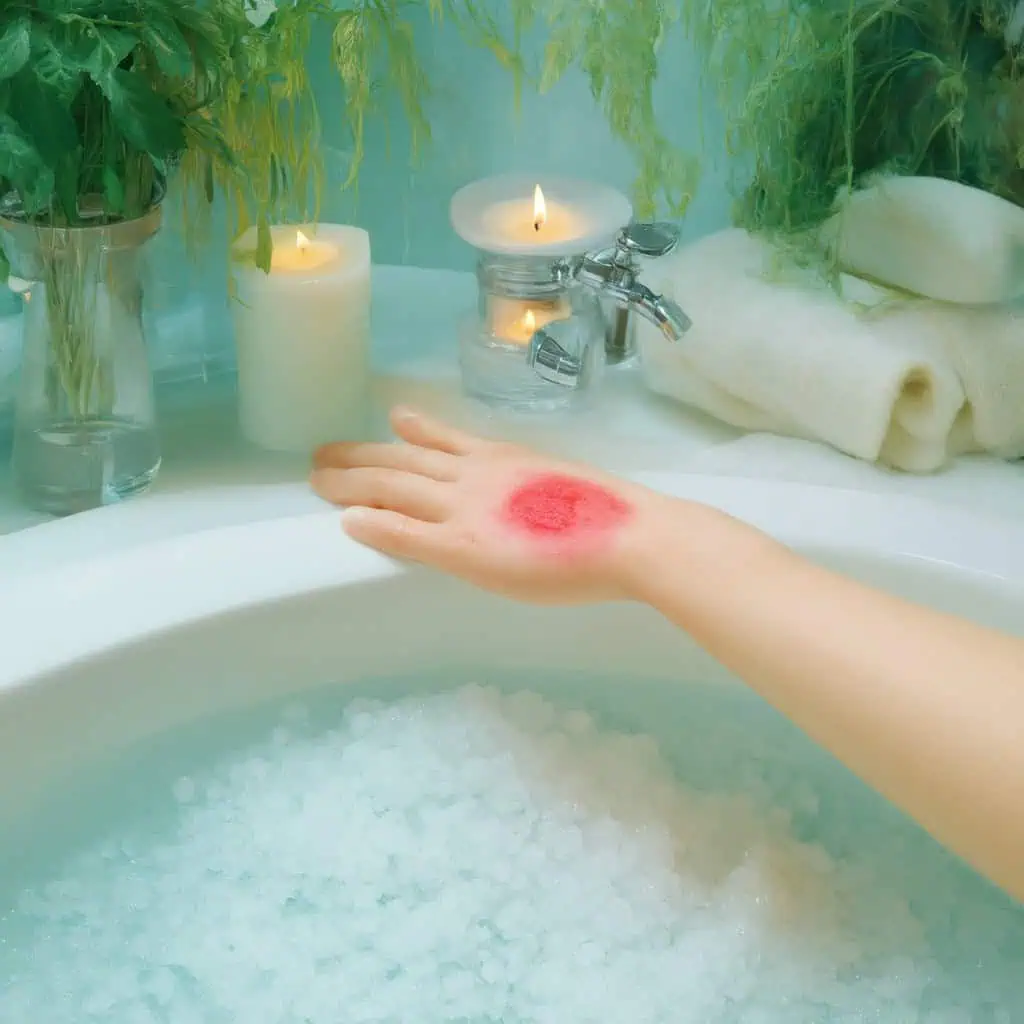
- Skin Rashes: These may appear as red, itchy patches on the skin.
- Hives (Urticaria): Raised, red welts or splotches that can be extremely itchy.
- Itching: Persistent itching may occur, indicating hypersensitivity.
- Swelling:
- Localized Swelling: This can affect areas such as the face, lips, tongue, or throat, which may lead to discomfort and potential airway obstruction.
- Respiratory Symptoms:
- Difficulty Breathing: Wheezing or coughing can indicate a more severe allergic response.
- Asthmatic Reactions: Individuals with asthma may experience exacerbated symptoms.
- Anaphylaxis:
- In rare instances, a severe allergic reaction known as anaphylaxis can occur. Symptoms include:
- Feeling faint or lightheaded
- Rapid heartbeat
- Confusion or anxiety
- Clammy skin
- Loss of consciousness
- In rare instances, a severe allergic reaction known as anaphylaxis can occur. Symptoms include:
- Other Symptoms:
- Additional symptoms may include dizziness, fainting, upset stomach, and changes in bladder habits.
- When to Seek Medical Help:
- It is crucial to seek immediate medical attention if you experience any signs of an allergic reaction, particularly difficulty breathing, swelling of the face, lips, tongue, or throat, or symptoms indicative of anaphylaxis.
- Important Note:
- Itching or slight redness from transdermal magnesium use, such as in an Epsom salt bath, does not equate to a true allergic reaction. A true allergic response is characterized by hives and other significant signs of hypersensitivity.
For further information on allergic reactions and Epsom salt, consult reputable sources such as Healthline on Epsom Salt or Mayo Clinic on Epsom Salt.
Epsom Salt Allergic Rash: Symptoms and Treatment
Recognizing the symptoms of an Epsom salt allergic rash is essential for effective treatment. The rash may present as red, itchy patches or hives, which can be uncomfortable and distressing. Treatment options include:
- Topical Corticosteroids: These can help reduce inflammation and relieve itching.
- Antihistamines: Over-the-counter antihistamines can alleviate itching and reduce allergic reactions.
- Cold Compresses: Applying a cold compress can soothe irritated skin and reduce swelling.
- Avoiding Epsom Salt: If you suspect an allergic reaction, discontinue use and consult a healthcare professional for further advice.
For more insights on the benefits of Epsom salt baths and how to manage skin reactions, visit Epsom Salt Bath Benefits for Skin.
Safe Usage Guidelines: What happens if you soak in too much Epsom salt?
Soaking in too much Epsom salt can lead to several adverse effects, primarily due to its high concentration of magnesium sulfate. Here are the potential consequences:
- Skin Irritation and Dryness: Prolonged exposure to Epsom salt can strip moisture from the skin, resulting in irritation, itching, and even rashes. According to the American Academy of Dermatology, individuals with sensitive skin should be cautious when using Epsom salt baths.
- Dehydration: The osmotic properties of magnesium sulfate can draw water out of the body, potentially leading to dehydration. A study published in the Journal of Clinical Medicine highlights the importance of maintaining hydration when using Epsom salt for baths.
- Hypermagnesemia: Excessive magnesium levels in the body can result in hypermagnesemia, which may cause symptoms such as nausea, vomiting, low blood pressure, muscle weakness, and irregular heartbeats. The National Institutes of Health (NIH) warns that individuals with kidney issues are particularly at risk for this condition.
- Gastrointestinal Issues: Epsom salt can act as a laxative, leading to diarrhea. The Mayo Clinic notes that while magnesium sulfate can relieve constipation, overuse can result in gastrointestinal distress.
- Allergic Reactions: Although rare, some individuals may experience allergic reactions to Epsom salt. Drugs.com states that symptoms can include rash, itching, or swelling, particularly if there is a known sensitivity to magnesium sulfate.
- Other Serious Symptoms: In severe cases of hypermagnesemia, individuals may experience breathing difficulties, confusion, drowsiness, and even coma. The American Journal of Kidney Diseases emphasizes the need for medical attention if severe symptoms arise.
It is advisable to start with small amounts of Epsom salt and gradually increase as needed. The recommended dosage is typically 1-2 cups of Epsom salt per bath, as noted by health experts. Individuals with underlying health conditions, particularly those affecting the kidneys, should consult a healthcare professional before using Epsom salt baths. The Cleveland Clinic advises that medical guidance is essential for safe usage.
Epsom salt bath side effects: what to watch for
When enjoying an Epsom salt bath, it’s crucial to be aware of potential side effects. Here are some key points to consider:
- Monitor Skin Reactions: If you notice any signs of Epsom salt skin irritation, such as redness or itching, it may be best to discontinue use.
- Stay Hydrated: To mitigate the risk of dehydration, it is crucial to drink plenty of water before, during, and after soaking. The Institute of Medicine recommends adequate hydration to support overall health.
- Listen to Your Body: It is important to listen to your body and discontinue use if any adverse reactions occur. Monitoring your body’s response can help prevent complications.
In summary, while Epsom salt can provide therapeutic benefits, it is essential to use it in moderation and be aware of the potential risks associated with excessive soaking. For more information on the benefits of Epsom salt bath, visit our detailed guide.
Epsom salt poisoning: signs and emergency measures
In rare cases, excessive exposure to Epsom salt can lead to poisoning. Here are the signs to watch for and the necessary emergency measures:
- Recognize Symptoms: Symptoms of Epsom salt poisoning may include nausea, vomiting, low blood pressure, muscle weakness, and irregular heartbeats. If you experience these symptoms, seek medical attention immediately.
- Emergency Measures: If you suspect Epsom salt poisoning, contact your local poison control center or go to the nearest emergency room. It’s important to provide them with information about the amount of Epsom salt used and any symptoms experienced.
Understanding the signs of Epsom salt poisoning can be crucial for your safety. Always consult a healthcare professional if you have concerns about your magnesium levels or the use of Epsom salt baths.
Skin Reactions: What are the side effects of magnesium sulfate on the skin?
When considering the benefits of Epsom salt bath, it’s crucial to understand that magnesium sulfate, commonly known as Epsom salt, can also lead to various skin reactions. While many enjoy the soothing effects of an Epsom salts bath, some may experience side effects that warrant attention.
Epsom salt skin irritation: how to manage it
Skin irritation is one of the most common reactions to an Epsom salt bath. Magnesium sulfate can absorb moisture from the skin, leading to dryness and irritation, especially for those with sensitive skin. To manage this irritation:
- Limit Soaking Time: Reduce the duration of your soak to minimize skin exposure.
- Moisturize: Apply a gentle moisturizer after bathing to restore hydration.
- Test Before Use: Conduct a patch test before your first full soak to check for any adverse reactions.
- Consult a Professional: If irritation persists, consult a healthcare provider for personalized advice.
Being aware of these management strategies can enhance your experience while enjoying the Epsom salt bath benefits without compromising skin health.
Hives after Epsom salt bath: understanding the triggers
In some cases, individuals may develop hives after an Epsom salt bath, which can be indicative of an allergic reaction to magnesium sulfate. Symptoms may include raised, itchy welts on the skin. To understand and address these triggers:
- Identify Allergens: Consider any other products used during the bath that may contribute to the reaction.
- Discontinue Use: If hives occur, stop using Epsom salt immediately and monitor symptoms.
- Seek Medical Attention: If severe symptoms arise, such as difficulty breathing or swelling, seek emergency medical help.
Understanding these potential reactions can help you enjoy the Epsom bath salt benefits while minimizing risks. Always prioritize your health and consult a healthcare professional if you have concerns about using Epsom salt.
Who Should Avoid Epsom Salt Baths?
While many people enjoy the benefits of Epsom salt baths, certain individuals should exercise caution or avoid them altogether. Understanding who should refrain from using Epsom salt can help prevent adverse reactions and ensure a safe bathing experience.
Epsom Salt Bath Benefits for Most Users
For the majority, Epsom salt baths offer numerous advantages, including muscle relaxation, stress relief, and improved skin health. The benefits of Epsom salt bath are well-documented, making them a popular choice for those seeking natural remedies for various ailments. Magnesium sulfate, the active ingredient in Epsom salt, is known for its ability to soothe sore muscles and reduce inflammation, making it an excellent addition to a self-care routine.
Potential Risks for Specific Health Conditions
However, certain health conditions may warrant caution when considering Epsom salt baths:
- Individuals with Severe Skin Conditions: Those suffering from severe skin inflammation, infections, or open wounds may find that Epsom salt exacerbates their condition. The magnesium sulfate can irritate damaged skin, leading to further complications.
- People with Diabetes: Soaking in Epsom salt can pose risks for individuals with diabetes, particularly those with diabetic neuropathy. The warm water can increase the risk of foot injuries and infections due to impaired circulation.
- Those with Kidney Problems: Since the kidneys filter magnesium, individuals with kidney dysfunction should avoid Epsom salt baths to prevent serious health issues.
- Individuals with Low Blood Pressure: Warm baths can lower blood pressure, which may be dangerous for those already experiencing low blood pressure.
- People with Mobility Issues: Getting in and out of a bathtub can be challenging for individuals with mobility limitations, making alternative relaxation methods safer.
Consulting a healthcare professional is advisable for anyone unsure about the safety of Epsom salt baths, especially if they have underlying health concerns. Monitoring for any Epsom salt bath side effects is also crucial to ensure a positive experience.
Understanding Magnesium Levels: What are the symptoms of too much magnesium in the body?
Experiencing a reaction to Epsom salt bath can sometimes be linked to elevated magnesium levels in the body. Symptoms of magnesium toxicity, which typically arise when serum magnesium levels exceed 1.74–2.61 mmol/L, can manifest in various ways. Early symptoms may include:
- Hypotension: Low blood pressure can occur as magnesium acts as a natural calcium channel blocker.
- Nausea and Vomiting: Gastrointestinal distress is common, often leading to dehydration.
- Facial Flushing: Increased blood flow can cause a reddening of the face.
- Urinary Retention: High magnesium levels can impair kidney function, leading to difficulty in urination.
- Ileus: A temporary cessation of bowel activity may occur, causing abdominal discomfort.
- Depression and Lethargy: Neurological effects can lead to mood changes and fatigue.
As toxicity progresses, more severe symptoms may develop, including:
- Muscle Weakness: Excess magnesium can interfere with neuromuscular transmission.
- Difficulty Breathing: Respiratory muscles may become weakened, leading to breathing difficulties.
- Extreme Hypotension: Severe drops in blood pressure can be life-threatening.
- Irregular Heartbeat: Cardiac arrhythmias may arise due to disrupted electrolyte balance.
It is crucial to monitor magnesium intake, especially from supplements, as excessive consumption can lead to these adverse effects. For more detailed information on magnesium and its effects, consult the NIH’s Health Professional Fact Sheet on Magnesium.
Feel weird after Epsom salt bath: common experiences
Many individuals report feeling unusual sensations after an epsom salt bath. These experiences can range from mild discomfort to more pronounced reactions. Common feelings include:
- Relaxation and Calmness: Many users find that Epsom salt baths promote a sense of tranquility, attributed to the magnesium absorption.
- Muscle Relaxation: The magnesium in Epsom salts can help alleviate muscle tension, leading to a feeling of lightness.
- Fatigue or Lethargy: Some may feel unusually tired after soaking, which can be a result of the body’s relaxation response.
- Skin Sensitivity: Individuals with sensitive skin might experience mild irritation or a tingling sensation, especially if the water is too hot or if they have used an excessive amount of Epsom salt.
If you experience any adverse reactions, such as an allergic reaction to Epsom salt bath, it is advisable to discontinue use and consult a healthcare professional. For more insights on the benefits of Epsom salt bath, explore our detailed guides.
Personal Experiences: Epsom Salt Baths Changed My Life
Epsom Salt Bath Benefits: Testimonials and Research
The reaction to Epsom salt baths can be profoundly positive, with many users reporting significant improvements in both physical and emotional well-being. The benefits of Epsom salt baths are well-documented, highlighting their ability to relieve muscle tension, reduce stress, and promote relaxation. Research indicates that magnesium sulfate, the active ingredient in Epsom salt, can be absorbed through the skin, potentially enhancing magnesium levels in the body. This absorption can lead to a reduction in inflammation and pain, making Epsom salt baths a popular choice for athletes and those with chronic pain conditions.
Testimonials from users often emphasize the calming effects of an Epsom salt bath. Many report feeling a sense of tranquility and relief from anxiety after soaking, which aligns with the known benefits of magnesium in promoting relaxation. Additionally, the soothing properties of Epsom salt can aid in detoxification, helping to draw out toxins from the body. For those seeking a natural remedy for stress relief, the benefits of Epsom salt baths are compelling.
Exploring the Emotional and Physical Benefits of Epsom Salt Baths
The emotional and physical benefits of Epsom salt baths extend beyond mere relaxation. Users frequently describe a transformative experience, where regular baths lead to improved mood and overall mental clarity. The magnesium in Epsom salt is known to play a crucial role in regulating neurotransmitters, which can enhance mood and alleviate symptoms of depression.
Moreover, the physical benefits are equally noteworthy. Many individuals report relief from muscle soreness and joint pain, particularly after intense workouts or long days on their feet. The soothing warmth of an Epsom salt bath combined with its therapeutic properties can create a holistic healing experience. However, it’s essential to be mindful of potential side effects, such as skin irritation or allergic reactions, which can occur in some individuals. Understanding these reactions is crucial for maximizing the benefits of Epsom salt baths while minimizing any adverse effects.
For more insights on how to maximize the benefits of Epsom salt baths, consider exploring our guide on [Epsom Salt Bath Benefits for Skin](https://saltsworldwide.com/exploring-epsom-salt-bath-benefits-for-skin-from-detoxification-to-tightening-effects/).